Czech energy company ČEZ has submitted environmental impact assessment documentation for a proposed Rolls-Royce small modular reactor at the Temelín nuclear power station site. The filing, announced on 12 October, starts a further formal review of the project’s environmental effects, with the Czech Ministry of the Environment expected to reach an assessment outcome by the end of 2027.
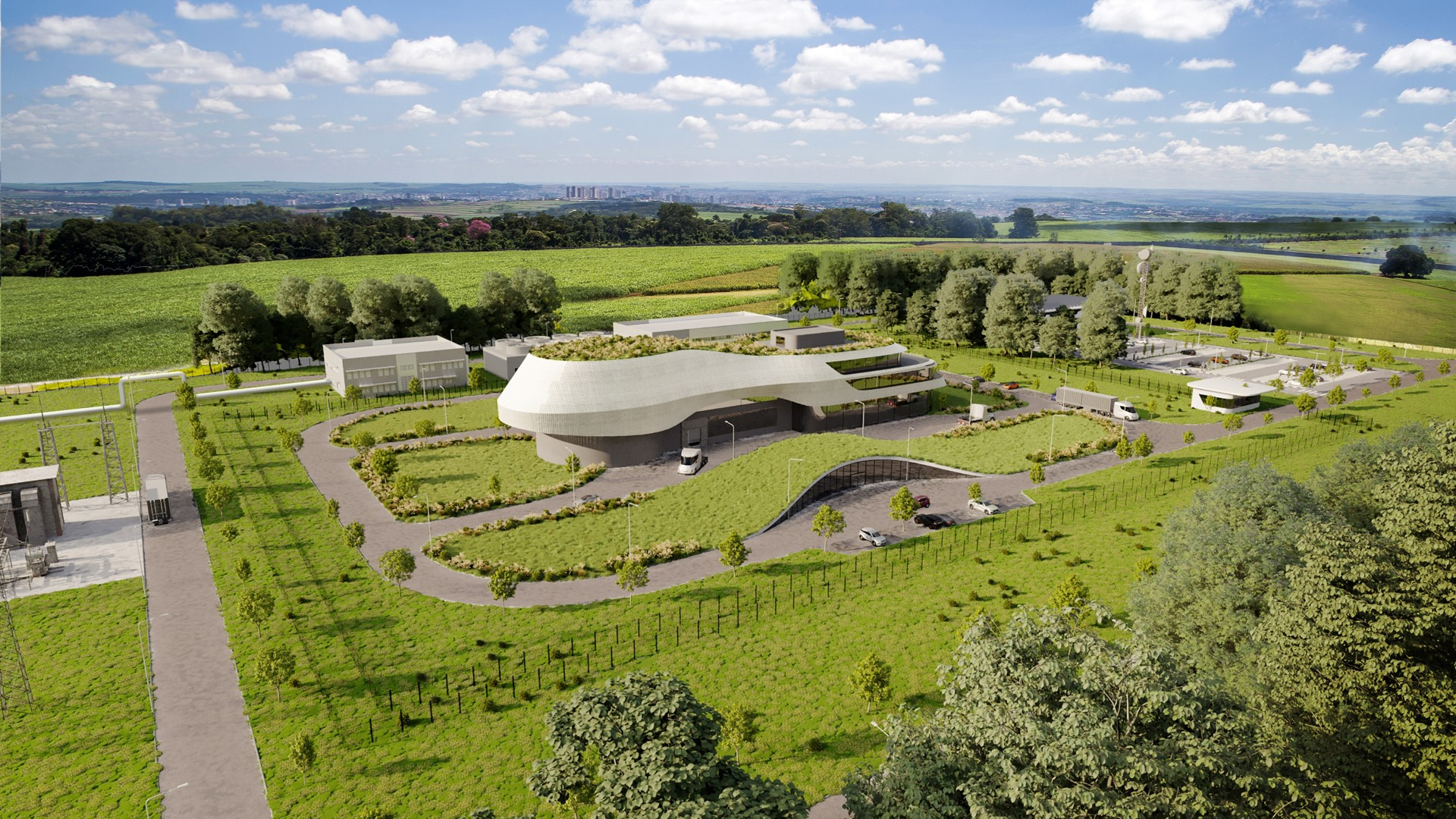
The proposal concerns a Rolls-Royce SMR with a planned electrical capacity of 470MW. Temelín, in southern Bohemia, is already an established nuclear generating site and is intended to host the first Czech installation of the British reactor design. The application represents progress in project preparation, not authorisation to begin construction.
The environmental review will examine potential effects on the local area and measures proposed to prevent or reduce them. The ministry will publish the submitted documentation, arrange an independent assessment and conduct public consultation as part of the process required before relevant decisions can be taken.
ČEZ says members of the public will be able to submit written comments within 30 days after the relevant notice appears on the South Bohemian Region’s official notice board. That consultation period does not necessarily begin on the date of the company’s announcement, so the deadline depends on the formal publication of the notice.
Water availability has been a particular focus of the documentation. Power stations require cooling systems to manage the heat not converted into electricity, and their design must account for both the quantity and the temperature of available water. Conditions can change during periods of drought or elevated summer temperatures.
ČEZ reports that studies undertaken so far indicate sufficient water should remain available for the proposed plant even after accounting for worsening drought conditions. The statement reflects the company’s assessment at the submission stage; it has not yet been endorsed through a completed independent environmental review.
The relevant engineering calculations depend on the proposed cooling arrangement, operating profile and local hydrological conditions. Water demand cannot be determined solely from a reactor’s nominal electrical output, because the overall thermal balance and methods used to reject heat also influence withdrawals and discharges.
Long-term assessment is needed because a nuclear power station is intended to operate for decades. Engineers must consider variations in seasonal water supply, extreme conditions and the effects of the installation on its surroundings. Environmental requirements may impose limits that affect how cooling and discharge systems are designed or operated.
The Rolls-Royce SMR uses pressurised water reactor technology. Heat produced in the reactor core is transferred by a primary coolant circuit to steam generators, where it creates steam in a separate circuit. The steam drives a turbine and generator, while the plant’s supporting systems manage heat transfer, electrical output and the operating conditions of the reactor.
The 470MW figure describes planned electrical generating capacity. It should not be presented as energy already being supplied to the Czech network, nor does it establish that the project has completed design assessment or obtained a nuclear site licence.
Rolls-Royce SMR intends to manufacture defined components and plant modules using standardised processes before they are transported for installation. Such an approach can transfer part of the manufacturing work into factories, where tooling, inspection and production conditions can be more consistent than those encountered on a construction site.
Standardisation cannot remove the need for site-specific engineering. Foundations, utilities, cooling arrangements, access roads and grid connections must still be developed for the actual location, while the regulatory process has to demonstrate that the complete plant meets the applicable Czech requirements.
The environmental filing follows an early works agreement signed by ČEZ and Rolls-Royce SMR earlier in 2026. That agreement supports preparation of design, technical and licensing documents for Temelín. ČEZ has stated that it does not cover equipment deliveries, a final investment decision or the start of construction.
A strategic partnership established in 2024 also gave ČEZ an equity stake of approximately 20% in Rolls-Royce SMR. The Czech company is therefore involved in development of the technology as well as its proposed domestic deployment, but equity ownership does not replace the authorisations required for individual projects.
Other potential Czech sites include Tušimice and Dětmarovice, with the partners outlining an ambition for as much as 3GW of Rolls-Royce SMR capacity nationally. Those locations are separate developments and have not reached the same environmental filing milestone merely because Temelín has submitted its documentation.
The proposed programme could also create work for Czech manufacturers. ČEZ has identified Škoda JS, a company within its group, as a selected supplier of control rod drive mechanisms for the Rolls-Royce SMR design. These components are involved in moving control rods used to regulate reactor power, and they require manufacturing quality and qualification appropriate to their nuclear safety functions.
An international component supply chain needs compatible specifications, production records and inspection arrangements across participating businesses. Repeat manufacturing may provide efficiencies if multiple units are ordered, but the suppliers must still qualify individual products and manage changes to approved designs and manufacturing procedures.
Rolls-Royce SMR is pursuing an initial UK project at Wylfa in north Wales. That development may support common design and manufacturing processes, although the British and Czech projects remain subject to their respective commercial arrangements, environmental reviews and nuclear regulatory decisions.
ČEZ has previously identified the mid-2030s as an intended period for the first Temelín SMR to enter service. That remains a planning objective, with the pace of development dependent on the environmental assessment, subsequent permits, financing and the delivery of engineering and construction work.
The next formal milestone is the ministry’s examination of the submission, including independent review and public participation. A completed environmental assessment would inform later decisions, but would not by itself authorise reactor construction or operation. The current filing establishes that the project has entered this stage of scrutiny, rather than that the proposed plant has been approved.