HellermannTyton has reported producing 38 different 3D-printed end-of-arm tools for industrial robots at its Wythenshawe factory in Manchester. The company says these tools have collectively completed tens of millions of production cycles in operations making cable ties and customised fixings. This is an update on a long-established additive manufacturing operation: a Stratasys Fortus 450 machine and its use for robot tooling were already documented in a SYS Systems case study published in 2021.
Supplied by SYS Systems, the Fortus 450 produces polymer components by depositing material in successive layers according to a digital model. HellermannTyton uses carbon-filled nylon 12 for tools fitted to robots that handle moulded components. A printed tool can integrate part-contact features and attachment geometry within its design, allowing the automation team to modify individual tooling models when the handled product or robot station changes.
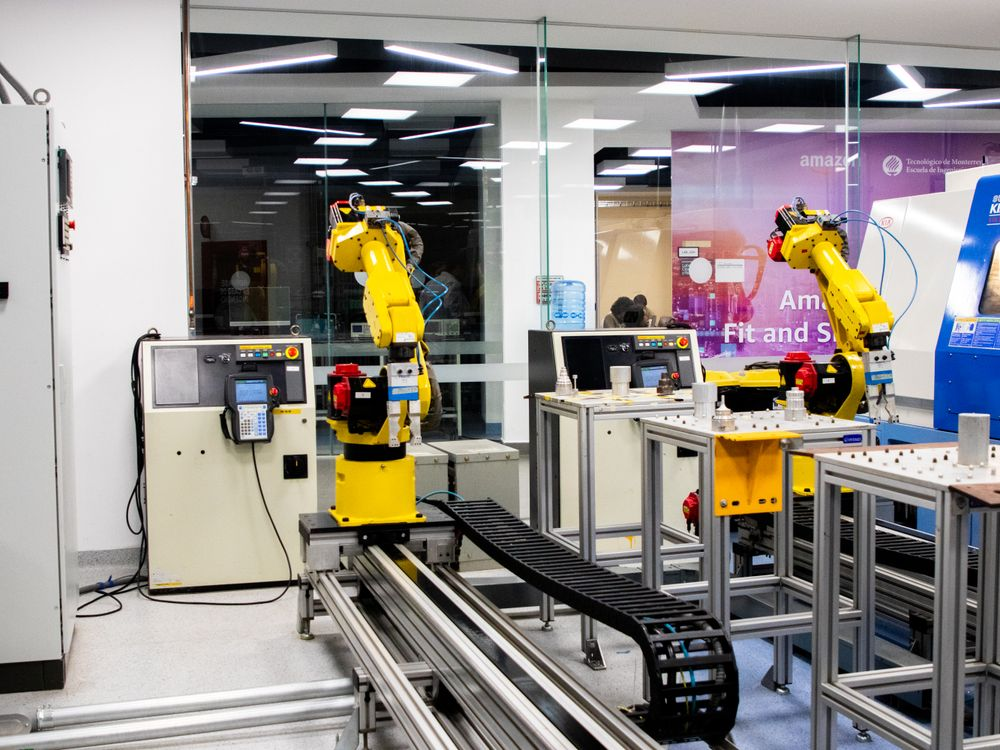
End effectors must repeatedly grip or position components as robots accelerate, change direction and release parts. Their mass and contact geometry influence loads on the robot and the way each component is held. HellermannTyton’s earlier trials therefore examined whether printed polymer parts would withstand repeated production cycles, particularly at the bonds between layers. In the 2021 case study, the company described an early tool that had completed almost 1.4 million cycles.
The latest total of 38 designs demonstrates wider use of the method across its operations, although individual service lives and loading conditions have not been specified. Different tools can accommodate different fixings and production stations, which limits what can be inferred from the combined cycle figure about the durability of any single design.
In its 2021 account, SYS Systems cited reductions of up to 50% in tooling weight and lead time, and up to 75% in cost, compared with previous metal tooling. Those figures were reported during the original adoption of the technology, not measured anew against the 38-tool population in October 2026. The newer announcement establishes the number of tools and aggregate production cycles, without a fresh like-for-like cost or lead-time study.
Bringing tooling production in-house also changed how modifications were made. Rather than sending a redesign to an external supplier for costing and manufacture, HellermannTyton’s automation team could alter a model and print a revised part for trial on its own equipment. One example in the 2021 case study involved a design change made in an afternoon, a print completed overnight and installation the next day; it remains an example from the earlier deployment, not a new result.
The October account identifies around 100 employees at Wythenshawe and points to potential tooling applications in sister operations in Morocco and South Africa, as well as downstream packaging equipment. It does not establish installations or cycle counts at those locations. At Wythenshawe, the 38-tool inventory and accumulated production use describe the continued development of an in-house process that had already been operating for at least five years.