Agnes Ragondet, group sustainability director at Hewland Engineering, explains how cutting waste and carbon can improve productivity and reduce energy costs.
For many manufacturers, sustainability has traditionally sat somewhere between corporate aspiration and regulatory obligation, often taking a backseat to the more immediate pressures of productivity, cost, quality and delivery. At Hewland Engineering, sustainability is not simply a cost of doing business or a “nice to do” activity. Our experience is that it can improve productivity, reduce waste, lower energy consumption and uncover commercial opportunities, ultimately making a business better at what it already does. What started as an effort to reduce our environmental impact has evolved into a wider review of how we design, manufacture and operate, with significant benefits across the business.
Over the past 12 months, we have reduced annual energy usage by 16%, cutting our carbon output by more than 64 tonnes. From an environmental perspective, these are meaningful figures, but in 2025/26, those improvements reduced our total energy bill by around £100,000 alone. For a manufacturer operating in an increasingly competitive global market, the commercial impact is equally important. So, how should a manufacturer begin its sustainability programme?
Start with the basics
It is tempting to think of sustainability as a separate programme requiring a completely new set of processes, technologies and expertise. Our experience challenges this assumption. The starting point was to look closely at the business and review how our machinery was operating, where energy was being consumed, how materials were being used and, crucially, where waste was being created. That led us to reassess almost every part of the organisation.
We introduced LED lighting, improved the way manufacturing operations were monitored and reduced our use of plastics by 75%, contributing to an overall reduction in packaging waste of more than 14%.
Our sustainability programme did not stop there. We began asking some fundamental questions: Why are we producing this waste? Can an operation be changed? Can a component be manufactured differently? Can complexity be removed before production even begins? This is where sustainability becomes an engineering challenge rather than simply an environmental one.
Design has a role to play
One of the biggest opportunities for carbon reduction lies in recognising that environmental performance is not determined solely on the factory floor, but much earlier in the manufacturing process. At Hewland, we are examining how design decisions affect material use, manufacturing complexity and production waste. Sustainability has therefore become part of the engineering conversation from the outset, rather than something considered after a component has been designed.
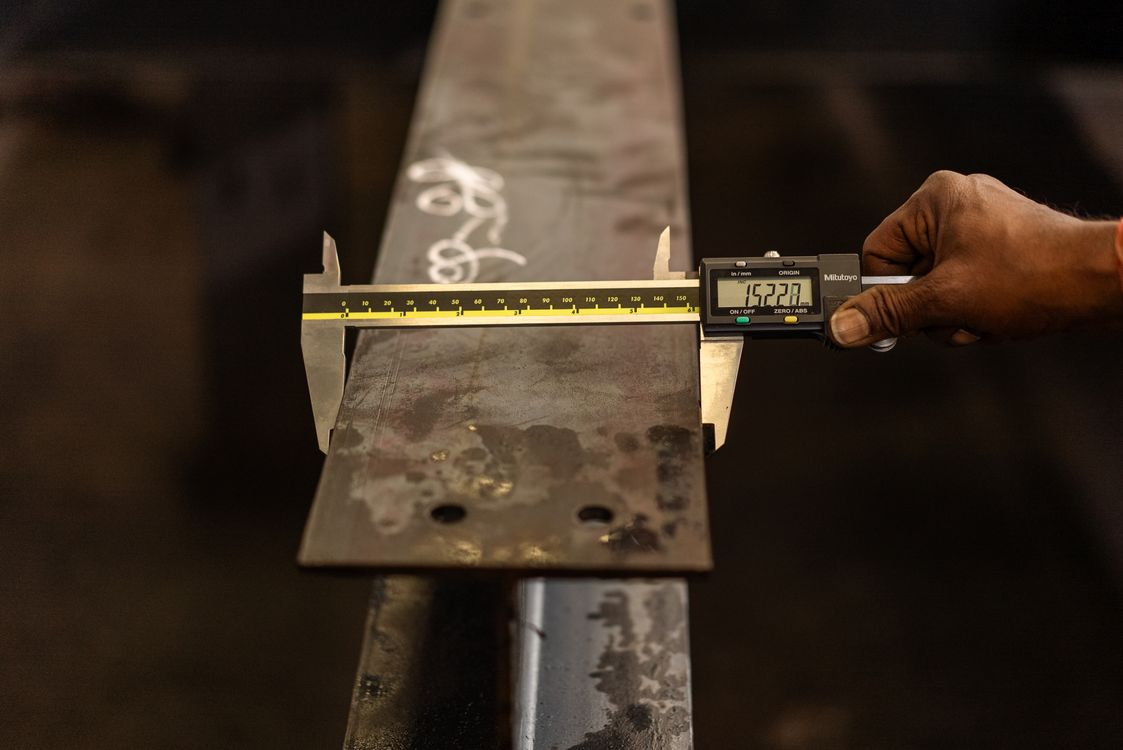
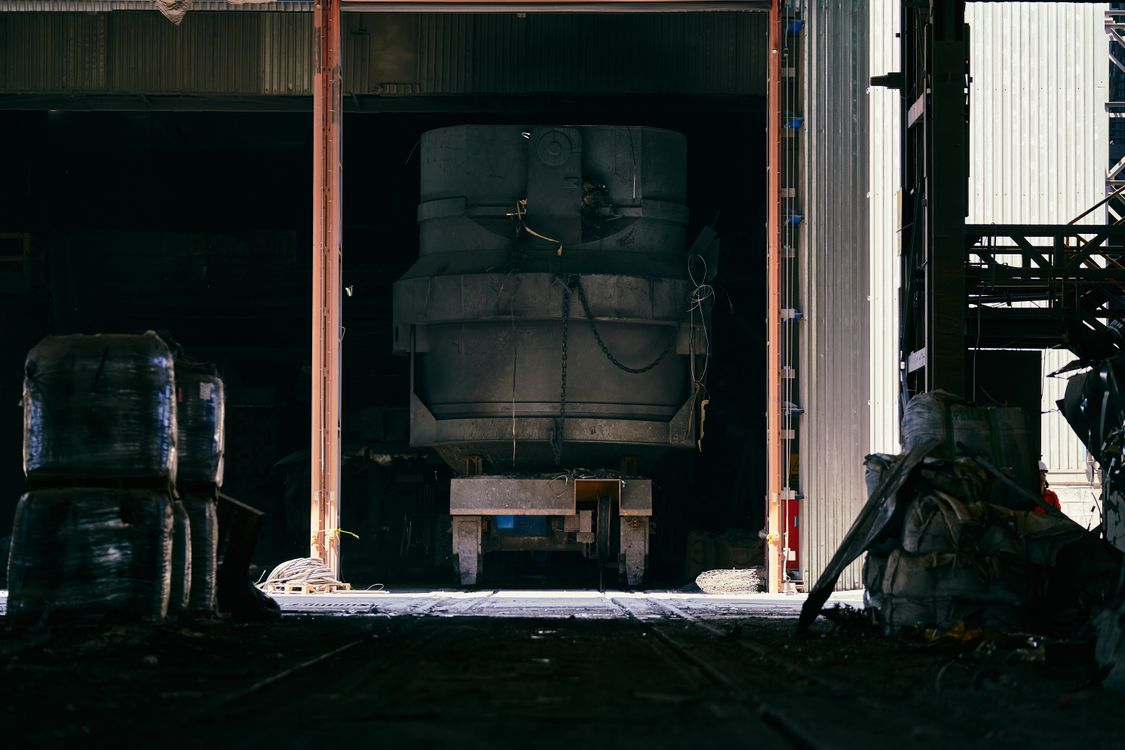
Take steel waste. In conventional machining operations, a substantial proportion of bought-in raw material ultimately becomes swarf, with around 38% of purchased steel traditionally lost during machining at Hewland. While recycling remains an important part of the solution, such losses represent both an environmental and engineering challenge. Our focus, therefore, has been not simply on recycling waste, but on finding ways to avoid creating it in the first place.
This principle extends beyond steel. The most effective sustainability programmes focus on eliminating waste at source, often delivering improvements in both productivity and material efficiency. Our teams have therefore looked at both design and manufacturing optimisation, reducing unnecessary complexity and examining machining processes to find ways of tangibly reducing the volume of wasted metal.
Lightweighting opportunities
Our sustainability journey began with a strong focus on motorsport. That is hardly surprising given Hewland’s heritage in Formula 1 and Formula 2 as well as touring cars, GT and endurance racing. Increasingly, our work on lightweighting is attracting interest from aerospace customers as the fundamental engineering challenge is similar. Reducing unnecessary mass can improve efficiency, reduce energy requirements and contribute to lower environmental impact.
We have discovered that sustainability can sometimes open doors into new markets. A programme initially developed to improve environmental performance can generate new engineering knowledge, new capabilities and new commercial opportunities. Manufacturers should not underestimate that potential.
“What gets measured gets done”
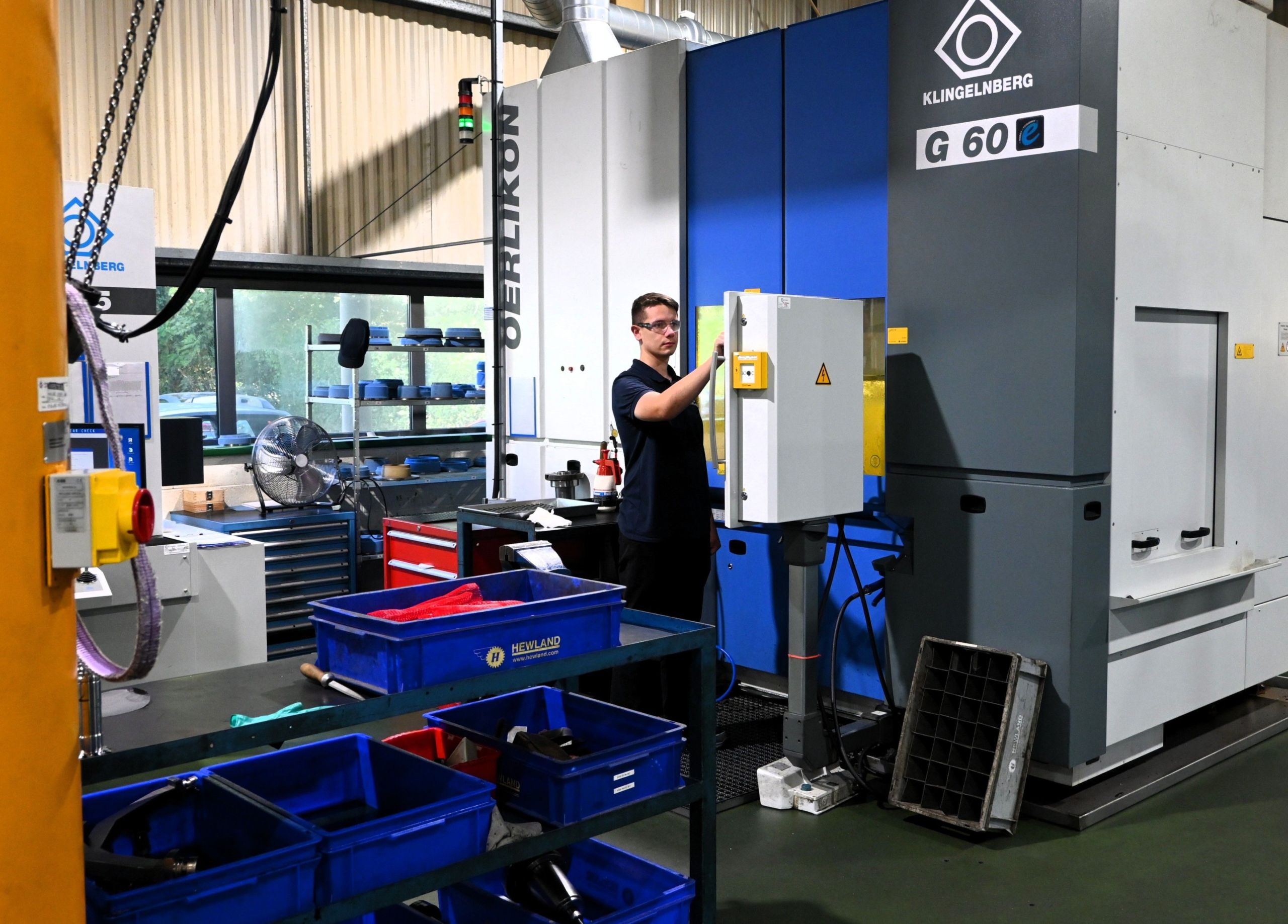
If there has been one factor underpinning our progress, it has been data. Data capture and machine monitoring have been fundamental to understanding where improvements can be made and whether the actions we were taking are actually working. Which machines are consuming the most energy? When are they consuming it? Are they operating efficiently? How much material is being wasted during particular processes?
These are all questions which have become part of our manufacturing vocabulary, and the answers provide the foundation for action. As part of our programme, Hewland has developed an online tool designed to help other manufacturers begin their own path towards carbon neutrality.
The aim is not to suggest that every company needs to follow exactly the same path as Hewland. Every manufacturing operation is different. But the principles are transferable: establish a baseline, capture the right information, identify the biggest opportunities and measure progress. The most important thing is to start with evidence rather than assumptions.
Leadership from the top
There is another lesson from our experience that is less technical but equally important. Sustainability programmes need active leadership. It is difficult to create meaningful change if responsibility is handed to one individual or department while the rest of the organisation continues as before. At Hewland, support from the senior management team and our parent company, Hero Motors, has been critical. That support gives the programme authority. More importantly, it makes clear that sustainability is connected to the future success of the business.
But leadership does not mean issuing instructions from the boardroom. The best ideas often come from the people who understand individual processes in greatest detail: engineers, machine operators, production teams and designers. Creating an environment where those people are encouraged to identify inefficiencies and suggest improvements is essential. Sustainability works best when it becomes everyone’s responsibility.
The opportunity for UK engineering
There is no escaping the environmental pressures facing manufacturing. Energy costs, carbon reduction targets, customer expectations and supply-chain requirements will continue to increase the pressure on UK industry to improve its sustainability performance. But perhaps we should stop viewing that entirely as a burden. Our experience at Hewland suggests that sustainability can be a powerful catalyst for better engineering.
The unexpected benefit of sustainability is that, when approached in the right way, it can make manufacturers leaner, smarter and more competitive. For companies wondering where to begin, the answer is simple: start by understanding your own operation. Measure what you use. Monitor your machinery. Identify where material and energy are being wasted. Review processes from the factory floor back to the design department. Involve your people. And make sure the commitment is visible from the top of the organisation.
There is no single technology that will make a manufacturer sustainable overnight. This is not a short-term, single-fix exercise. It is an ongoing process of improvement. But that may be the most encouraging lesson of all. Sustainability does not require manufacturers to stop doing what they do best. It can help them do it better.
This article first appeared in the Q3 2026 edition of Industrial News magazine. Click here to read the magazine.