King Yuan Electronics subsidiary AeternZ Semiconductor Testing is considering Fort Worth, Texas, for a semiconductor test facility involving around $1.3 billion of property and equipment investment, with the city due to consider an incentive package later in October.
Documents associated with the proposal indicate at least $1 billion would be invested in real property and another $300 million in equipment at a 23 acre site on West Everman Parkway if Fort Worth is selected. King Yuan’s board had previously approved investment of up to $1.4 billion in a US facility, although the company had not identified a location when that decision was announced.
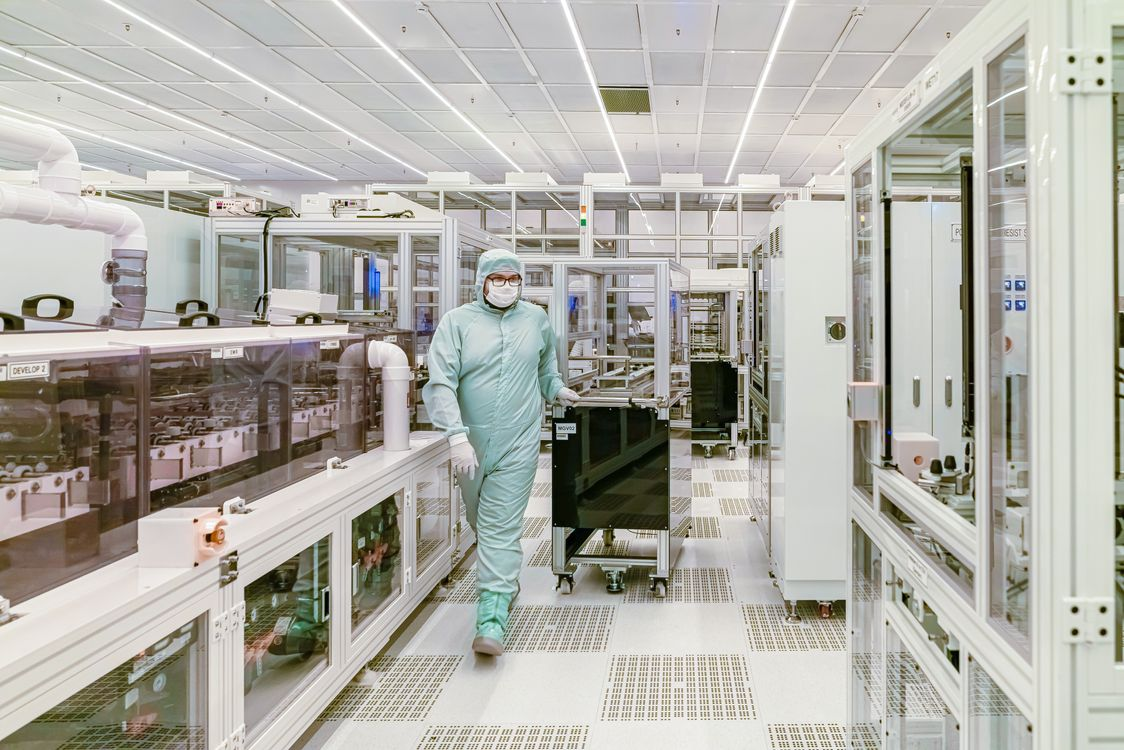
The proposed operation would sit at the back end of semiconductor production rather than manufacture wafers, with King Yuan specialising in wafer probing, final electrical test, burn in and system level testing. Those processes determine whether devices produced further upstream meet electrical, thermal and reliability requirements before they enter servers, vehicles, communications equipment or other products.
Wafer probing begins before individual dies are separated, using probe cards to make temporary electrical contact with pads or bumps on each device. Automated test equipment applies signals and measurements across the wafer so defective dies can be identified before additional cost is committed to packaging them.
As devices add more connections and consume more power, probing equipment has to manage increasing pin counts, finer contact spacing and tighter thermal control. King Yuan’s existing capability covers multiple wafer sizes and test temperatures, allowing manufacturers to examine how devices behave beyond normal room conditions before they move into later production stages.
After packaging, final electrical test checks the completed semiconductor again because assembly introduces new connections, materials and thermal interfaces that did not exist during wafer probe. Packages range from relatively simple devices to large advanced assemblies containing several dies and memory components, giving test equipment a wide range of power, frequency and interface requirements.
AI processors place particularly heavy demands on the test floor because large accelerator packages can consume substantial power and generate significant heat while the equipment is attempting to reproduce demanding operating conditions. Thermal control therefore becomes part of the test system itself rather than a background building service, with handlers and fixtures required to keep the device inside specified temperature limits while electrical measurements are taken.
System level testing goes further by exercising a semiconductor inside a platform or specialised environment that more closely resembles its eventual application. A device can pass conventional electrical tests while still showing problems when memory, interfaces, firmware and sustained workloads operate together, giving system level testing a role in screening complex processors before shipment.
King Yuan says its existing system level operations cover AI GPUs, ASICs and CPUs alongside networking, automotive and mobile devices. Supporting that mix requires different sockets, boards, thermal interfaces and software configurations, which makes configuration control as important as the physical test equipment when large numbers of products share the same factory.
Burn in provides another screening stage by operating devices under elevated electrical or thermal stress to identify failures likely to appear early in service. High power processors can require substantial cooling during that process, and King Yuan has developed automated handling and burn in equipment as semiconductor power density has increased.
The proposed $300 million equipment allocation in Fort Worth indicates a substantial test operation even without the lithography tools associated with a wafer fab. Automated test equipment, probe stations, handlers, burn in systems, clean production areas, electrical infrastructure and thermal management can absorb large amounts of capital before the facility processes its first commercial device.
King Yuan has already expanded its international test network during 2026, opening a Singapore facility with probe, final test, burn in and system level capabilities aimed at automotive, AI and other semiconductor products. A US site would extend that manufacturing footprint into another large customer market while reducing the distance between some chip designers and their final test operation.
Geographic proximity does not remove dependence on the wider semiconductor supply chain because wafers, packages, substrates and test hardware may still cross several countries before reaching the facility. It can, however, shorten selected logistics routes and give customers another qualified location when production is distributed across multiple regions.
Fort Worth’s immediate role remains the proposed tax abatement, with the city council expected to consider the package on 27 October. Approval would improve the economics of the Texas site but would not itself constitute a final manufacturing commitment from King Yuan.
The project therefore remains conditional, with no basis yet for treating construction or equipment installation as confirmed. AeternZ has identified a site and a sizeable proposed capital programme, while the next industrial milestone is a formal location decision that converts the Fort Worth option into an approved factory project.