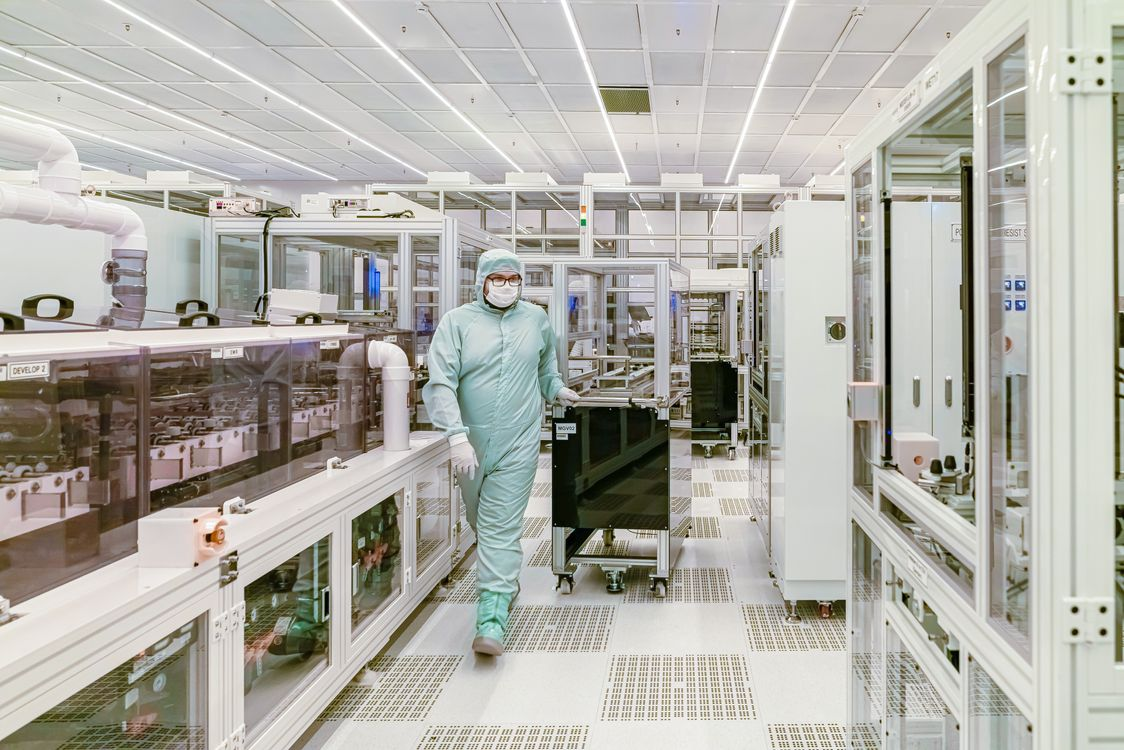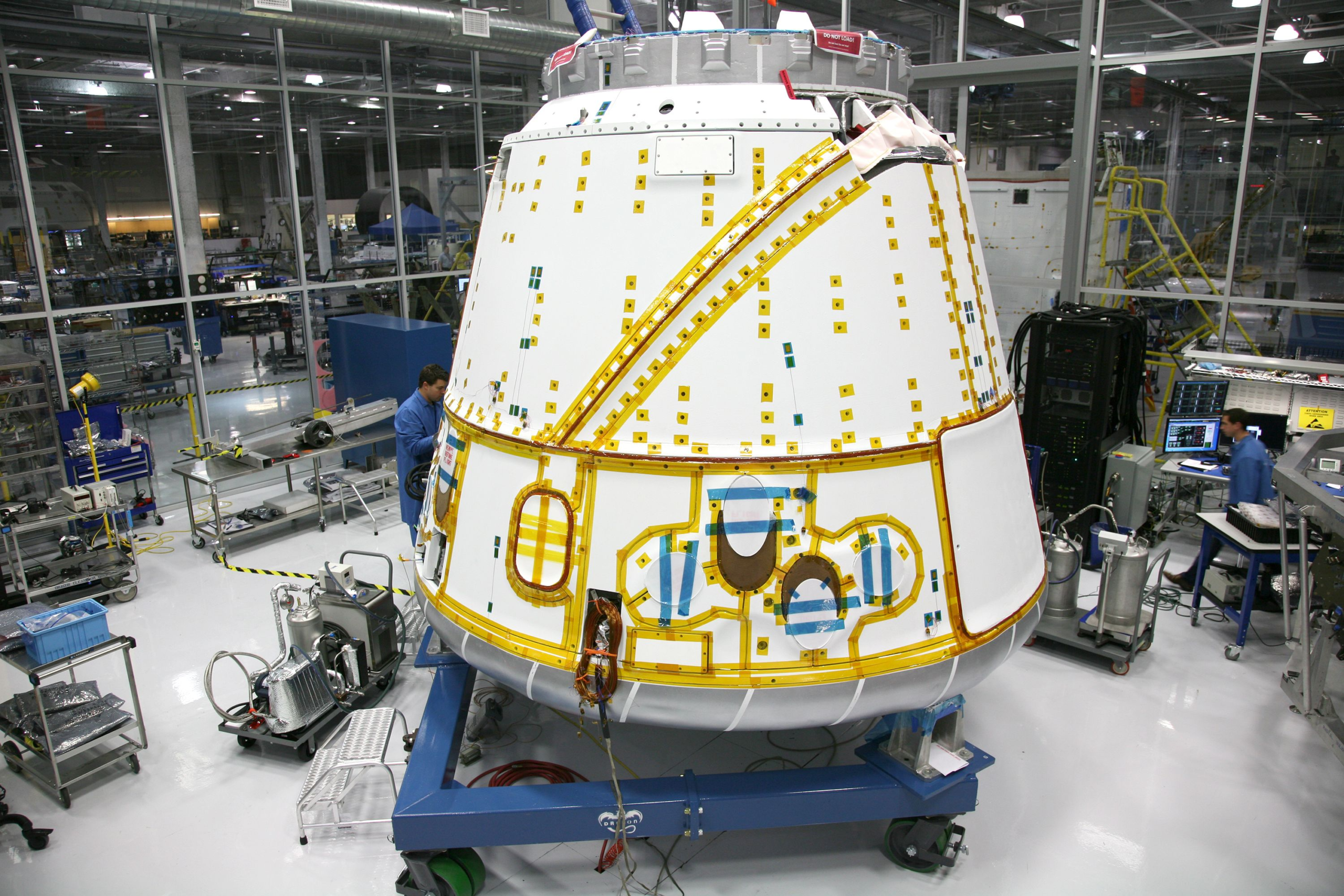
Spire Global has launched the first three satellites manufactured at its Boulder, Colorado facility, taking the company’s new US production operation from assembly and test into flight hardware serving defence and national security customers.
The spacecraft travelled aboard SpaceX’s Transporter-18 mission after development, manufacture, integration and testing in Boulder. Spire says its combined facilities in the US, UK and continental Europe can support annual production of around 300 to 400 satellites, with the Colorado site giving customers access to a domestic route from engineering through final test.
Flight provides a demanding qualification step for a new satellite production operation because completed hardware has to survive transport to the launch site, integration with the launch vehicle, intense vibration during ascent and the thermal conditions encountered after deployment. Unlike most manufactured products, a spacecraft cannot return to the factory for repair once it is operating in orbit.
Each satellite combines structural components, power systems, computers, radios, attitude control equipment and payload electronics within strict mass and volume limits, while those subsystems also have to operate as one electrical and thermal system. A payload that performs correctly by itself can still create problems after integration if its power demand, software behaviour, electromagnetic emissions or heat output conflict with the spacecraft platform.
Keeping design, assembly, integration and test within one organisation shortens the feedback route when those interactions appear. Engineers responsible for the recurring spacecraft platform can work directly with production and test teams, while problems discovered during environmental testing can be traced back into design or assembly before later units reach the same stage.
Spire has already used that model at its Glasgow operation, where satellites for customer and company missions have moved through internal manufacture, integration and test before launch. Boulder extends the approach into the US, allowing selected programmes to remain inside a domestic production environment from initial hardware work through flight preparation.
Domestic manufacture is particularly relevant to defence and national security contracts because the location of engineering and hardware handling can form part of the programme requirements. Keeping more activity inside the US reduces the number of international movements involving sensitive equipment, although components such as semiconductors, sensors, radios and solar cells still come from a much wider supply chain.
System integration is where those upstream dependencies converge because every component must work within the available electrical, mechanical and thermal limits. A radio can meet its own specification yet interfere with another subsystem, while a payload can remain within average power limits but create short peaks that exceed what the bus can supply during particular operating modes.
Environmental testing is used to expose those interactions before launch, with spacecraft subjected to vibration and thermal conditions intended to reproduce parts of the mission environment. Electrical checks continue alongside those tests so engineers can establish whether connectors, boards, sensors and software continue operating after mechanical and thermal stress.
Running assembly and test together also reduces transport between contractors, which lowers handling risk and makes failures easier to investigate while the spacecraft remains close to the team that built it. The benefit increases when a company is producing recurring platforms rather than one spacecraft at a time because fixes can be incorporated into later units quickly.
Capacity of 300 to 400 satellites a year requires more standardisation than conventional bespoke spacecraft engineering, since every unnecessary variation creates additional drawings, tooling, software configurations and test procedures. Spire’s manufacturing model therefore depends on repeating a common satellite bus while keeping defined interfaces available for different customer payloads.
The company’s Space as a Service model applies that approach to external missions, allowing customers to place sensors or communications payloads onto a platform that has already passed through repeated design and manufacturing cycles. Standardising the bus does not eliminate programme specific engineering, but it limits the number of subsystems that have to be redesigned for every mission.
The first Boulder units have now completed the manufacturing and launch stages, giving Spire an opportunity to compare their in-orbit behaviour with production and test data recorded on the ground. Any anomalies can feed back into later spacecraft, while normal operation provides evidence that the new factory can reproduce a platform already proven elsewhere in the company’s network.
Increasing cadence will place more pressure on configuration control as Boulder moves beyond its first three spacecraft. Production only scales cleanly when each unit is built to the correct hardware and software definition, changes are incorporated consistently and test results can be traced back to the precise configuration that entered the launch campaign.
The launch therefore establishes the first operational output from Spire’s US manufacturing base rather than completing its expansion. Boulder now has to turn three successful flight units into a repeatable production flow while maintaining the configuration discipline and environmental test coverage required when hundreds of satellites move through several factories each year.