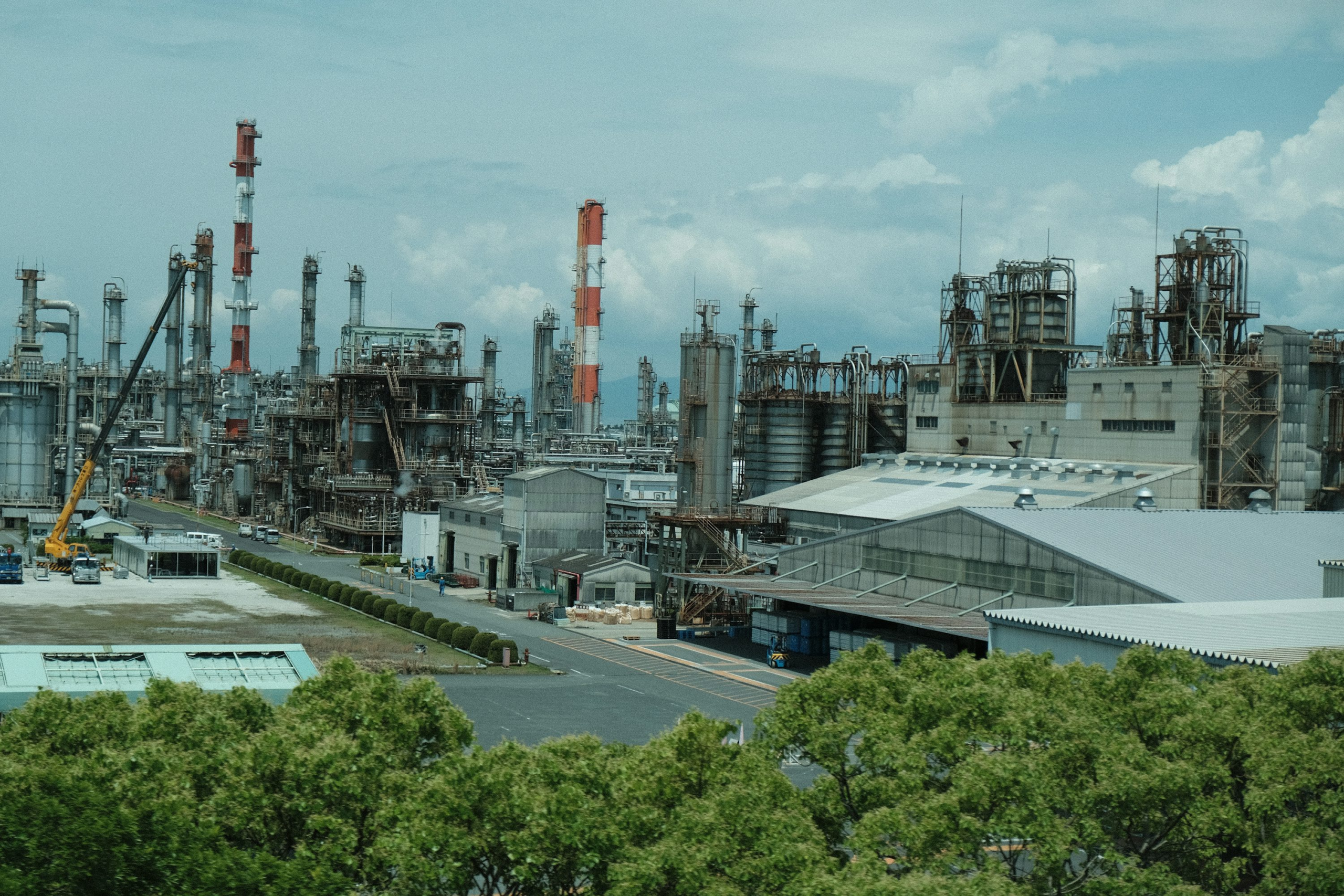
Avantium has produced the first batch of furandicarboxylic acid at its flagship plant in Delfzijl, moving the first commercial-scale FDCA facility from equipment commissioning into operational start-up and product qualification.
The milestone follows commissioning of the site’s major process units and provides the first opportunity to test Avantium’s production route as an integrated commercial operation rather than as separate equipment sections or pilot-scale chemistry. The company now intends to produce further batches, optimise operations, qualify material against customer specifications, and move progressively towards continuous production.
FDCA is the principal building block used by Avantium to produce polyethylene furanoate, or PEF, a plant-based polymer marketed under its releaf brand. Potential applications include bottles, packaging, films, fibres, and textiles, giving the Delfzijl plant a role both as a production asset and as the first full-scale industrial reference for customers considering the material.
The plant has a design capacity of 5,000 tonnes of FDCA annually. That is small beside conventional bulk petrochemical facilities, but Delfzijl has to prove whether a process developed through pilot operations can deliver repeatable yields, purity, equipment reliability, and product consistency under commercial conditions.
Producing a first batch demonstrates that feedstock can pass through the complete plant and emerge as FDCA, but it does not establish steady-state output. Operators still have to understand process stability, fouling, catalyst behaviour, heat and mass transfer, separation efficiency, purification loads, maintenance requirements, analytical control, and the effect of operating changes on final product quality.
Commissioning of the plant’s oxidation section was completed in August, when purification and integrated operation still remained before first production. The latest batch completes that next operating step and moves attention from individual units to the performance of the plant as a complete manufacturing system.
Customer qualification now becomes central. Downstream users need material that remains inside specification from batch to batch, while PEF production adds another stage in which FDCA is polymerised with mono-ethylene glycol before finished material is converted into packaging, fibres, or other products. Nominal output has limited commercial value until those downstream processes can rely on consistent feedstock.
Avantium expects commercial sales to begin towards the end of 2026, although full design capacity is not expected immediately. The company currently anticipates a ramp-up period of 12 to 24 months after plant start-up, reflecting the work required to stabilise a first-of-a-kind process rather than assuming nameplate output can be reached as soon as the first material leaves the plant.
That ramp-up will expose operating issues that pilot equipment cannot reproduce fully. Larger vessels and pipework change residence times and heat transfer, pumps and filters operate under different loads, and small variations in feedstock or process conditions can become more visible when material moves continuously through an integrated plant. Maintenance procedures and operator routines also have to develop around real production rather than commissioning activity.
Delfzijl has importance beyond the 5,000 tonnes that the plant itself can manufacture. Avantium intends to license its YXY process for larger future FDCA and PEF facilities, so prospective partners will be interested in operating data from the commercial plant. A working reference can provide evidence on equipment selection, uptime, energy consumption, maintenance, yield, quality, and scale-up assumptions that laboratory and pilot plants cannot provide.
That makes the start-up programme part production exercise and part technology validation. Reliable operation would strengthen the technical case for larger licensed plants, while prolonged instability would expose additional engineering work before the process can be replicated economically at greater capacity.
Feedstock and product logistics will also come under closer scrutiny as output grows. Continuous manufacturing requires regular delivery of raw materials, storage capacity, quality control, packaging or transfer systems for finished FDCA, and coordination with customers qualifying material. Those routines are less visible than the core chemistry but become increasingly important once production moves beyond demonstration batches.
Product qualification will run in parallel with that operating work. Customers testing PEF need enough representative material to evaluate processing behaviour, mechanical performance, barrier properties, recycling routes, and compatibility with existing converting equipment. A chemically successful batch therefore has to be followed by enough repeat production to support qualification outside Avantium’s own plant.
The first batch closes one technical risk while leaving the commercial start-up programme ahead. Continuous production, repeatable customer specification, and a controlled ramp towards the 5,000-tonne design capacity will provide the more meaningful evidence that Delfzijl has moved from commissioning into dependable manufacturing.