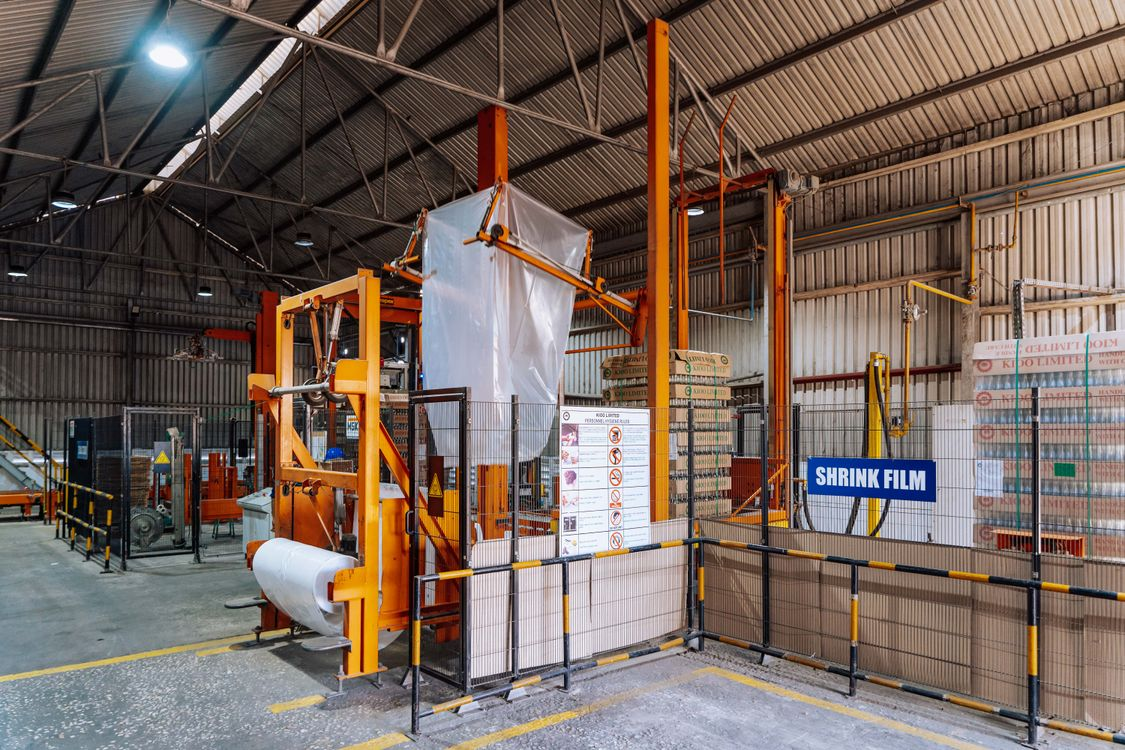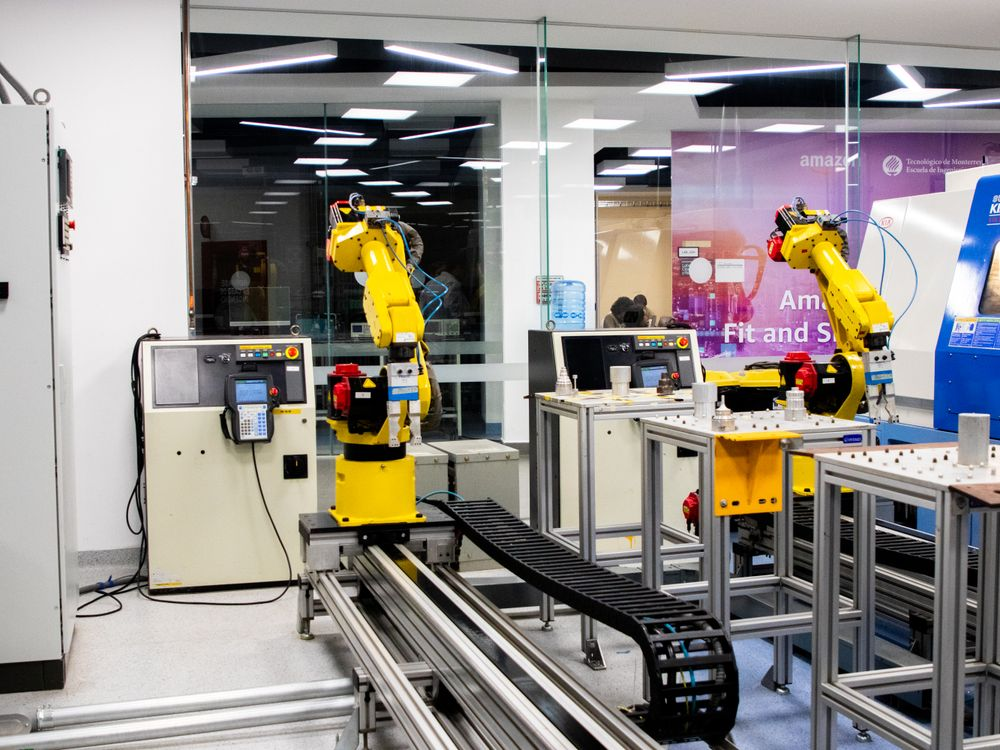
Barclays says UK manufacturers are extending investment and sourcing horizons while increasing their use of automation to manage volatile demand, supply disruption and persistent cost pressure. Its latest Business Prosperity Index research found that 87% of manufacturing leaders are using automation across robotics, operations or storage, while 94% expect their own business to prosper over the next 12 months.
The confidence sits alongside a more difficult operating picture. Some 89% of respondents said energy costs were constraining growth or investment to some extent, and 76% said they were making major investment, sourcing and supply-chain decisions further ahead than a year ago. Manufacturers expect to increase spending by an average of 32% over the next 12 months, while 66% said they had borrowed to fund investment during the past year.
The survey covered 504 manufacturing decision-makers between 14 and 24 August 2026 across sectors including aerospace and defence, automotive, engineering, industrial equipment, electronics, chemicals, food and drink, construction materials and energy. The results therefore capture a broad industrial base rather than the conditions facing a single manufacturing segment.
Automation is being used as an operational buffer as well as a productivity tool. Barclays found that 23% of respondents associated it with improved order fulfilment and delivery performance, another 23% cited better forecasting and decision-making through data insights, and 22% pointed to stronger supply-chain resilience. Investment is consequently spreading beyond individual production cells into planning, storage and logistics, where disruption can affect output just as quickly as a machine failure.
The next investment cycle is also becoming more software-intensive. Over the coming three to five years, 27% of respondents plan to invest in agentic AI or AI-led planning, forecasting and decision-making systems, while 25% expect to spend on cybersecurity and operational resilience technologies. A further 22% plan investment in logistics automation.
Those percentages describe stated intentions rather than committed capital expenditure, but they indicate where manufacturers expect the next layer of operational flexibility to come from. Automation projects are increasingly being linked with data, inventory and resilience rather than justified only through direct labour substitution.
Barclays’ anonymised client data adds a financial distinction to the survey results. The bank analysed around 30,000 UK manufacturing businesses and compared the second quarter of 2026 with the same period in 2025. Among larger manufacturers served by Barclays UK Corporate Bank, cash inflows fell by 3.5% year on year while loan balances rose by 12.8%.
Among SME manufacturers served by Barclays Business Banking, cash inflows increased by 1.4%, but average loan balances fell by 17.7% even though the number of loans rose by 1.1%. Savings balances increased by 1.1%. The figures point to different financing behaviour across the two groups, with larger manufacturers carrying more borrowing while smaller businesses preserve greater balance-sheet flexibility.
That difference becomes important when automation programmes demand capital before productivity, throughput or reliability gains are realised. Larger manufacturers generally have more capacity to finance robotics, storage systems, software and supporting infrastructure as part of a longer investment plan. Smaller operations may face the same pressures to automate without the same ability to absorb implementation cost or temporary disruption.
Manufacturers are also changing how they hold physical inventory. Thirteen per cent of respondents said they had increased on-site storage or were carrying additional buffer stock, while 10% were actively expanding storage capacity. Higher production volumes were the most frequently cited reason for additional storage at 22%, followed by geopolitical supply-chain uncertainty and increased customer stockpiling, both at 19%.
The data suggests that resilience strategies are becoming more capital-intensive. Automation reduces some forms of operational exposure, while additional inventory and storage provide protection against late or uncertain supply. Both require manufacturers to commit money earlier rather than relying on short-term purchasing and production responses once disruption appears.
Defence and critical infrastructure are also becoming a larger part of the demand picture. Seventy-seven per cent of respondents said they viewed working with the defence sector more positively than a year earlier, while 72% reported increased demand from defence and security customers. Over the next three to five years, 27% plan to develop or sell defence-related products and the same proportion are targeting dual-use products.
Barclays also found that 81% had made changes intended to support defence, national security or critical-infrastructure opportunities. Those changes can require longer qualification cycles, tighter supply-chain controls and additional investment in systems and capacity, reinforcing the trend towards decisions being taken further ahead.
Official output data remains less uniform than the confidence figures. Manufacturing output grew by 0.5% in the three months to July 2026, according to the Office for National Statistics, even as total production fell by 0.5%. July itself produced a 0.9% monthly increase in manufacturing, led by electronics and pharmaceuticals.
The combined picture is one of manufacturers building more protection into their operating models rather than waiting for uncertainty to disappear. Longer planning horizons, automation, additional stock and greater borrowing among larger businesses all require capital, but they reduce dependence on rapid responses once disruption reaches the factory. The uneven access to that capital is likely to determine how widely those resilience measures can be adopted across the UK manufacturing base.