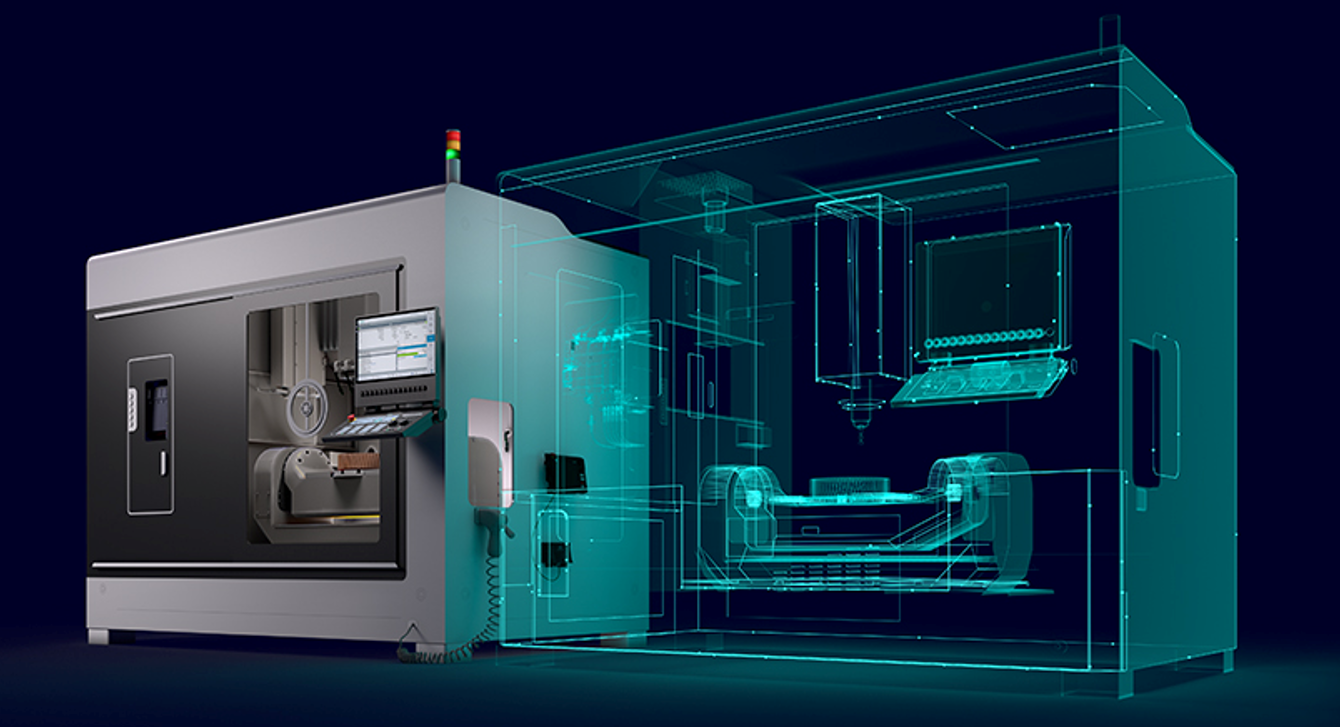
Econ Engineering has commissioned a £1.1 million high-power laser cutting system at its Ripon factory, expanding the in-house fabrication capability used to manufacture winter-maintenance and specialist highways vehicles.
The Bystronic ByStar 6225 is equipped with a 12kW laser source and has completed installation and commissioning at the North Yorkshire site. Econ says the machine will cut components faster, process a broader range of materials and allow more work to remain inside its own production operation.
The investment sits near the front of a manufacturing process that includes forming, welding, assembly, painting and final vehicle integration. Econ produces gritters, snowploughs, hotboxes and other specialist highway-maintenance equipment, meaning a large proportion of the structures moving through the factory begin as sheet or plate that has to be cut accurately before later fabrication begins.
Increasing cutting speed can therefore influence much more than the utilisation of one machine. If the laser can supply parts more quickly and reduce queues ahead of bending and welding, downstream workstations can be scheduled with greater flexibility and urgent components can be produced without waiting for an outsourced supplier.
The new system also expands the material and thickness range available internally. Specialist vehicles combine different steels and fabricated components according to structural load, corrosion exposure and customer specification, so broader cutting capability can reduce the number of jobs that have to leave the factory simply because they fall outside an existing machine’s operating envelope.
Mixed-gas cutting provides another process option. Different assist-gas combinations can alter cutting speed, edge condition and subsequent fabrication requirements, giving production engineers more control over the trade-off between throughput and finish for different materials.
The practical gain will depend on the rest of the factory. A 12kW laser capable of producing substantially more parts creates little value if bending, welding or assembly immediately becomes the new bottleneck. Production planning therefore has to absorb the additional cutting capacity rather than simply allow work-in-progress to accumulate between departments.
Econ’s manufacturing model makes flexibility particularly useful. Winter-maintenance vehicles are not one standard product built in continuous high-volume production. Customers specify different chassis, body capacities, spreading systems, plough arrangements, controls and ancillary equipment, creating a mix of repeat parts and lower-volume fabricated components.
Keeping more of those parts in-house shortens the feedback loop between design and production. If an engineering change is required during a vehicle programme, updated cutting data can be sent directly to internal equipment rather than waiting for another supplier’s production window, transport and minimum-order requirements.
The company has invested in laser cutting before. Its Ripon operation installed a Bystronic ByStar Fibre 6225 in 2020 as part of a wider programme to increase throughput and reduce the environmental impact of fabrication. The latest £1.1 million machine therefore adds to an established in-house cutting capability rather than introducing laser processing for the first time.
That earlier investment also illustrates how rapidly the technology has moved. Higher available laser powers and improved process control now allow thicker material to be processed at greater speed, creating a case for further capital expenditure even where a factory already owns relatively modern fibre equipment.
Econ’s production requirements are tied closely to seasonal delivery cycles. Local authorities and contractors need winter-maintenance equipment available before colder weather begins, which creates a factory schedule in which missed delivery dates cannot easily be recovered by pushing work several months into the future.
Manufacturing control is therefore strategically useful. Fabricated components that can be produced internally are less exposed to subcontractor lead times during peak production periods, while extra machine capacity gives planners more room to respond to late changes in customer specifications.
The Ripon factory has manufactured specialist road-maintenance equipment for decades and remains central to Econ’s wider operation, which also includes vehicle hire, parts and service activities. Manufacturing equipment therefore supports both direct sales and the company’s own fleet requirements over the operating life of the vehicles.
Through-life support creates another reason to retain fabrication capability. Specialist vehicles may require replacement panels, structural sections or modified parts years after their initial build. Access to design data and flexible laser cutting gives the manufacturer a route to reproduce those components without keeping every possible fabricated spare in inventory.
The £1.1 million investment is now installed, so its value can be measured against factory performance rather than specification sheets. Faster cutting, a wider material range and greater in-house control should shorten fabrication lead times; whether they increase completed vehicle output will depend on how effectively Econ balances the added capacity through the rest of the production process.