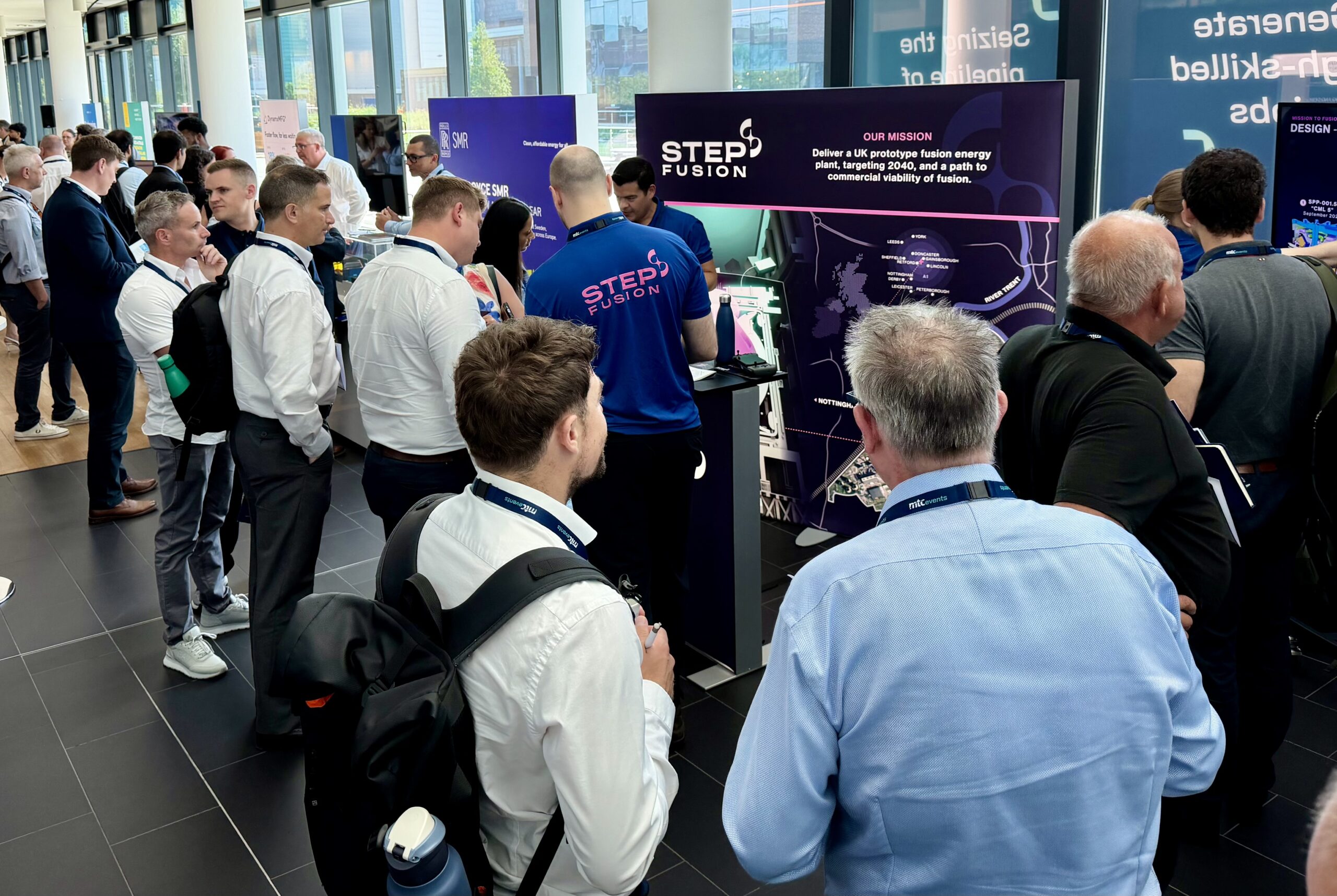
UK Fusion Energy has joined the Manufacturing Technology Centre as a Tier 1 member and created a new research and development contracting route for STEP Fusion, giving the prototype power-plant programme direct access to advanced manufacturing capability across the MTC and the wider High Value Manufacturing Catapult.
UK Fusion Energy expects to spend up to £10 million through the arrangement. The work can cover advanced manufacturing, joining, materials processing, automation, digital engineering, metrology and non-destructive testing, all of which sit between STEP’s evolving plant design and the practical problem of producing components and systems that can be manufactured, inspected and qualified at scale.
Tier 1 membership gives UK Fusion Energy representation on the MTC’s Programme Board and Technology Advisory Board, alongside access to the centre’s Core Research Programme, facilities, research outputs and industrial network. The separate contract vehicle is intended to make it easier for STEP teams to commission development work against specific manufacturing challenges without creating a new procurement route for every individual activity.
The arrangement arrives as six strategic partner opportunities move towards procurement. They cover systems engineering and whole-plant integration, fusion plant controls, test operations, the fuel cycle, breeder blankets and an Employer’s Engineering Resource Framework. UK Fusion Energy says consortia are already forming around some of the packages after industry engagement earlier this year.
Dan Bishop, chief commercial officer at UK Fusion Energy, said: “Our agreement with the MTC gives us access to specialist expertise, facilities and a wider manufacturing network, while the six opportunities now progressing towards procurement create clear routes for industry to get involved.”
The manufacturing challenge is unusually broad. A fusion plant combines superconducting magnets, high-integrity structures, vacuum systems, remote maintenance, fuel-cycle equipment, heating technology, diagnostics, controls, power systems and materials exposed to demanding thermal and radiation conditions. Many individual techniques exist today, but they have not necessarily been qualified for the geometries, duty cycles and production requirements expected in a commercial-scale fusion plant.
STEP’s industrial model depends on resolving those questions before large procurement packages are frozen. UK Fusion Energy is acting as the programme’s systems integrator, with industrial partners taking responsibility for significant subsystems and engineering packages rather than the organisation attempting to manufacture every part internally.
That places manufacturability beside physics and systems design much earlier in the programme. A technically attractive component can create substantial downstream difficulty if it relies on joining methods that cannot be inspected, tolerances that cannot be held on large structures or materials that cannot be sourced and processed consistently. The MTC route gives engineers access to facilities where those constraints can be tested before they are embedded in final plant architecture.
Recent high-temperature superconducting magnet testing provides one example of the engineering evidence feeding into STEP. Tokamak Energy’s Demo4 programme accumulated operating data under high field, high current, cryogenic and mechanical loading conditions. Translating technology of that kind into a power plant adds another set of questions around repeat manufacture, assembly, inspection, repair and supply-chain capacity.
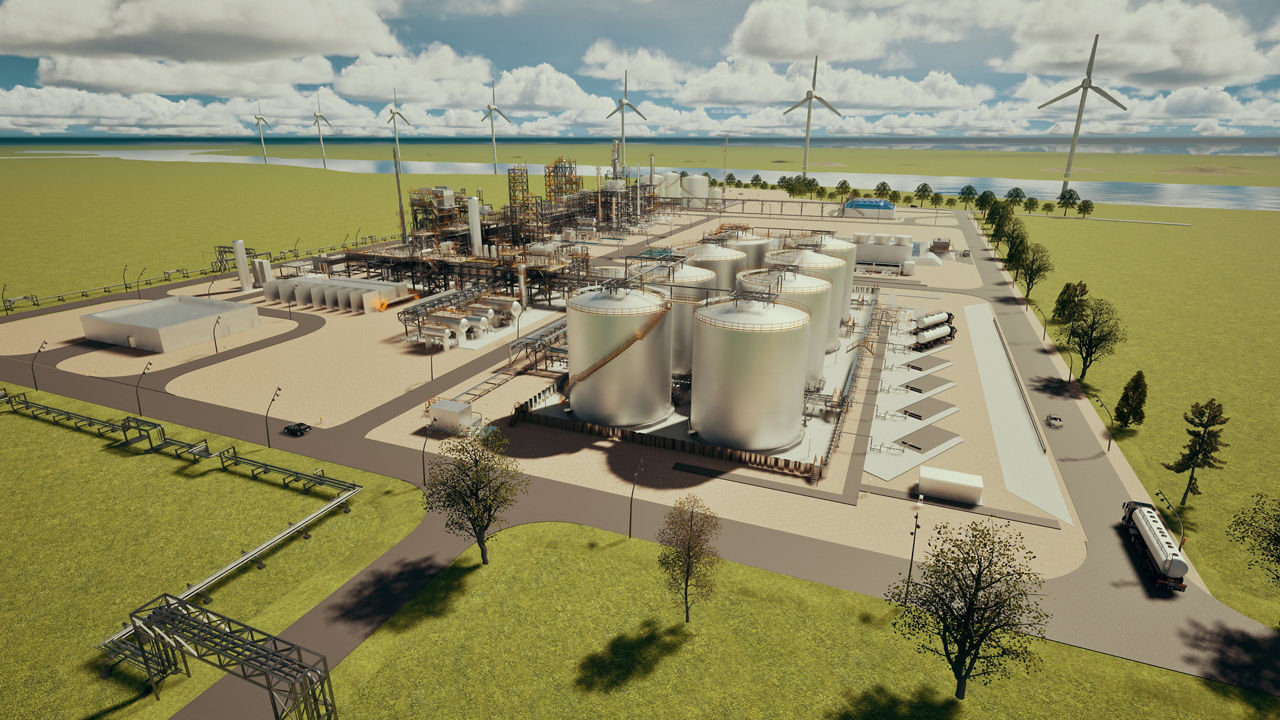
The UK Fusion Strategy sets STEP within a wider programme to build domestic fusion capability, with the prototype plant planned for West Burton in Nottinghamshire. Government has committed £1.3 billion to the next phase and expects UK Fusion Energy to establish strategic relationships with critical suppliers as the design matures.
A fusion investment prospectus published on 14 September identifies future opportunities across high-temperature superconducting magnets, gyrotrons, neutral beam systems, remote maintenance and robotics, diagnostics, fuel-cycle equipment and specialist materials. Several of those markets remain too small or immature to support dedicated industrial capacity without a visible programme pipeline.
The £10 million MTC route is modest beside the eventual cost of a prototype power plant, but R&D spending at this stage can determine whether larger commitments are made against credible production processes. Metrology and non-destructive testing are particularly important where components may be difficult to access after installation and where defects in specialised joints or structures could have disproportionate consequences.
The same applies to automation. Future fusion hardware may be too large, too precise or too hazardous for production and maintenance models based heavily on manual intervention. Developing automated fabrication and inspection methods alongside the component design can reduce the risk of discovering late in the programme that a nominally complete design cannot be produced economically or maintained within the required outage period.
UK Fusion Energy’s current schedule aims to develop STEP through the 2030s, with the prototype intended to begin operations around 2040. That horizon gives the programme time to mature manufacturing methods, but it also means supplier investment has to be sustained through long development cycles before major production volumes appear.
The MTC membership and contracting route create a bridge between those timelines. STEP gains access to equipment and manufacturing expertise without having to own every development facility, while suppliers gain clearer sight of the processes likely to be demanded later. The six forthcoming strategic opportunities will put larger industrial packages behind that approach; the immediate £10 million route is intended to make sure the underlying manufacturing methods are ready when those packages move from design into hardware.