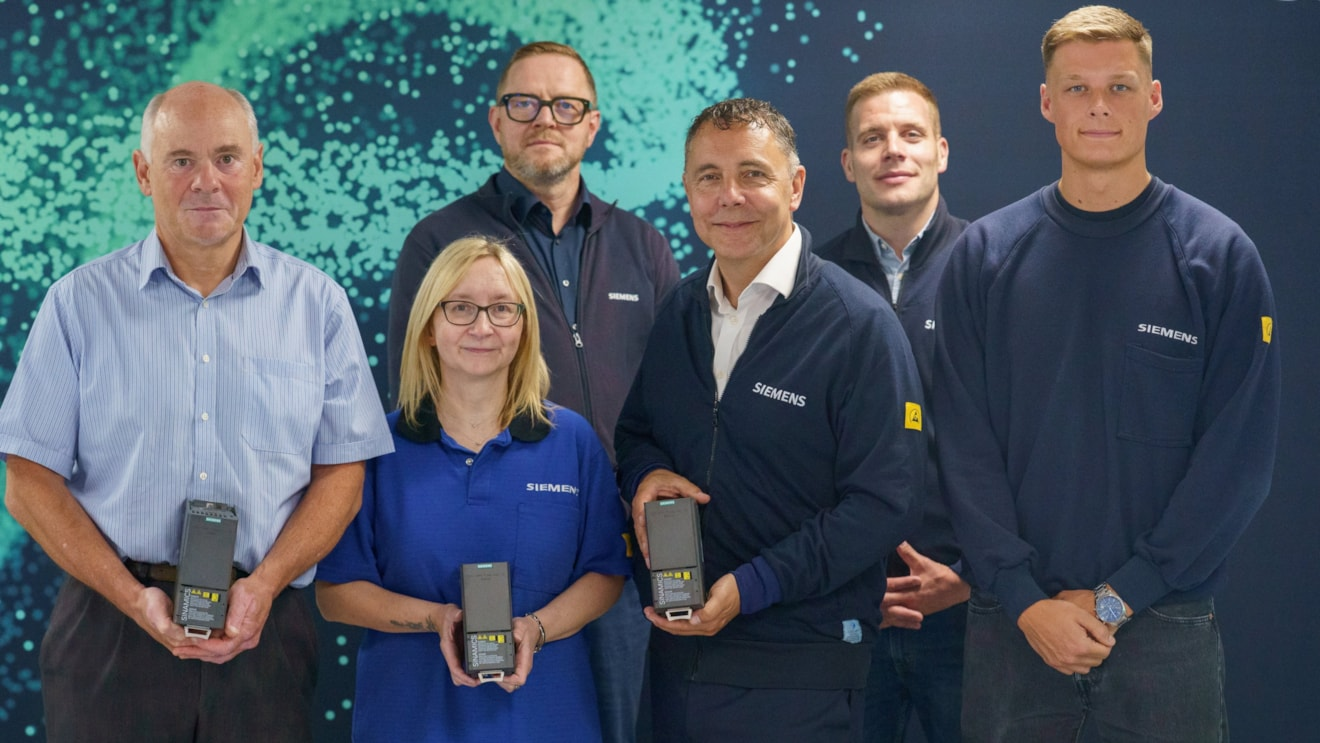
Siemens has produced the ten-millionth Sinamics variable-speed drive at its Congleton factory in Cheshire, marking two decades of production alongside a substantial increase in daily output.
The plant employs around 500 people and now manufactures almost 2,400 Sinamics products each day, compared with approximately 650 in 2006. Siemens attributes the increase to sustained investment in automation, digitalisation, industrial artificial intelligence, and workforce skills.
Sinamics drives regulate the speed and torque of electric motors in applications ranging from heating and ventilation systems to airport baggage handling and industrial machinery. Variable-speed control allows motors to respond more closely to process demand rather than operating continuously at full speed.
For pumps, fans, conveyors, compressors, machine tools, and production equipment, that control can reduce energy use and mechanical stress while giving automation systems finer authority over acceleration, flow, pressure, positioning, and throughput.
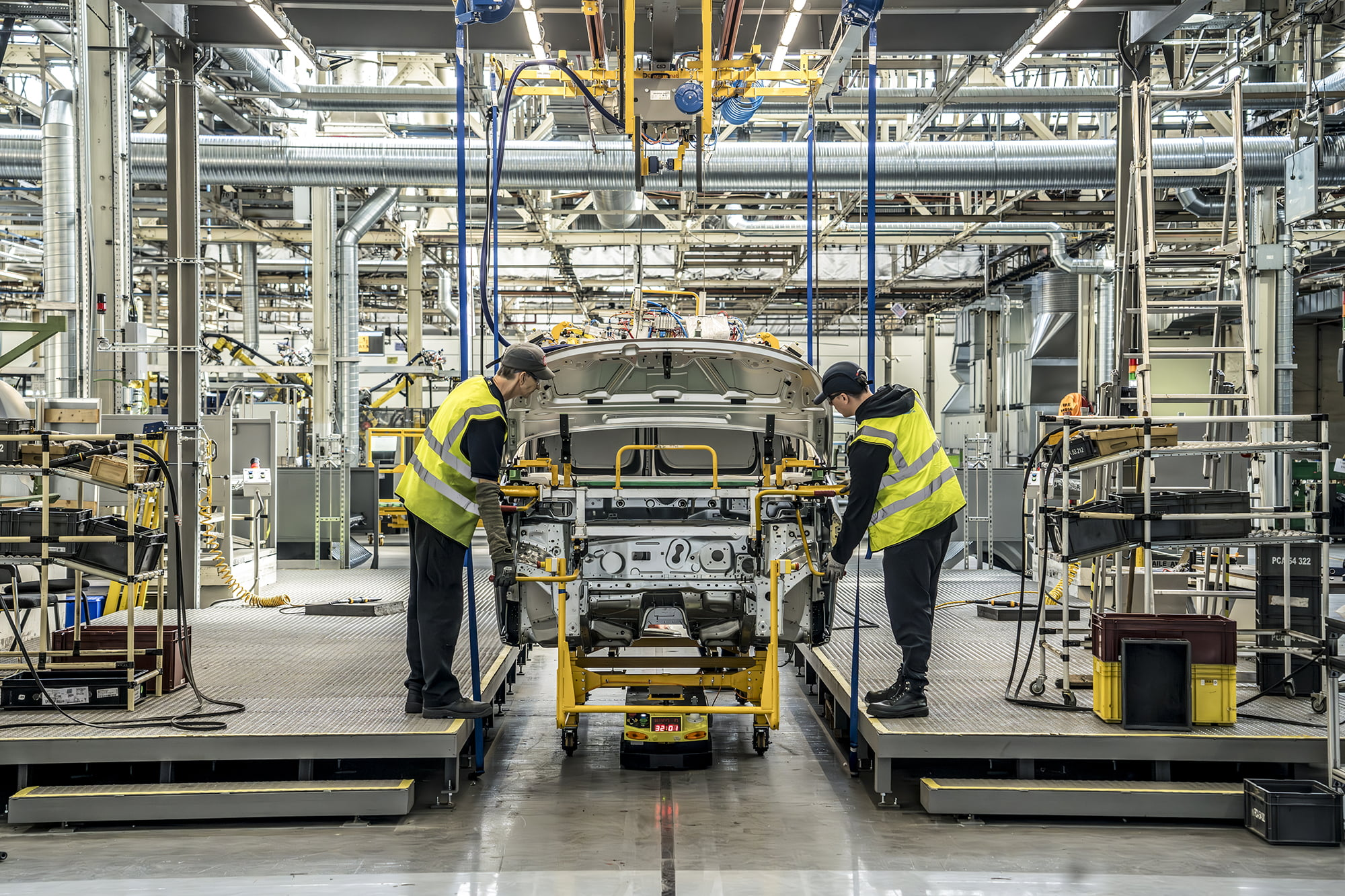
Congleton’s production figures also show how an established factory can increase useful output without treating automation as a one-off equipment project. Siemens has progressively added real-time monitoring, predictive fault detection, connected production systems, and digital tools intended to reduce interruptions around the manufacturing process.
The distinction between cycle time and factory productivity is important. A machine can complete an individual operation quickly while spending too much of the shift waiting for material, tooling, maintenance, inspection, or the next production order. Digital production systems increasingly target those losses between cycles rather than concentrating solely on making the machine itself faster.
The comparison over two decades is unusually long for a factory productivity figure. Moving from around 650 units to almost 2,400 each day represents close to a fourfold increase in daily production, while the plant has continued to manufacture industrial control equipment whose lifecycle extends well beyond the consumer-electronics timescales often associated with digital technology.
Siemens has not presented Congleton as an unmanned factory. Its account places workforce capability alongside automation and industrial AI, with technical skills remaining central to maintaining equipment, interpreting process information, introducing products, and dealing with the exceptions that automated systems cannot resolve reliably.
Predictive maintenance illustrates the relationship. Software can identify a changing vibration signature or abnormal equipment behaviour before a breakdown occurs, but the factory still needs people able to judge whether the warning is meaningful, determine the necessary intervention, obtain parts, and schedule the repair without creating a larger production problem.
The same principle applies to production planning. Connected systems can identify bottlenecks and expose unused capacity, but output improves only when the information changes decisions on the factory floor.
Siemens is reorganising its wider industrial business around closer links between automation, software, and service. The company is combining factory automation, process automation, motion control, and customer services into a single Automation organisation, reinforcing the connection between physical equipment and the digital systems used to operate it.
Congleton sits directly inside that convergence. The factory manufactures drive technology while using connected production systems to improve the way those products are made, creating an internal test environment for technologies Siemens also sells to industrial customers.
The economics are increasingly relevant to UK manufacturing. Energy costs, skills shortages, capital intensity, and international competition leave factories with little room for persistent downtime or badly balanced lines. Raising output from existing floorspace and installed machinery can postpone the need for expensive additional capacity, although high utilisation increases the cost of an extended equipment failure.
Industrial electrical equipment also brings long product and service lifecycles. Drive platforms evolve, electronics change, and software improves, but installed production systems need support over periods measured in decades. Manufacturers must therefore balance new-product introduction with continuity, serviceability, qualification, and repeatable manufacturing of established equipment.
The ten-millionth drive provides a useful milestone, but the factory’s continuing performance will be visible in less ceremonial measures: output per employee, first-pass yield, energy consumed per product, unplanned downtime, and the proportion of maintenance interventions completed before failure.
Congleton’s two-decade productivity increase suggests that the useful gains from automation have come through repeated changes rather than a single transformation programme. Keeping that trajectory moving as the plant becomes more automated will depend on whether increasingly sophisticated systems continue to remove production losses without merely creating a more complicated factory to maintain.