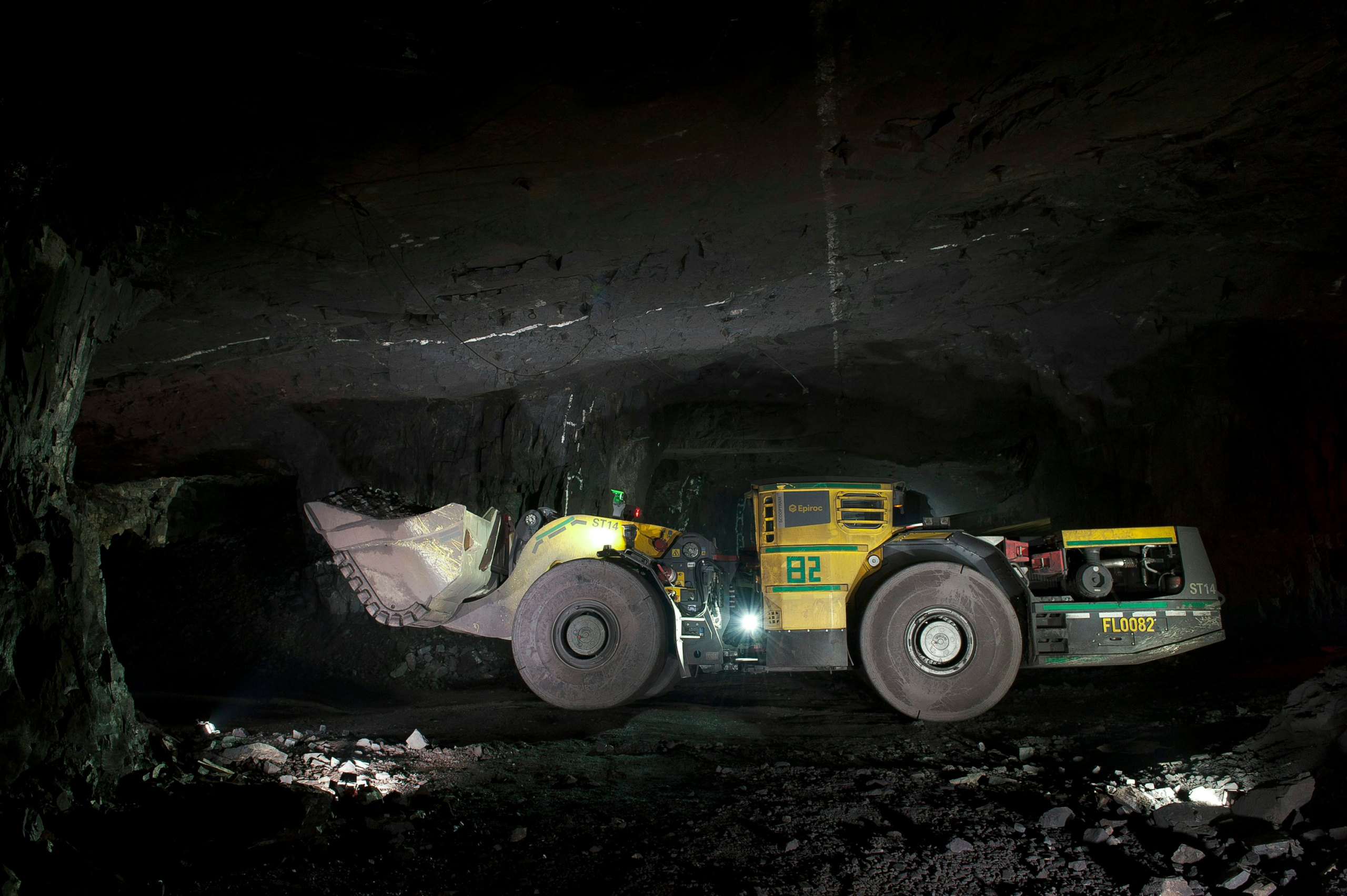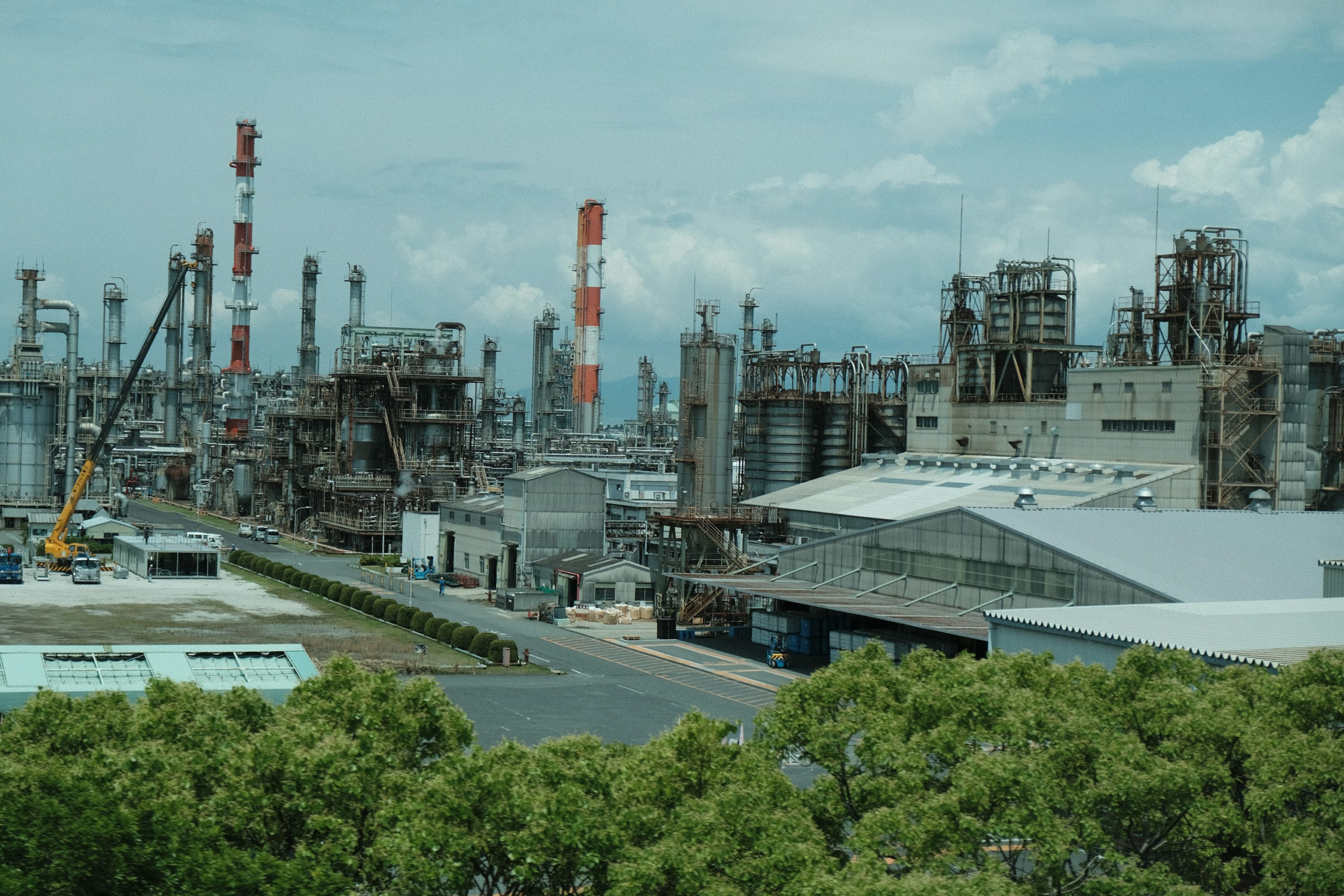
European Energy‘s Kassø Power-to-X facility in Denmark is moving deeper into commercial fuel and industrial supply chains as the plant increases e-methanol deliveries and downstream users demonstrate additional conversion routes.
The Aabenraa facility combines renewable electricity, electrolysis, and captured biogenic carbon dioxide to produce synthetic methanol. Its annual production capacity is approximately 42,000 tonnes, placing Kassø among the first commercial-scale European projects attempting to move renewable hydrogen derivatives beyond demonstration volumes.
European Energy says the facility achieved full operating capability during the first quarter of 2026 and is now supplying contracted customers. Its e-methanol is certified as a renewable fuel of non-biological origin under European requirements, providing customers with traceability around the electricity and carbon inputs used to produce the molecule.
Methanol is attractive in Power-to-X because it already has an established industrial market. Conventional methanol is transported, stored, traded, and consumed at scale in chemicals and fuels, so a renewable version can enter an existing material-handling system rather than requiring every customer to build a completely new hydrogen supply chain.
Kassø produces hydrogen using renewable electricity and water before combining the hydrogen with captured biogenic carbon dioxide. The finished liquid can then be transported as methanol, avoiding some of the storage and handling difficulties associated with gaseous hydrogen while opening applications in shipping, chemicals, plastics, and fuel production.
The plant’s customer base already spans several of those sectors. European Energy has named A.P. Moller-Maersk, LEGO, and Novo Nordisk among its foundation customers, illustrating how the same production asset can provide either a transport fuel or a lower-carbon chemical feedstock depending on the buyer.
A German development programme has added another route. As part of the DeCarTrans project, 86 tonnes of e-methanol from Kassø were processed at a large pilot plant operated with TU Bergakademie Freiberg and CAC Engineering technology.
The methanol was converted into synthetic petrol and subsequently upgraded into RON95 E10, RON98 E10, and RON102 grades. The project partners say the resulting fuels can be used in existing vehicles and distribution infrastructure without engine or network modifications.
That does not make synthetic petrol an efficient substitute for direct electrification. Electricity is first converted into hydrogen, hydrogen and carbon dioxide into methanol, and methanol then into another hydrocarbon product. Every conversion stage adds equipment, capital cost, and energy loss.
The commercial argument therefore becomes strongest where direct electrification is impractical, slow, or unable to provide the required energy density. Shipping, aviation, chemical feedstocks, and parts of the existing transport fleet are among the markets where renewable molecules may have a larger role than in applications that can use electricity directly.
Methanol’s advantage is partly logistical. A liquid fuel can be stored at comparatively manageable conditions and moved using established industrial equipment, while hydrogen often requires compression, liquefaction, pipelines, or dedicated handling systems depending on the route and distance involved.
Certification remains essential because renewable and fossil-derived methanol are chemically similar once produced. Customers seeking regulatory credit therefore need evidence of renewable electricity sourcing, eligible carbon inputs, and traceability through the production process rather than relying on the properties of the final liquid alone.
Germany’s implementation of RED III requirements is beginning to provide a clearer demand signal for such material. Binding RFNBO obligations create a market in which fuel suppliers increasingly need access to certified renewable molecules rather than purchasing them solely as voluntary environmental products.
European Energy’s first-quarter figures also show that commercial ramp-up is beginning to matter more than nameplate capacity. The company says Kassø exported more e-methanol in Q1 2026 than it did during the whole of 2025 and has delivered a high-purity batch for plastics production, while further offtake agreements have been added for 2026.
That is the transition Power-to-X developers have been trying to reach. Constructing an electrolyser proves that renewable hydrogen can be produced; recurring deliveries to customers prove whether a supply chain is beginning to function.
The economics remain difficult. Electricity price, electrolyser utilisation, carbon dioxide supply, financing, certification, plant availability, and customer willingness or obligation to pay a premium all influence whether e-methanol can compete with fossil-derived alternatives.
Kassø is therefore becoming less useful as a technology showcase and more useful as a commercial test. The plant is operating, customers are taking material, and downstream projects are finding additional uses for it. The harder question is whether those transactions become routine enough to justify the next generation of much larger Power-to-X plants without relying on exceptional first-mover conditions.