ScottishPower Renewables and Masdar have completed installation of all 95 foundations at the £4 billion East Anglia THREE offshore wind farm, closing one of the project’s largest heavy-engineering packages. All 95 transition pieces are also installed, while turbine erection has moved beyond the halfway point and the developers continue to target full operation by the end of 2026.
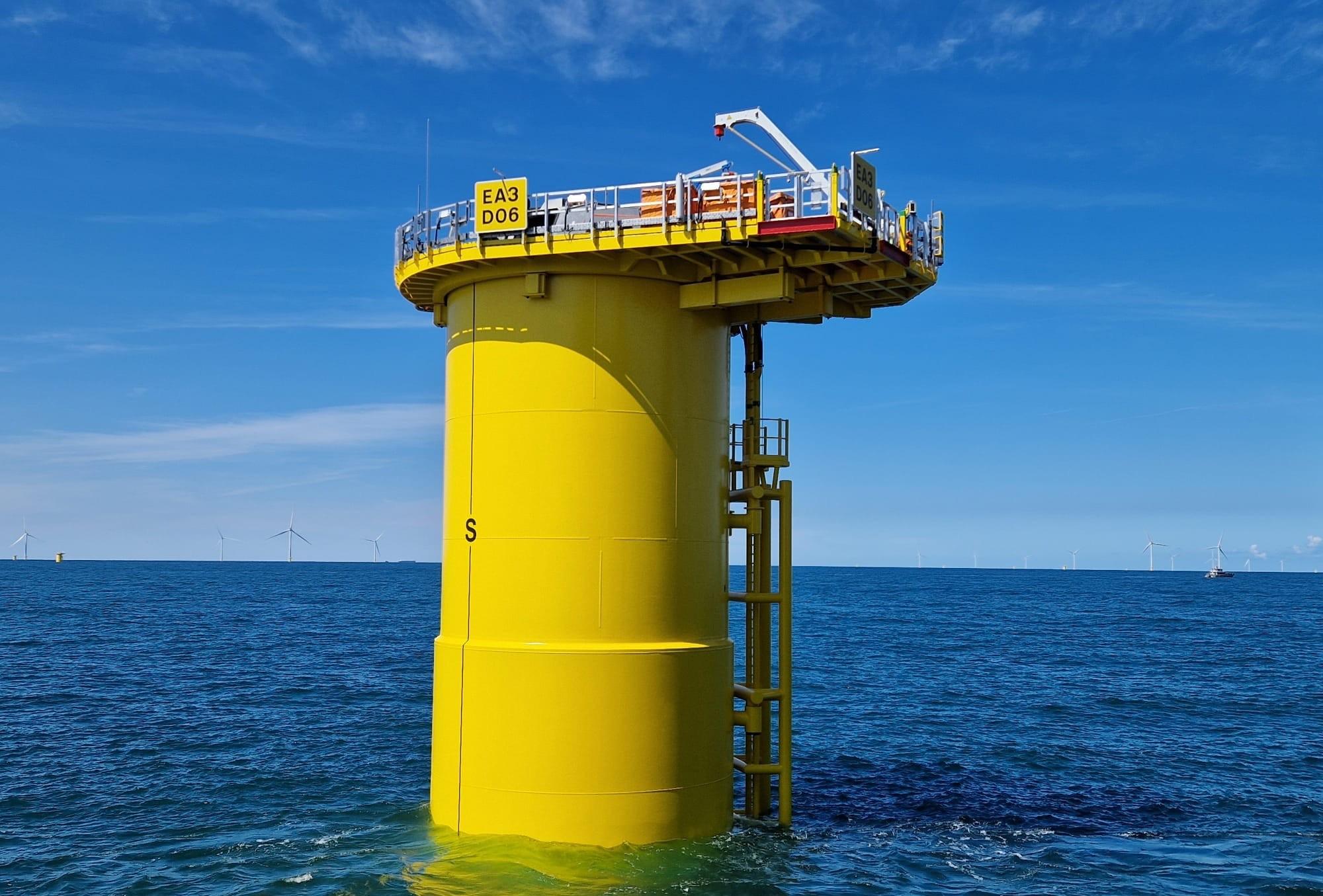
The monopiles give a useful indication of the physical scale involved. Each is between 67 and 84 metres tall, reaches up to 10.6 metres in diameter, and weighs between 1,200 and 1,800 tonnes. ScottishPower says they are the largest monopiles installed from a jack-up vessel in Europe, with more than 200,000 tonnes of steel now installed across the offshore site.
The transition pieces add another substantial fabrication package. Each structure is around 20 metres high, approximately eight metres in diameter, and weighs more than 400 tonnes, forming the interface between the foundation and the turbine tower while carrying access, electrical, and secondary systems required during operation.
Seaway7 carried out the foundation campaign using Seaway Ventus, completing the vessel’s first full foundation installation programme. The jack-up had been equipped with a dedicated mission spread for the project so it could handle the diameter and mass of the foundations and transition pieces. With that work finished, Seaway7 is continuing inter-array cable installation as the construction programme moves further into electrical completion and turbine commissioning.
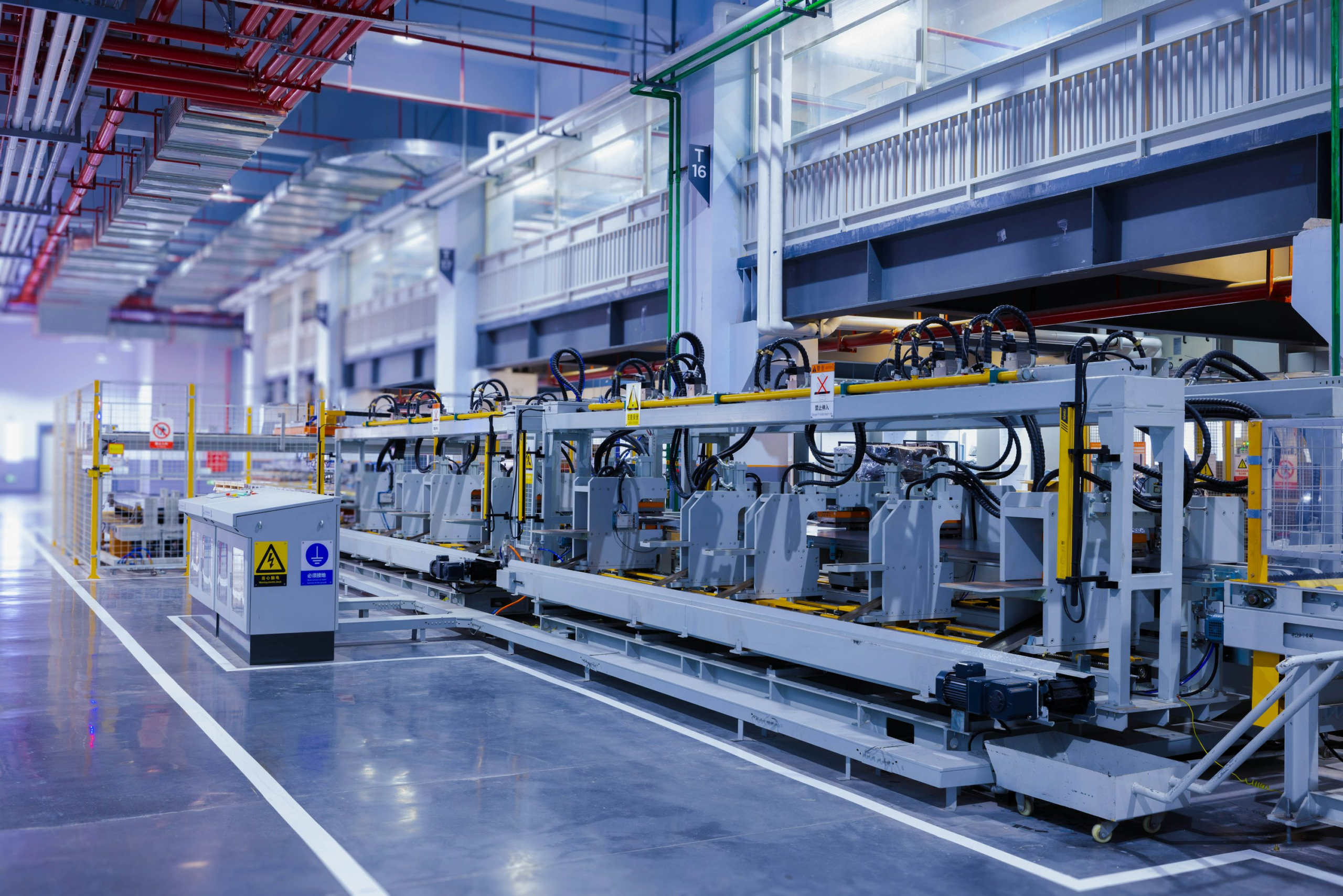
Fabrication was distributed across European suppliers. Navantia Seanergies Windar Renovables was contracted to manufacture 45 monopiles, while Haizea produced the remaining 50, and Windar also supplied transition pieces. The structures will support 95 Siemens Gamesa turbines rated at 14.7MW, producing a combined nameplate capacity of 1.4GW.
Foundation completion removes a major weather-sensitive and vessel-intensive package from the remaining schedule, although the offshore project is far from finished. Towers, nacelles, blades, array cables, offshore electrical systems, export infrastructure, and the onshore connection have to progress in sequence before the full generating asset can be commissioned.
The size of the foundations reflects the wider increase in offshore turbine ratings. Larger turbines reduce the number of machines required for a given project capacity, but transfer more demanding requirements into foundation fabrication, heavy lifting, port handling, specialist transport, installation vessels, and offshore logistics. East Anglia THREE’s first monopile, installed in 2025, stood 83.89 metres tall and weighed 1,800 tonnes, setting a European jack-up installation record at the time.
ScottishPower estimates that almost £2 billion of the project’s expenditure will flow through the UK supply chain. Siemens Gamesa’s Hull operation is manufacturing turbine blades, Wood Thilsted has provided foundation-design work, and UK companies are involved in vessel, metocean, seabed, and other support activities. The developers say construction is supporting around 2,300 jobs, with approximately 100 longer-term roles expected in the East of England once the wind farm is operational.
Those figures expose one of the more difficult questions surrounding offshore wind deployment. Project capacity can rise rapidly while the industrial value is distributed across steel fabrication, blades, cables, substations, ports, vessels, engineering services, installation, and maintenance in several countries. A large domestic project pipeline does not automatically create an equally large domestic manufacturing base unless enough of those packages can be supplied competitively from the UK.
East Anglia THREE is already drawing on that mixed supply network. The foundations combine Spanish manufacturing capacity with British design and services, while the turbine package brings further work to Hull. That model reflects the scale of components now required by offshore projects and the limited number of facilities capable of producing or handling them.
Once complete, the wind farm is expected to generate electricity equivalent to the annual consumption of more than 1.3 million homes. It is ScottishPower and Masdar’s first 50:50 UK offshore wind joint venture and forms part of a broader partnership between Masdar and Iberdrola.
The immediate engineering programme is more tangible than the ownership structure. More than 200,000 tonnes of foundation steel are now in place, every transition piece is installed, and turbine work is beyond halfway. Delivering the remaining electrical, mechanical, and commissioning sequence by the end of 2026 is the next test.