SubSea Craft has acquired a 40% equity interest in British battery engineering company LORILLION, backing a new Midlands production facility and closer domestic control over specialist battery systems for defence, marine, aerospace, and automotive applications.
The multi-million-pound investment builds on an existing technical relationship between the companies. LORILLION will use the funding to expand its engineering team beyond 70 people, accelerate proprietary battery-management technology, and establish additional manufacturing capability in the Midlands.
LORILLION is headquartered in Coventry with an additional office in Prague. Its in-house engineering covers battery systems, control systems, power electronics, and electric propulsion, giving the company a development route extending beyond cells and packs into the control and power hardware needed to integrate electrification into a finished platform.
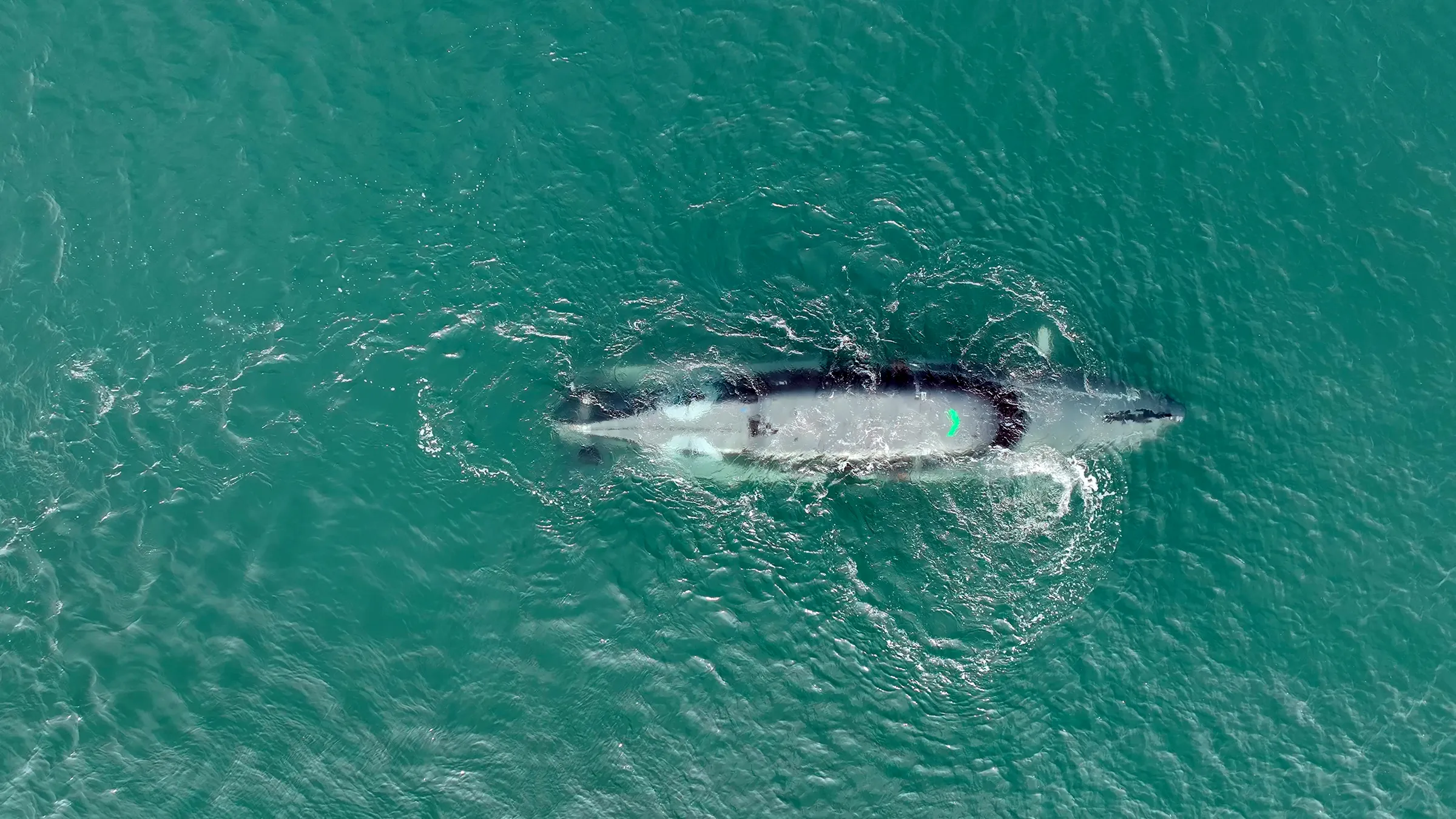
The immediate programme connection is SubSea Craft’s VICTA maritime platform. The company describes the battery as a mission-critical system within the craft, placing energy storage inside the platform’s core performance and supply requirements rather than treating it as a commodity component sourced late in the development cycle.
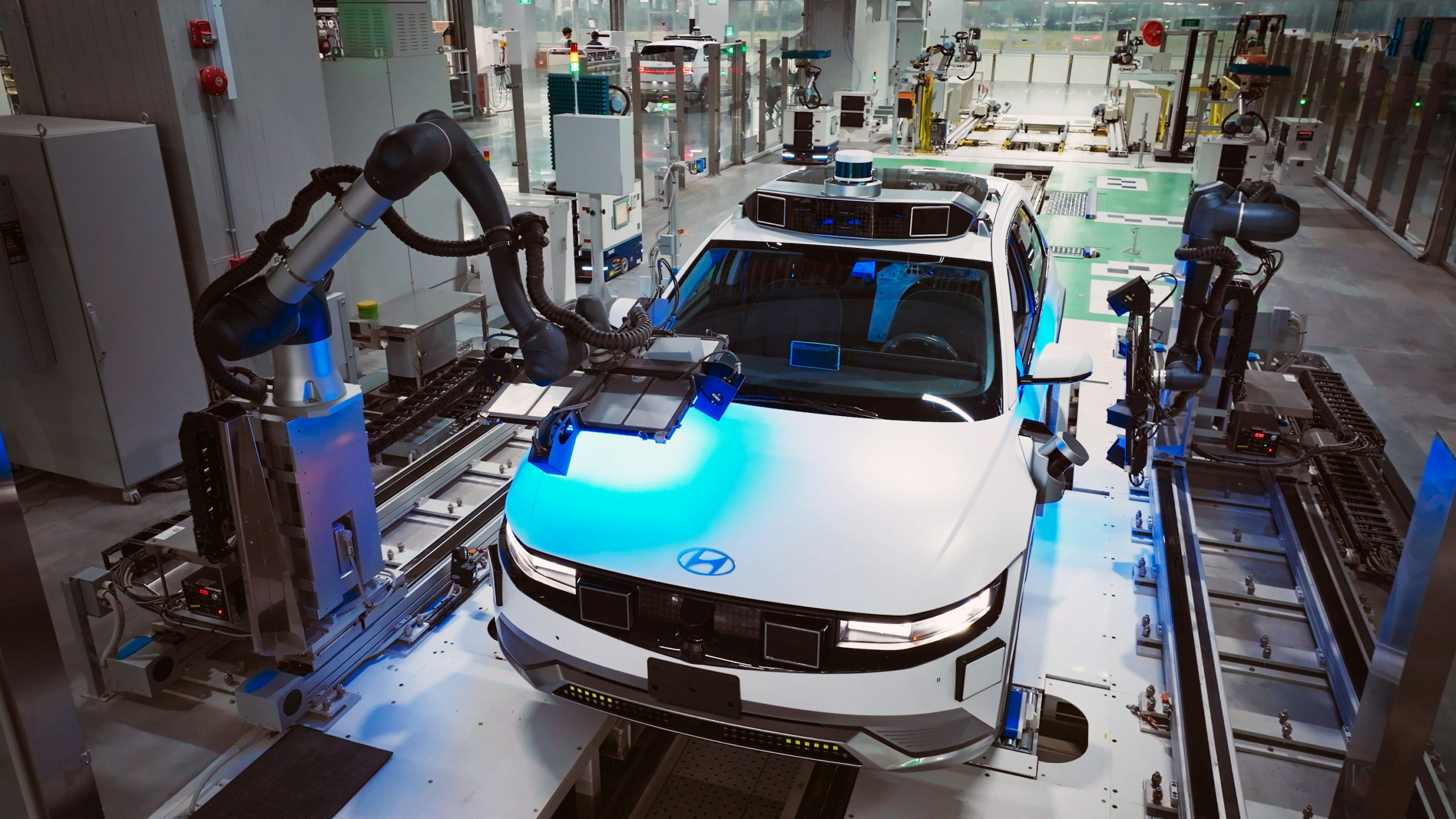
That distinction reflects the engineering demands placed on specialist batteries. A pack for a defence or marine platform has to combine cells, mechanical structure, thermal management, electrical protection, battery management, power electronics, software, connectors, and fault response within a package constrained by weight, space, and environmental conditions.
Closer integration between the platform and battery engineering teams can shorten the feedback loop when those constraints change. Adjusting range, payload, power demand, or packaging on the vehicle can require changes in the battery system, while a revised cell or cooling design can alter mass distribution and available space elsewhere in the platform.
The investment is also intended to create an end-to-end manufacturing route. LORILLION says its capability will extend from initial battery concept through design, development, testing, and certification to production, reducing the number of handovers between design houses, specialist test organisations, and external pack manufacturers.
That model is particularly relevant to low- and medium-volume industrial programmes. Specialist defence, marine, and aerospace applications rarely justify the production scale of an automotive gigafactory, yet they often require greater customisation and tighter configuration control than commodity battery products can provide.
Manufacturing economics are therefore different. A lower-volume operation has to handle changing designs, specialist enclosures, customer-specific electrical interfaces, and qualification requirements without allowing engineering work to make each production unit effectively bespoke.
The proposed Midlands facility gives LORILLION an opportunity to industrialise that process. Repeatable work instructions, testing, traceability, and quality control will determine whether engineering prototypes can be converted into certified battery packs at a useful production rate.
SubSea Craft’s 40% holding also changes the commercial relationship without absorbing LORILLION completely into the maritime business. The battery company retains a wider customer and sector base, while SubSea Craft gains a closer connection to engineering knowledge and manufacturing capacity associated with one of VICTA’s critical systems.
That breadth could help the facility avoid depending on a single programme. LORILLION works across defence, marine, aerospace, and automotive applications, allowing battery-management, power-electronics, validation, and manufacturing capability to be applied to different markets where the underlying engineering requirements overlap.
There are limits to how far commonality can go. A battery built for a marine environment may face different enclosure, cooling, shock, sealing, or safety requirements from one intended for an aircraft or vehicle, even when parts of the control architecture and engineering process are shared.
The industrial value will therefore come from reusable engineering and production capability rather than identical finished packs. Test systems, design methods, software tools, traceability, and manufacturing disciplines can serve several product families while the hardware is adapted for each application.
Neither company has disclosed the precise investment value beyond describing it as multi-million-pound, and the announcement does not give the Midlands facility’s floor area, annual production capacity, or commissioning date. Those figures will eventually provide a clearer measure of the scale being added.
For now, the defined commitments are a 40% investment, an engineering team rising above 70 people, faster development of battery-management technology, and a new UK production facility. The next industrial milestones will be the facility opening, qualified manufacturing processes, and repeatable output for VICTA and other customer programmes.
That progression will also show whether the investment can support sustained specialist battery production beyond the initial programme requirements.