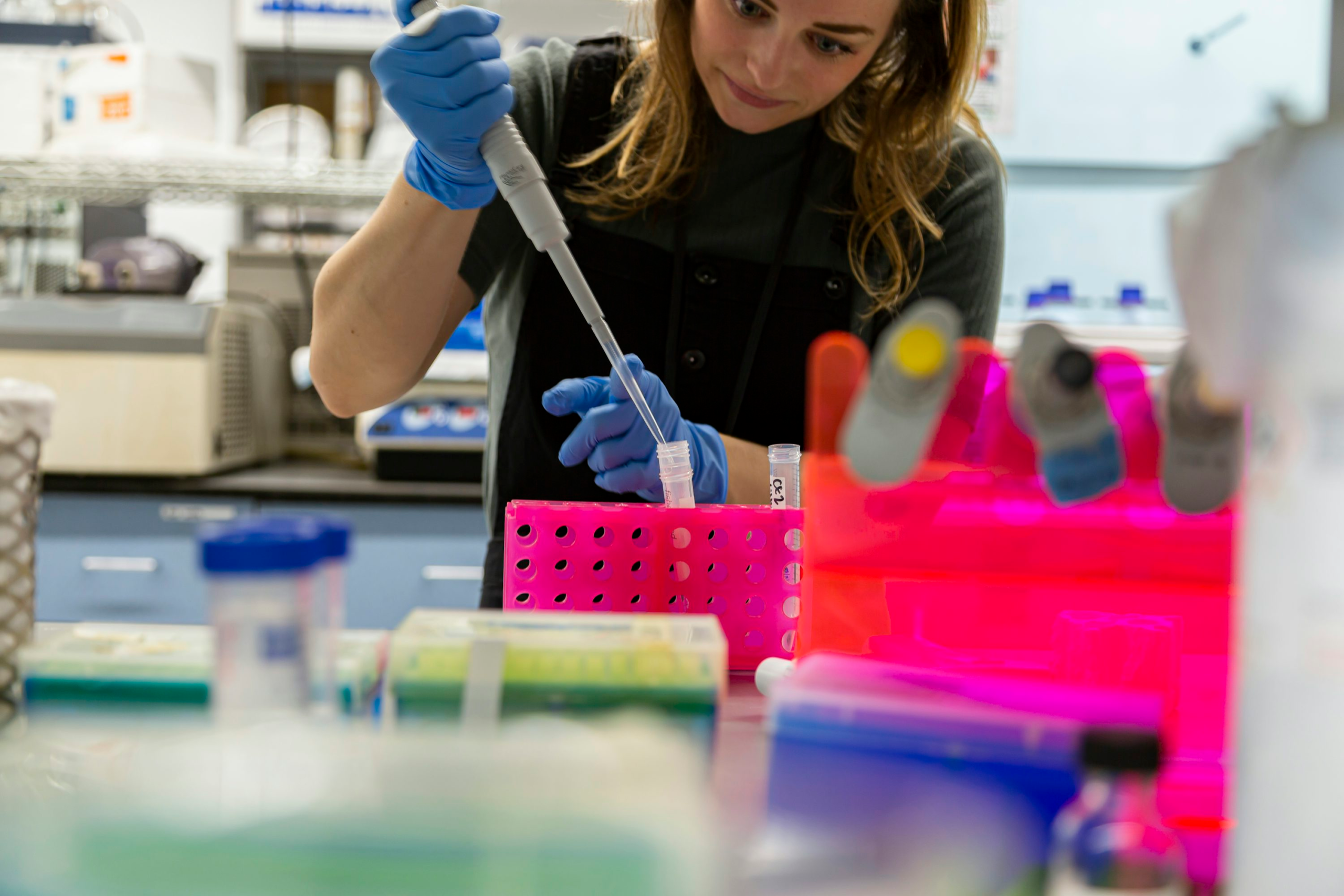
Astorg has completed its acquisition of Thermo Fisher Scientific’s global microbiology business, creating an independent diagnostics company with approximately 2,400 employees and 13 manufacturing and research sites worldwide. The operation serves clinical, pharmaceutical, and food-safety testing markets and is expected to adopt a new corporate brand later in 2026.
The business supplies microbiology consumables and equipment to more than 15,000 customers across over 100 countries. Its separation from Thermo Fisher therefore creates a sizeable standalone industrial and scientific organisation rather than a disposal based largely on commercial rights or intellectual property. Manufacturing, quality systems, logistics, product support, regulatory documentation, and research capability all have to continue while ownership and corporate infrastructure are disentangled.
Dirk Bontridder has been appointed chief executive to lead the new company. His immediate task includes managing that transition without disrupting supply into markets where diagnostic products can be operationally critical. Hospitals, pharmaceutical manufacturers, food laboratories, and quality-control organisations rely on culture media, identification systems, instruments, and related consumables to detect or characterise microorganisms, frequently within workflows subject to strict procedural and regulatory controls.
A carve-out on this scale is technically more demanding than changing the name above a factory entrance. Systems that previously depended on a larger parent company may have to be separated or replaced across finance, procurement, enterprise software, cybersecurity, regulatory affairs, human resources, distribution, and quality management. Data and documentation also need to move without breaking traceability around products whose specifications and manufacturing histories may stretch back many years.
The 13-site manufacturing and R&D footprint adds another layer of complexity. Microbiology products can include prepared culture media, dehydrated media, reagents, diagnostic kits, instruments, and consumables, each with different manufacturing and quality requirements. Maintaining consistent output across a global network requires controlled raw materials, validated processes, environmental monitoring, equipment qualification, and defined release procedures, particularly where products are used in regulated clinical or pharmaceutical applications.
Food-safety testing brings different operating pressures but similarly little tolerance for unreliable results. Manufacturers and laboratories use microbiological methods to detect pathogens, spoilage organisms, and hygiene failures before products are released or distributed. A diagnostics supplier serving that market therefore forms part of the industrial quality infrastructure behind food production, even though its products may never be visible in the finished pack.
Pharmaceutical customers impose still more stringent requirements. Microbiological testing can support sterility assurance, environmental monitoring, raw-material assessment, water-system control, process monitoring, and finished-product release. A change to a test method, reagent, production site, or critical material may consequently require customer assessment or formal qualification rather than a routine supplier substitution.
That dependence on validated workflows makes supply continuity a useful measure of whether the separation has been managed successfully. Customers are unlikely to welcome a corporate transition if it creates shortages, altered specifications, delayed certificates, or additional qualification work. The new business therefore has to establish organisational independence while keeping products, documentation, and technical support sufficiently stable for established laboratory processes to continue.
The wider diagnostics market is also becoming more automated and data intensive. Recent investment in European biologics testing capacity shows how laboratory productivity increasingly depends on validated workflows, sample handling, information systems, and data integrity alongside the analytical equipment itself. The same principle applies to microbiology: instrument throughput has limited value if consumables, quality records, software, and service support do not remain aligned.
Astorg has positioned the acquired operation as the basis for a broader global microbiology diagnostics platform, although no further acquisition or manufacturing programme has yet been announced. The more immediate industrial work involves establishing standalone corporate systems and deciding how the existing 13-site network should operate once it is no longer embedded inside Thermo Fisher.
Independence can also change how capital is allocated. A focused microbiology company may prioritise manufacturing automation, new diagnostic platforms, site expansion, software, or product development differently from a business competing internally for investment within a much larger scientific portfolio. Whether that produces faster investment will depend on management priorities, customer demand, and the financial structure established under Astorg ownership.
The new corporate name remains to be announced, leaving the most visible part of the separation for later in the year. The harder work is already under way. Thousands of employees, 13 manufacturing and R&D sites, and more than 15,000 customers now have to operate through an independent organisation while preserving the reliability expected from products used to decide whether medicines, food, and clinical samples pass or fail microbiological tests.