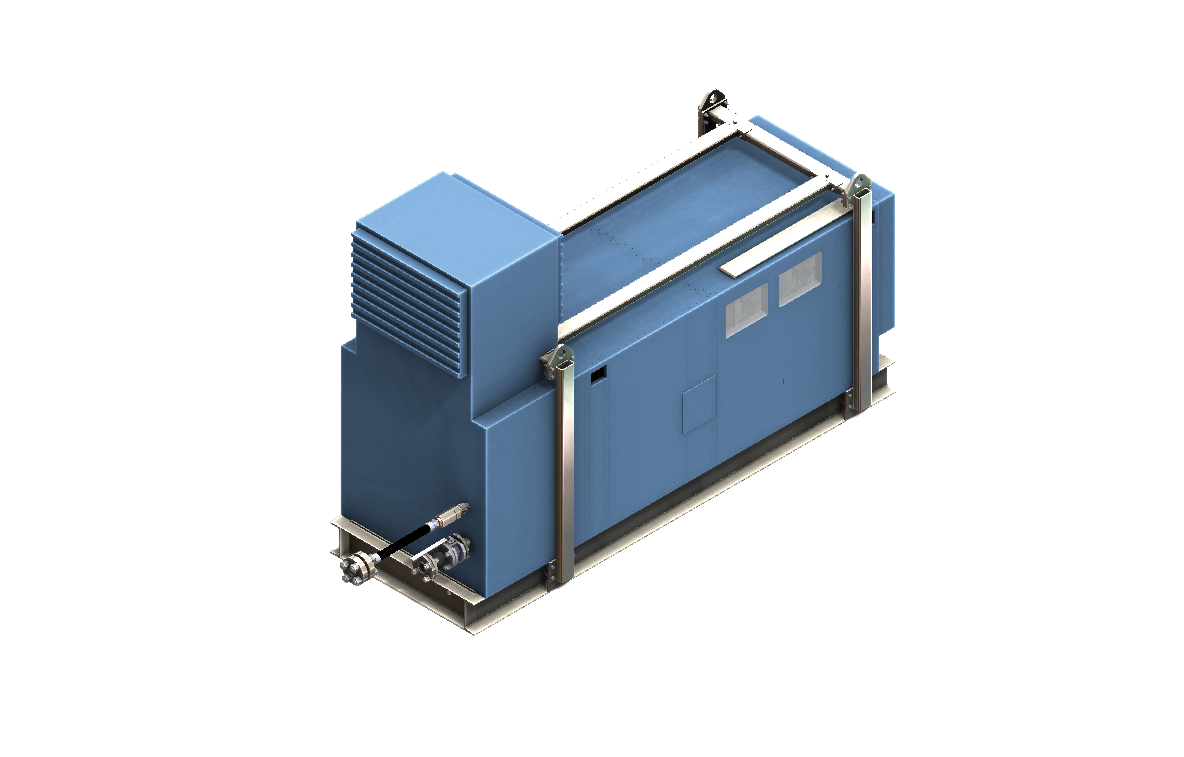
Mitsubishi Electric has launched a station energy saving inverter that remotely collects operating data while redirecting surplus electricity generated by braking trains into station lighting, air conditioning, lifts, and other equipment.
The S-EIV-X is the latest model in Mitsubishi Electric’s station energy saving inverter range. It is being offered as a subscription service intended to reduce the upfront cost faced by railway operators installing the equipment.
Electric trains equipped with regenerative braking convert part of their kinetic energy back into electrical energy as they slow. That electricity can be used by another train on the same network when demand and timing align.
When nearby trains cannot absorb the available power, the energy may otherwise be wasted or managed through separate equipment. A station energy saving inverter converts the surplus into electricity suitable for station facilities.
The amount available changes continuously. Train movements, service frequency, braking patterns, electrical demand, and feeder voltage all influence whether regenerative electricity can be captured and used at a given moment.
Air conditioning loads inside trains and stations also vary with weather and passenger numbers. A system configured around a fixed assumption may therefore fail to achieve the best result across different seasons or operating periods.
The S-EIV-X continuously gathers feeder voltage and inverter operating data through a dedicated network. Earlier systems required personnel to visit substations or station electrical rooms and retrieve information manually through the monitoring panel.
Remote collection should give railway operators a more continuous view of how much regenerative energy is available, when it is being absorbed, and how operating conditions affect performance.
The data can also support fault diagnosis. If the inverter develops an abnormal condition, operating logs can be reviewed remotely before technicians travel to the site.
That capability does not remove the need for physical inspection, but it can improve the first response by helping maintenance teams identify the likely fault, select tools and replacement components, and decide whether immediate intervention is required.
Railway electrical assets are often installed in restricted locations with controlled access. Avoiding unnecessary visits can reduce disruption and exposure to electrical environments, although remote systems introduce their own communications and cybersecurity requirements.
Mitsubishi Electric has incorporated high voltage, full silicon carbide power devices into the inverter. Silicon carbide can operate at higher switching frequencies and temperatures than conventional silicon devices in suitable power electronics applications.
The manufacturer has used the devices to simplify the S-EIV-X power unit and reduce its component count. Fewer components can improve compactness and maintainability, although system reliability depends on the complete design rather than the semiconductor material alone.
Power electronics equipment used alongside railway traction systems must cope with demanding voltage, thermal, vibration, and electromagnetic conditions. Components also need to remain maintainable over the long operating life expected of transport infrastructure.
Compact equipment can be useful where existing stations and substations have limited installation space. Retrofitting an inverter into an operational railway is generally more constrained than installing the same system as part of a new project.
Mitsubishi Electric plans to combine data from the inverter with train and substation simulations on its Serendie digital platform. Its railway energy management system can then analyse feeder voltage trends and investigate changes to substation output voltage.
This turns the inverter from a standalone conversion device into a source of information for wider network analysis. The practical value will depend on whether recommendations can be translated into changes compatible with traction power safety, timetable performance, and existing protection arrangements.
Optimising feeder voltage is not simply a matter of increasing or reducing one setting. Voltage must remain within limits suitable for trains, substations, protection systems, and connected equipment throughout changing operating conditions.
Data from several stations and substations could nevertheless reveal where regenerative energy is repeatedly unavailable to other trains, where voltage conditions restrict absorption, or where station loads align particularly well with braking activity.
Railway operators could use those findings when planning future inverter locations or deciding whether additional energy storage, substation modifications, or timetable changes merit investigation.
The subscription model is also notable. Infrastructure operators frequently face difficulty justifying energy projects that require an immediate capital outlay but deliver savings over several years.
Spreading the cost may make installation easier to approve, although the complete commercial case will depend on subscription charges, measured energy recovery, maintenance obligations, equipment life, and the operator’s electricity tariff.
Mitsubishi Electric has not supplied a universal energy saving figure for the S-EIV-X. That restraint is appropriate because recoverable power varies with each route’s rolling stock, traffic pattern, station loads, electrical configuration, and timetable.
The system’s performance will therefore need to be assessed using site data rather than a headline efficiency percentage. Remote monitoring gives the operator more information for that assessment and may make underperforming installations easier to identify.
Rail decarbonisation is often presented as a question of replacing diesel traction with electric trains. On electrified routes, however, significant gains can also come from making better use of energy already generated and paid for.
The S-EIV-X addresses that less visible part of railway efficiency: collecting electricity produced during braking, feeding it into nearby station loads, and producing enough operating evidence to determine whether the arrangement is working as intended.