Keller Group has reported a record £1.9 billion order book as infrastructure and data centre demand drove stronger first-half trading, particularly in North America. The geotechnical contractor’s backlog increased from £1.6 billion a year earlier and includes a multi-year contract linked to reconstruction of the I-40 highway in the United States.
Revenue for the six months to 30 June reached £1.608 billion, an increase of 11.1% on a constant-currency basis, while underlying operating profit rose 17.1% to £117.9 million. The underlying operating margin improved from 7.0% to 7.3%.
North America delivered record volume and profit growth, supported by infrastructure schemes and data centre projects. That activity more than offset softer residential demand in southern Florida, illustrating the extent to which selected construction markets are diverging rather than moving through a uniform recovery.
Chief executive James Wroath said the £1.9 billion backlog demonstrated the value of Keller’s geographic and sector diversification. The group expects full-year performance to remain in line with the upgraded market expectations issued in July.
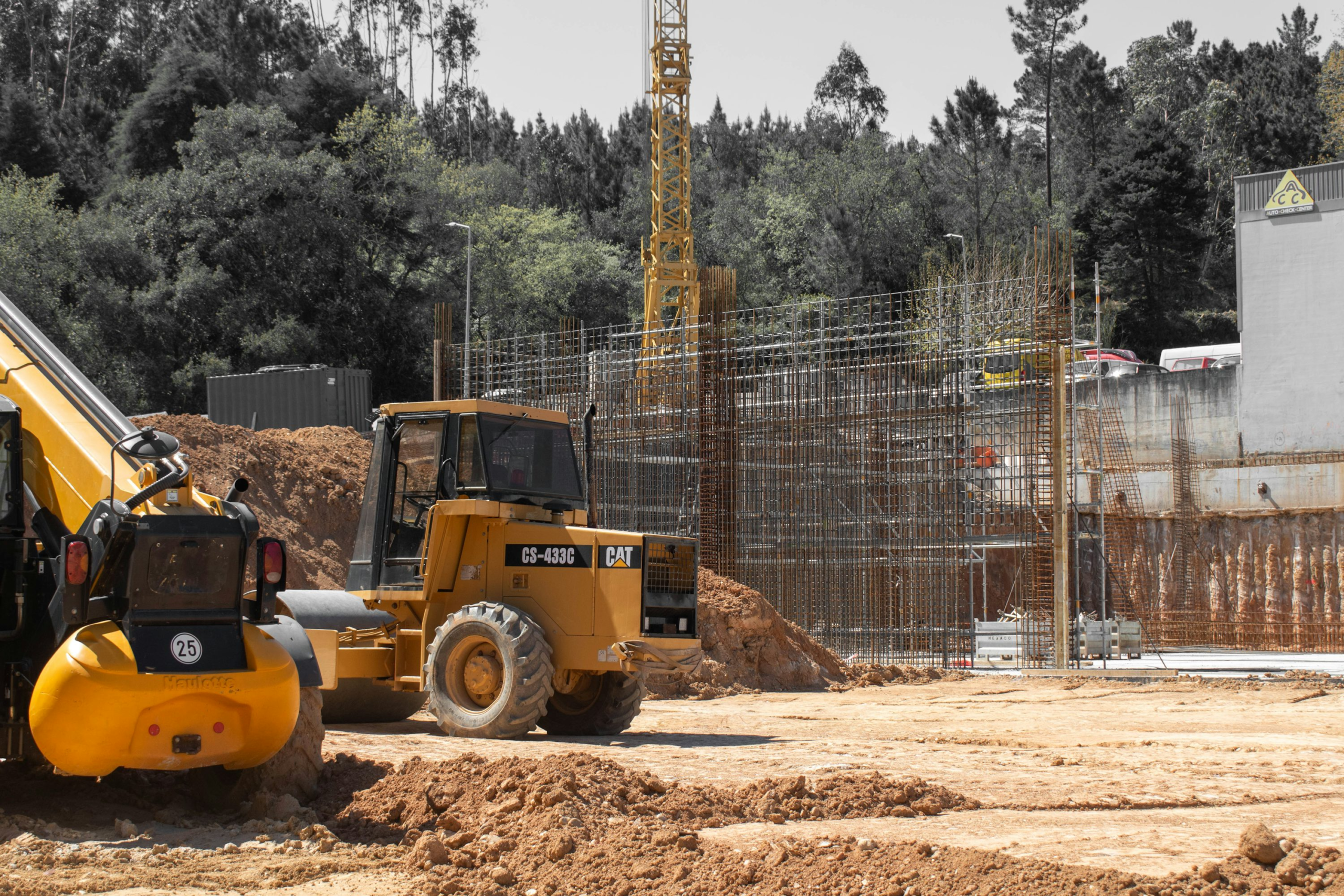
Keller works at the stage where a project’s visible construction has barely begun. Its ground engineering services address bearing capacity, settlement, groundwater, excavation, and soil conditions before structural and building-services programmes can proceed, placing geotechnical design and specialist equipment on the critical path for large developments.
Data centres intensify that pressure because developers commonly pursue several buildings across one campus under compressed schedules. Keller says its North American businesses have worked on several hundred data centre buildings since 2018, and that a typical scheme may involve between five and 30 buildings.
Repeated building designs do not remove site risk. Ground conditions vary across a campus, while the weight and vibration requirements of dense mechanical and electrical installations can impose strict settlement criteria. Early investigation and foundation design therefore influence the release of every later trade, from structural steel to power and cooling equipment.
Scale also changes the contracting requirement. Keller has said its ability to mobilise multiple rigs is important where clients prioritise speed to market, particularly when several buildings must progress in parallel. That model depends on plant availability, experienced crews, design coordination, and consistent quality across a programme rather than a single foundation package.
The I-40 highway contract provides a different form of workload. Keller began work on the reconstruction programme in 2025 and secured a further $207 million variation in June 2026, taking its total awarded work on the project to about $380 million. Around $70 million had been completed at that point, with the remainder expected over the following two to three years.
Longer infrastructure contracts offer revenue visibility, but they also concentrate delivery and commercial risk. Ground conditions, access, sequencing, design changes, and interface management can alter productivity over several seasons, while public infrastructure clients expect safety, quality, and programme control to remain consistent.
Outside North America, Keller reported improved performance in Europe and the Middle East, with margin and profit growth driven principally by the Middle East. In Asia-Pacific, continued momentum in Austral largely offset margin pressure in the Australian foundations market.
The regional picture reinforces the logic behind the group’s diversified order book. Data centres, transport infrastructure, advanced manufacturing, and selected Middle Eastern projects are creating demand, while residential and some western European markets remain less supportive. The backlog is therefore concentrated in specific sectors and locations rather than evidence of a broad construction upswing.
Keller employs around 10,000 people, operates across five continents, and undertakes approximately 5,500 projects a year. That scale provides access to specialist techniques and equipment, but converting a £1.9 billion backlog into margin depends on contract discipline and site execution rather than volume alone.
The I-40 work and data centre pipeline also have different cash and resource profiles, which may help balance the order book but complicate planning. One demands sustained delivery over several years; the other rewards rapid mobilisation across repeated campuses.
The group will provide further detail at a capital markets day in London on 14 October. Until then, the first-half figures show that investment in computing infrastructure and transport renewal is feeding directly into ground engineering. Data halls and highways may attract the capital, but both still begin with the less photogenic question of whether the ground will carry them.