
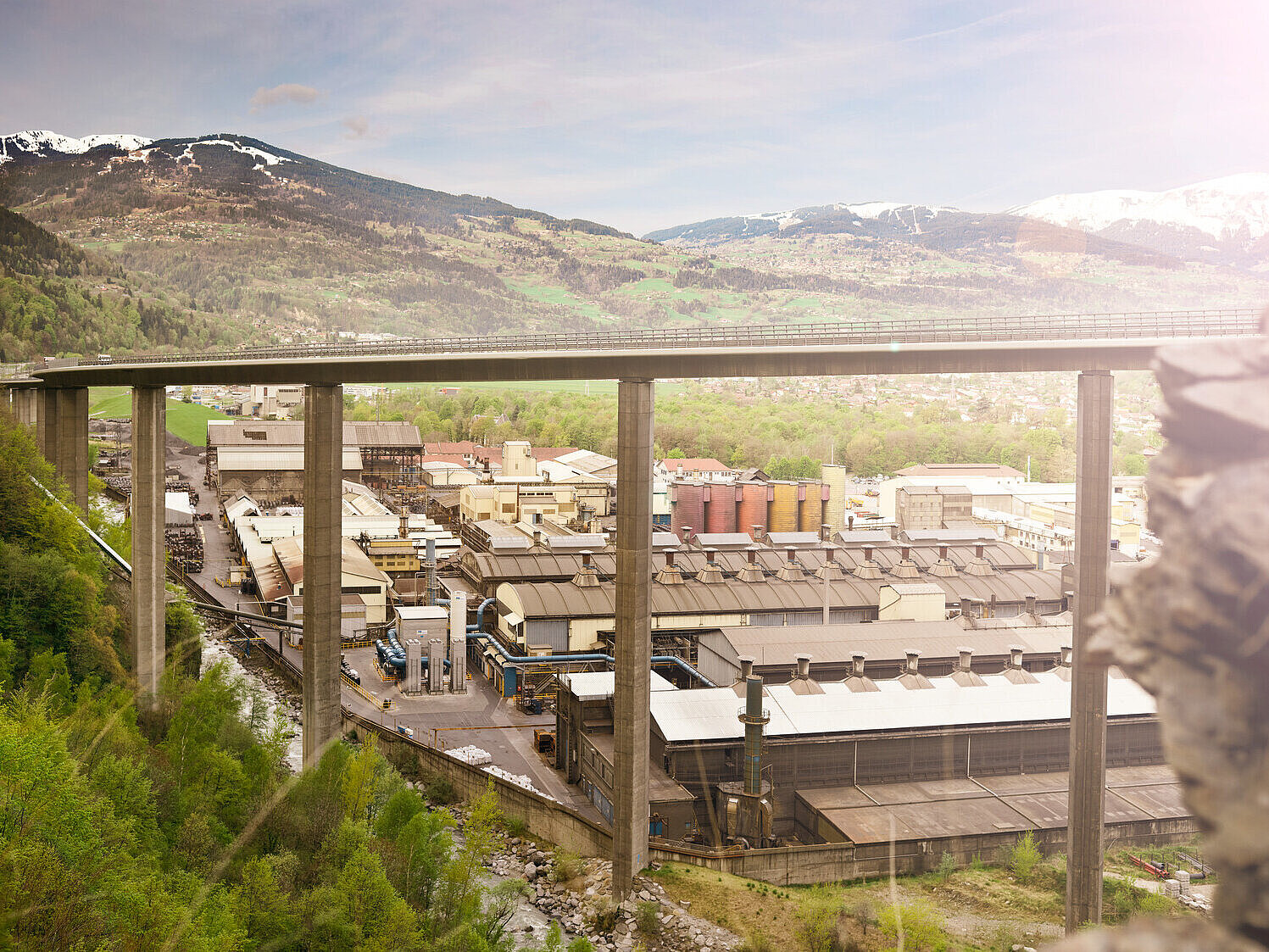
SGL Carbon and X-energy have signed a binding agreement to double European manufacturing capacity for NBG-18 nuclear-grade graphite by 2030. X-energy will provide up to $8 million through milestone-based payments for new facilities and equipment upgrades at SGL’s Chedde site in France.
The investment is intended to give the plant capacity to produce graphite billets for as many as eight Xe-100 reactors each year. SGL will also expand US capacity for machining billets into finished graphite blocks, dividing production between European material manufacture and processing closer to X-energy’s initial projects.
NBG-18 is a medium-grain isotropic graphite used as a neutron moderator and structural material inside the Xe-100 pebble-bed reactor core. Its position within a safety-critical system requires predictable behaviour under high temperature, radiation exposure, mechanical load, and long operating periods.
The grade was developed originally for South Africa’s Pebble Bed Modular Reactor programme and later supported work under the US Department of Energy’s Next Generation Nuclear Plant project. X-energy and SGL say those programmes, together with their subsequent work, produced qualification data supporting commercial nuclear use over decades of high-temperature operation.
The latest expansion builds on a ten-year supplier framework agreement signed in January 2026. That arrangement included an initial three-year award worth more than $100 million for X-energy’s first commercial projects.
The first NBG-18 blocks produced under the award at Chedde have been shipped to SGL facilities in the United States for machining. A non-nuclear prototyping campaign also began this year at X-energy’s Technology and Advancement Center in Maryland, allowing component manufacture, geometry, inspection, handling, and assembly methods to be tested before final production.
Initial output is intended for X-energy’s proposed first commercial Xe-100 deployment, a four-unit plant being developed with Dow under the US Department of Energy’s Advanced Reactor Demonstration Program. Additional capacity is being secured for follow-on projects and to improve readiness for components whose lead time could otherwise constrain reactor schedules.
Nuclear graphite receives less attention than reactor vessels, turbines, or fuel, but advanced reactor programmes depend on qualified materials with narrow performance requirements. An alternative grade cannot be introduced casually when demand rises because substitution would require material evidence, design assessment, regulatory acceptance, and changes to manufacturing records.
Production capacity and qualification are therefore inseparable. New facilities can increase nominal output, but the process must continue to control raw materials, grain structure, density, impurities, dimensions, and machining quality while throughput rises.
Each block must remain traceable to approved inputs and procedures, with inspection and production records retained for periods measured in decades. Faster output is of limited use if additional volume creates variation that the reactor design or safety case cannot accept.
J. Clay Sell, Chief Executive Officer of X-energy, said: “Commercializing new nuclear at scale rests first and foremost on our ability to significantly expand the new nuclear supply chain, a challenge that extends beyond any one company, supplier, or nation.”
The transatlantic production route creates both continuity and dependency. Billets made in France will be machined in the United States, so delivery depends on logistics, export arrangements, specialist equipment, skilled labour, and compatible quality systems at both ends.
Using sites in allied markets provides geographic diversification, but it does not remove the risk associated with a limited number of approved production routes. A disruption at either stage could affect the same reactor programme even where total nominal capacity appears sufficient.
Capacity also has to be installed ahead of firm reactor volumes. Waiting for every project to reach a final investment decision would leave long-lead graphite on the critical path, while expanding too early could leave expensive specialist equipment underused if development schedules slip.
The industrial challenge extends beyond the principal processing machinery. Nuclear-grade production requires trained operators, calibrated inspection equipment, controlled raw materials, approved maintenance procedures, and quality systems able to demonstrate that process changes have not altered the finished graphite.
X-energy has identified projects with Dow, Amazon, and Centrica, although they remain at different stages and will not necessarily translate into identical manufacturing schedules. Supplier planning must accommodate that uncertainty while preserving skills, equipment, and qualified processes between orders.
The Chedde investment is modest compared with the cost of a reactor development programme, yet it addresses a recurring weakness in new nuclear delivery. A design is not commercially deployable until specialist materials can be manufactured repeatedly, inspected, documented, and delivered at programme scale.
By 2030, the useful measure will be qualified blocks shipped to active projects rather than theoretical billet capacity. Advanced nuclear has accumulated no shortage of ambitious deployment schedules; suppliers are now being asked to put factories, equipment, and material evidence behind them.
