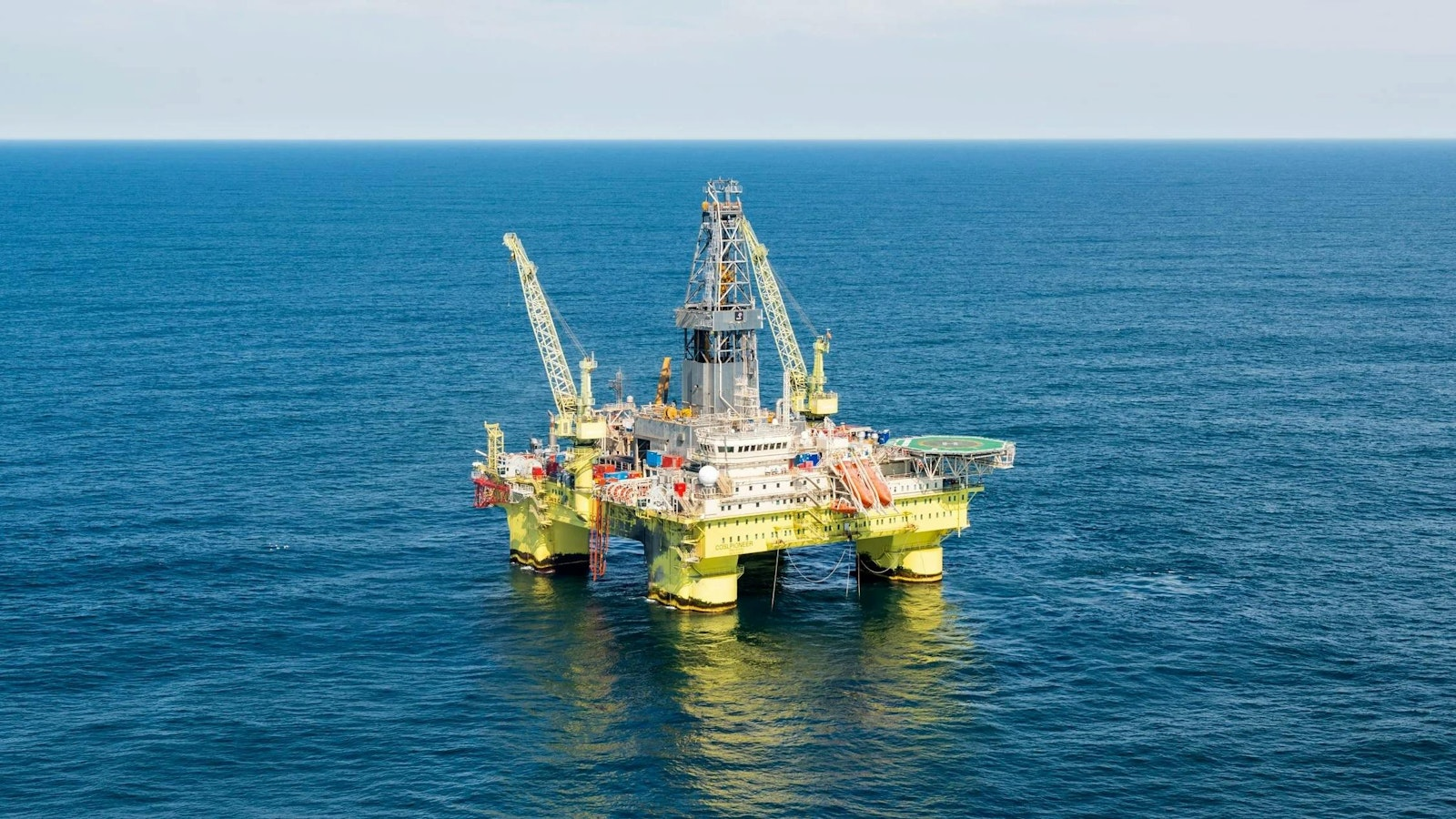
Vår Energi and partner Kistos have started drilling on the Balder Phase VI development in the Norwegian North Sea using the COSL Pioneer semi submersible rig.
The campaign begins with a trilateral production well intended to connect additional reserves to the wider Balder production system. Work is being coordinated with debottlenecking activity on the Jotun floating production, storage, and offloading vessel.
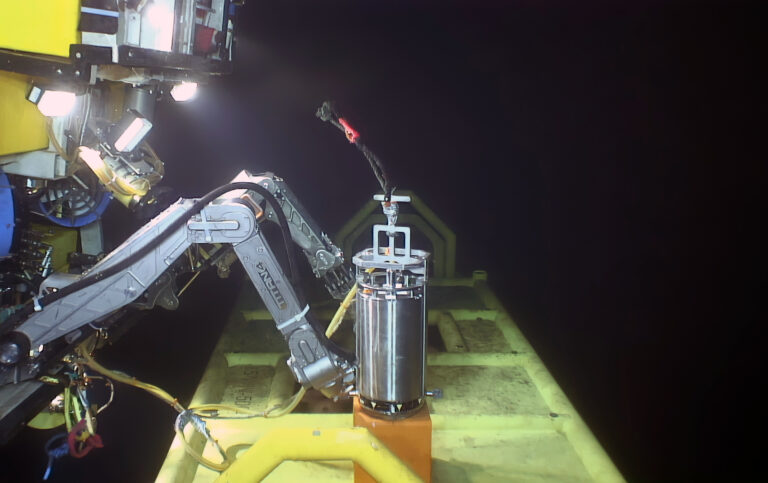
Balder Phase VI is being developed as a subsea tieback to the Jotun vessel. The programme includes an additional multilateral well, a new subsea template, flexible flowlines, umbilicals, and the infrastructure required to connect production into existing facilities.
First production is targeted before the end of 2026, which requires drilling, subsea installation, vessel modifications, testing, and commissioning to progress as one integrated programme rather than a sequence of isolated work packages.
COSL Pioneer is drilling the new well while offshore contractors prepare the associated subsea system. Ocean Installer has been awarded engineering, procurement, construction, and installation work covering the subsea umbilicals, risers, and flowlines.
A trilateral design allows several producing branches to be drilled from a common well bore. The approach can increase reservoir access while reducing the number of separate well slots and top hole sections, although completion design, reservoir management, and future intervention become more complex.
Balder is an established producing area on the Norwegian continental shelf, and the latest phase aims to recover further resources by combining new wells with infrastructure already connected to market.
Brownfield tiebacks are central to production in mature offshore basins because platforms and floating vessels already provide processing, utilities, export routes, accommodation, and control systems. Smaller accumulations can therefore be developed without building a complete standalone facility.
Integration work can still be extensive. New production must fit within the pressure, temperature, fluid handling, power, chemical injection, water treatment, and export limits of equipment designed around earlier reservoir assumptions.
Debottlenecking the Jotun vessel forms part of the production project because additional fluids may constrain separators, compressors, pumps, cooling systems, power generation, flare capacity, water handling, or export equipment.
Comparable coordination is visible across current offshore construction, including installation work for the Neptun Deep production platform. Different field conditions still lead back to the same requirement: wells, subsea equipment, pipelines, processing systems, and commissioning must be delivered to a common schedule.
Balder Phase VI also enters a competitive market for rigs, subsea vessels, remotely operated vehicle crews, flexible pipe, umbilicals, control equipment, and experienced engineers. Oil and gas, offshore wind, carbon storage, decommissioning, and interconnector projects are drawing on many of the same specialist resources.
Schedule control therefore extends beyond the principal drilling rig. A delay in equipment qualification, vessel mobilisation, shutdown work, or subsea installation can affect several contractors and create costly idle time offshore.
Reusing infrastructure can lower capital cost and shorten development, but asset condition must be managed over the extended operating period. The host vessel and connected systems have already accumulated service life, while new production may keep them operating beyond earlier assumptions.
Inspection, corrosion management, fatigue assessment, obsolescence planning, and spare parts availability must be included in the development case. Extending field life without addressing those areas transfers technical and commercial risk into later operations.
Reservoir uncertainty adds another layer because the value of a multilateral well depends on how each branch performs after completion. Production logging, pressure data, flow allocation, and intervention planning will guide how the well is managed through changing reservoir conditions.
Flow assurance must also account for the route from the well to the host vessel. Pressure loss, temperature decline, hydrate risk, wax, sand, and chemical treatment can constrain production even when the reservoir and well are capable of higher rates.
The Balder programme shows how mature basin production is increasingly delivered through successive engineering increments. Additional output comes from combining new wells, subsea systems, and facility modifications around infrastructure that already has an operating history.
Production chemistry, monitoring, and operating procedures will then need to be incorporated into the routines used across the existing field.
Starting the COSL Pioneer campaign moves Phase VI into its principal execution period. The remaining work must bring the well, subsea equipment, and Jotun modifications together in time to achieve production during 2026 without disrupting the wider Balder system.