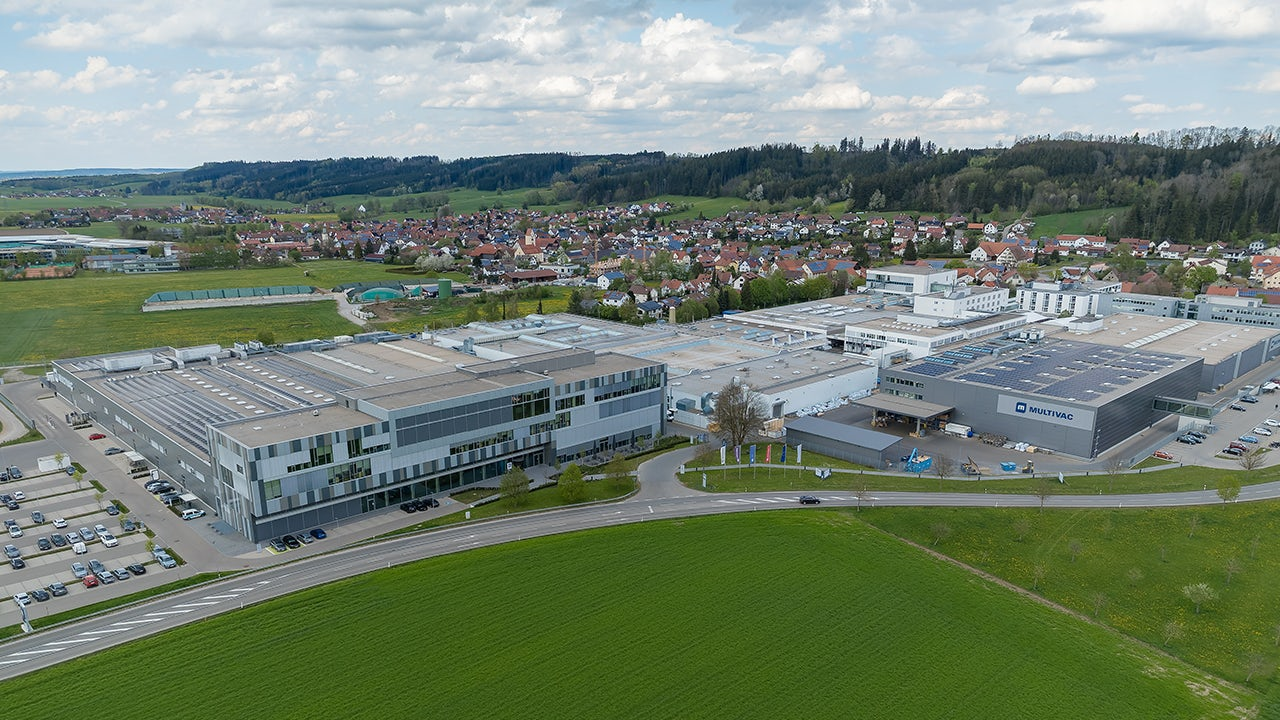
MULTIVAC has selected Siemens Teamcenter as the product lifecycle management backbone for a company-wide digital thread connecting engineering, manufacturing planning, tooling, CNC operations, and production data.
The packaging and processing machinery group will use the platform to improve collaboration throughout product development while bringing greater control to information as designs move from engineering into manufacture.
Teamcenter will provide a common structure for product data, revisions, bills of materials, documents, and approval workflows. Reducing the number of disconnected systems and manual handovers should lower the risk of production teams working from incomplete, duplicated, or superseded information.
MULTIVAC already uses Siemens Designcenter Manufacturing and the Teamcenter Manufacturing Resource Library for tool management. The wider implementation will extend that connection into numerical-control programme handling and CNC activity across the factory floor.
Machine builders manage a complicated information flow because customer projects frequently combine standard modules with application-specific engineering. Mechanical assemblies, electrical equipment, controls, safety systems, software, tooling, and line interfaces must remain aligned while designs continue to change.
A product lifecycle system provides a controlled source for those configurations, showing which revision has been approved, which components are affected by a change, and what manufacturing resources are required. Production information can then be linked to the customer order rather than distributed through separate files and local copies.
Dr Christian Lau, chief technology officer and group president at MULTIVAC, said: “With Teamcenter, we are improving user efficiency and collaboration, while preparing for the future.”
The programme will also structure engineering and production data for artificial intelligence and analytics. Fragmented files, inconsistent part names, duplicate records, and missing process history restrict the usefulness of advanced analysis, irrespective of the capability of the underlying software.
Digital continuity reaches factory operations
MULTIVAC’s wider investment in connected processing and packaging machinery has combined automated equipment, production data, and new manufacturing capacity. The Teamcenter implementation applies similar principles to the company’s own engineering and production processes.
Connecting the engineering definition of a component with the tools, machines, programmes, and work instructions used to manufacture it should reduce the risk of an approved design change failing to reach the shop floor. It also provides a clearer route for tracing production decisions back to the controlled product model.
Tool management forms a substantial part of the system because incorrect selection, missing preset data, or inconsistent naming can delay setup and create quality problems. A central resource library allows manufacturing engineers to standardise cutting tools, holders, assemblies, parameters, and documentation across different sites.
Numerical-control programmes require similar governance. Each programme must be linked to the correct component revision, machine capability, tooling, and simulation record, while uncontrolled local copies can remain in use long after engineering information has changed.
Better classification and search should also increase reuse. Machinery companies often redesign components that resemble existing proven parts because engineers cannot find the original information quickly or cannot confirm whether it remains valid.
Artificial intelligence could extend that capability by identifying comparable designs, detecting incomplete records, suggesting manufacturing routes, or analysing recurring setup and quality problems. Engineering oversight will remain essential, especially where machinery serves food, medical, and pharmaceutical applications with demanding hygiene and validation requirements.
Cyber security and access control become more important as product information is concentrated within a common platform. Designs, customer configurations, software details, supplier information, and production knowledge must be available to authorised teams without exposing commercially sensitive material or allowing accidental changes.
Implementation will also require substantial data cleansing and process standardisation. Software alone cannot resolve different naming conventions, unclear ownership, duplicated part records, or local workarounds that have developed over many years.
MULTIVAC must decide which workflows should be harmonised across the group and where individual factories require controlled variation. Excessive standardisation can make the system cumbersome, while too much local freedom weakens the continuity the project is intended to create.
Product lifecycle management is moving beyond document storage and becoming an operational link between design decisions, physical production, inspection, service, and future upgrades. For machinery built in many customer-specific configurations, that continuity can reduce engineering duplication and improve control over what is actually manufactured.
The return on the programme will depend on whether employees can find, trust, and use shared data without introducing additional administration around the work. When the system supports engineering decisions instead of merely documenting them, the digital thread becomes part of production rather than a parallel information exercise.