Renewable generation records look impressive until the supporting infrastructure is considered. Capacity announcements do not procure transformers, shorten cable lead times, secure planning consent, or keep an electrified production line stable when the network misbehaves.
That gap between ambition and delivery runs through Issue 3 2026 of IN Power, now free to read as a summer release. The magazine looks beyond generation totals to the engineering decisions that determine whether new power can be connected, controlled, and relied upon.
Its features move across a system becoming more distributed and demanding. Data centres are turning to renewable microgrids to improve resilience and reduce dependence on constrained grid connections, but the resulting mix of batteries, inverters, SCADA, and remote access creates an operational technology security surface many operators have barely begun to map.
For developers, behind-the-meter generation and storage are moving from an optional sustainability measure towards a response to connection delays and reinforcement costs. On the transmission network, multi-wire composite conductor cores offer a route to higher capacity, lower thermal expansion, and improved resilience when individual strands are damaged.
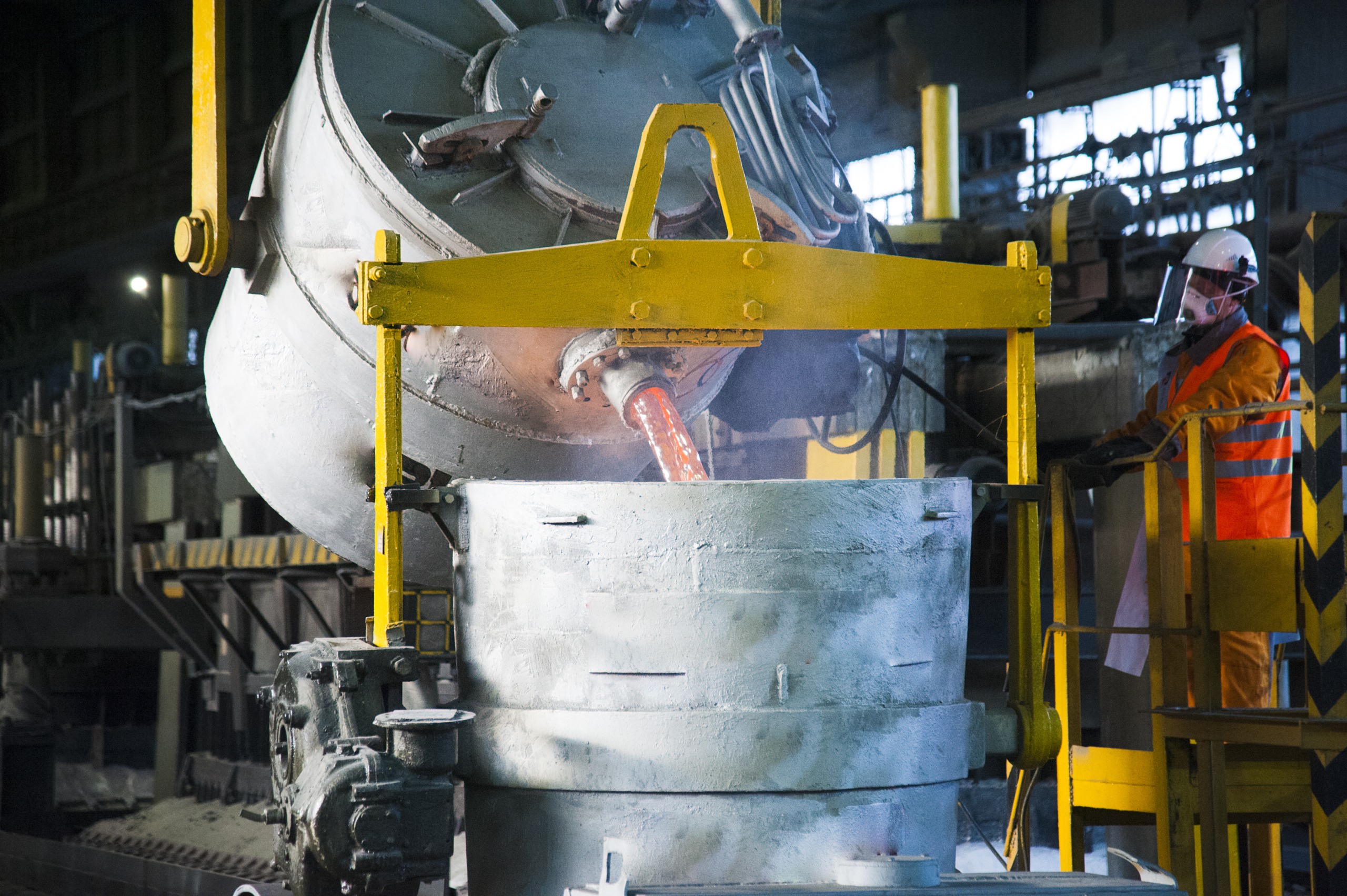
Inside metals plants, power quality is becoming inseparable from automation and process stability. Voltage dips, harmonics, and unstable supply can quickly become production losses rather than electrical footnotes.
The issue also covers super-grid transformers for AI-scale data centres, predictive fault analytics in live power-station operations, and National Grid’s cable installation framework.