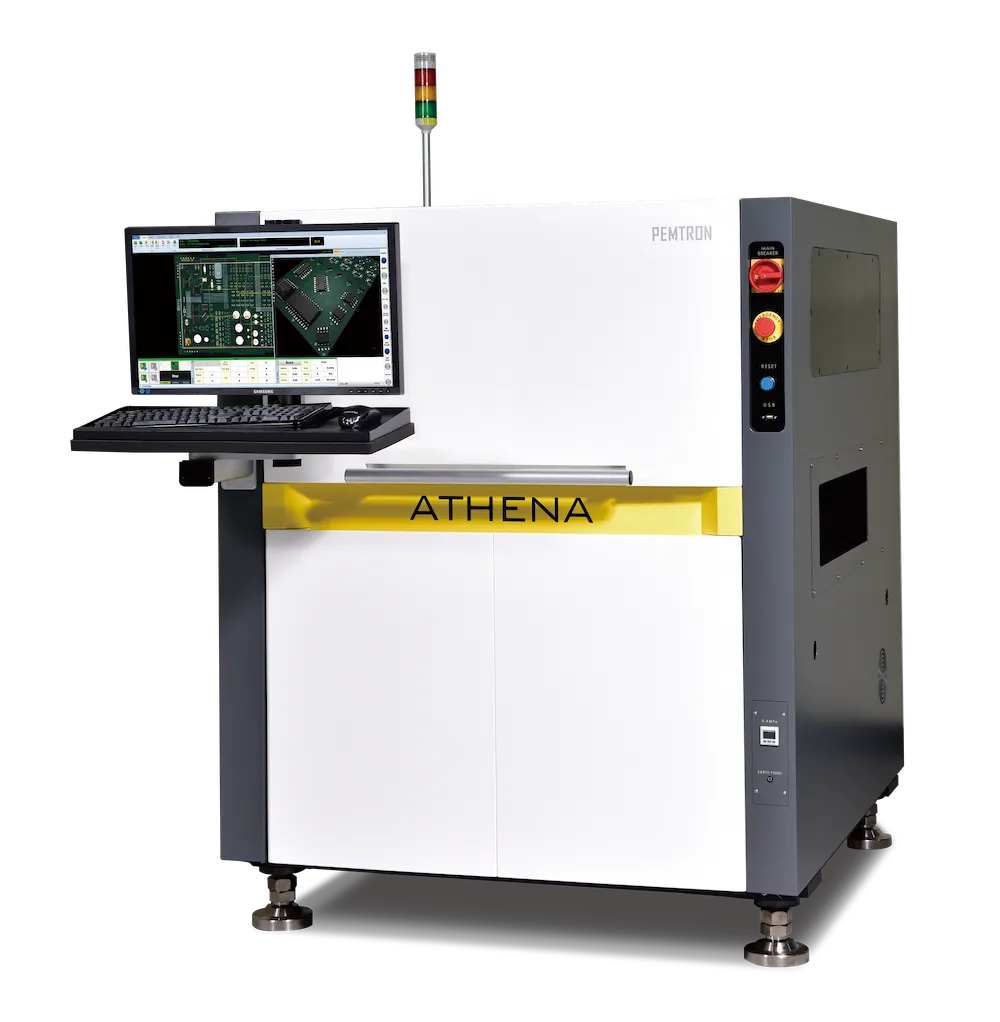
PEMTRON will highlight connected inspection equipment for electronics assembly at the SMTA Querétaro Expo & Tech Forum, with a focus on line-wide process control across SMT manufacturing.
The company will exhibit at the event on 16 July 2026 at the Centro de Congresos y Teatro Metropolitano de Querétaro. Its showcase will centre on inspection systems used around solder paste inspection, automated optical inspection, and X-ray inspection.
Inspection has moved closer to the centre of electronics manufacturing strategy because assemblies are becoming denser, components are becoming smaller, and process margins are narrowing. Defects that once might have been visible through simpler checks can now sit under packages, inside solder joints, or within complex multilayer assemblies.
Connected inspection links data across the line so defects can be traced to process causes rather than detected only as finished board failures. Solder paste volume, placement accuracy, reflow profile, component orientation, solder joint formation, and hidden interconnect quality all influence final yield. When inspection systems operate in isolation, manufacturers may identify the defect without understanding the pattern behind it.
That pattern recognition is where line-wide data has value. Solder paste inspection may show drift, automated optical inspection may identify a repeated component issue, and X-ray inspection may confirm hidden joint defects. When those signals are connected, production teams can make stronger decisions on stencil cleaning, placement calibration, reflow settings, material handling, or operator intervention.
PEMTRON’s focus fits an electronics manufacturing market shaped by complexity, cost control, and shorter customer lead times. EMS providers and OEMs are building more demanding products while managing component risk, labour constraints, and tighter quality expectations. Inspection equipment has to support throughput without allowing defects to escape into high-reliability applications.
Component lifecycle management also sits close to inspection quality. CalcuQuote’s new product change notification capability addresses another part of the manufacturing risk picture, where component changes, obsolescence, substitute parts, and packaging differences can affect assembly behaviour. Inspection data can help manufacturers identify when a material or component change has become a process issue.
Electronics manufacturing is also becoming more geographically distributed. Mexico has grown as a major production hub for North American electronics supply chains, while European and UK manufacturers continue to review sourcing, resilience, and nearshoring options. Regional inspection and process control technologies can influence global production standards when multinational manufacturers align quality systems across sites.
More inspection alone does not solve the problem. Data has to be connected to root cause analysis, corrective action, traceability, and continuous improvement. That requires integration between machines, manufacturing execution systems, engineering teams, and quality procedures. Without that structure, inspection can create more noise rather than better control.
AI and advanced analytics are likely to become more common, but the foundation remains measurement discipline. Inspection algorithms need stable images, lighting, calibration, fixtures, and defect classification. Poor input data will not be rescued by software. Connected inspection still depends on conventional process control, even as analytics become more capable.
Defect prevention is especially important as assemblies move into harsher industrial environments. Products used in automation, power electronics, medical equipment, transport, and infrastructure may face vibration, thermal cycling, humidity, and long service lives. A marginal solder joint that passes initial functional test can still become a field failure. Connected inspection gives manufacturers a better route to detect process drift before it leaves the factory.