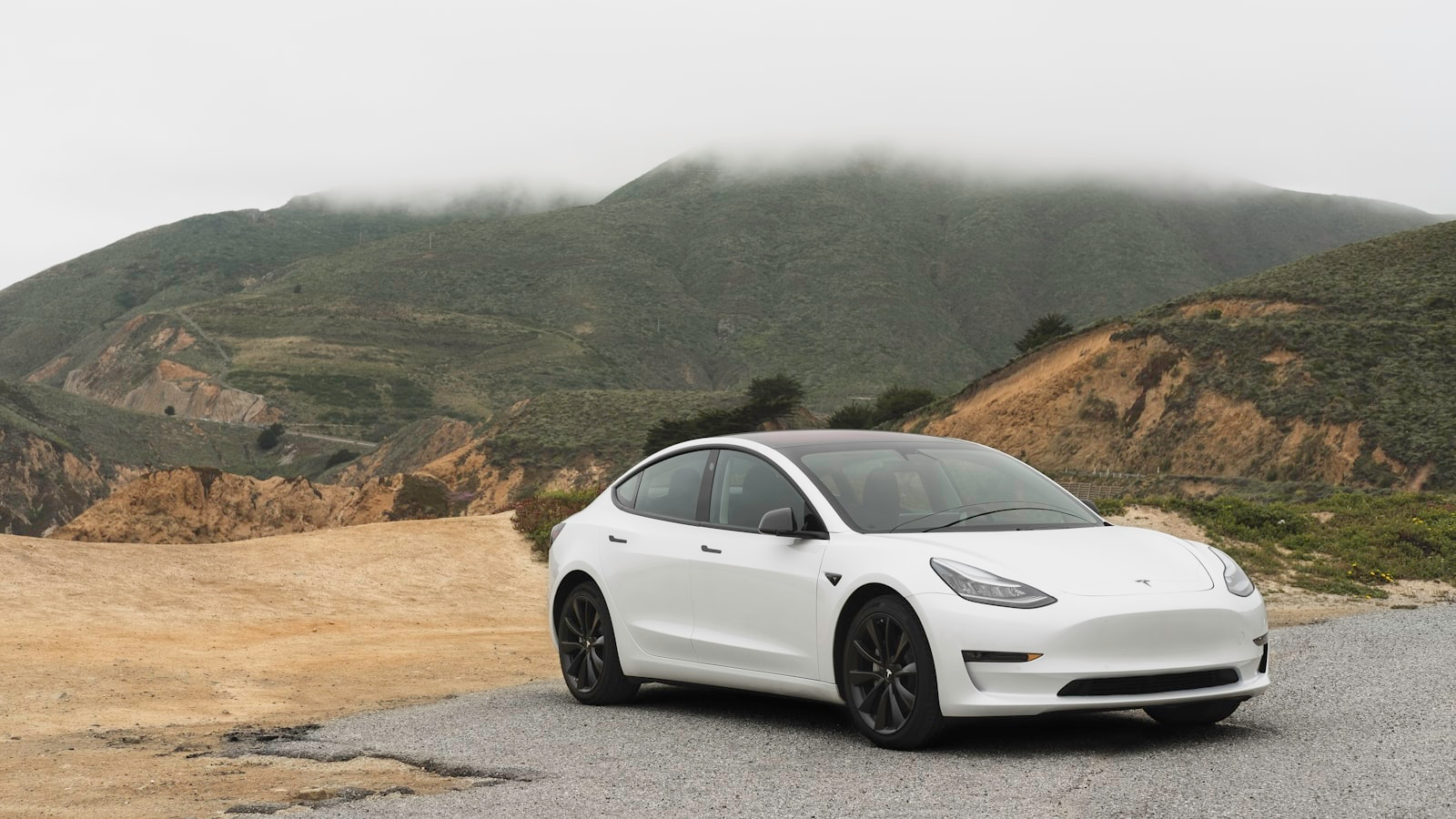
Tesla plans to hire another 1,000 workers at its Grünheide Gigafactory near Berlin as it prepares to increase output at its only European vehicle manufacturing plant.
The recruitment push is intended to support a planned production rise from around 6,000 vehicles per week to 7,500 vehicles per week from October. The new positions follow earlier hiring activity at the site and would lift staffing in vehicle production as Tesla continues to scale Model Y output in Germany.
Grünheide has become central to Tesla’s European strategy because it gives the company local production capacity inside the EU, reducing reliance on imports and shortening delivery routes for a key regional market. The planned output rise would put the plant on a higher annualised production run rate, although still below the long-term capacity ambitions originally associated with the site.
The recruitment plan contrasts with the broader pressure facing parts of the German automotive sector. Established manufacturers are dealing with high costs, weak demand in some segments, software investment, tariffs, plant utilisation issues, and competition from Chinese electric vehicle manufacturers. Tesla’s hiring programme shows that parts of the EV manufacturing base are still expanding even as legacy groups reassess employment and capacity.
Raising output at Grünheide is partly a demand question and partly a manufacturing economics question. Electric vehicle plants depend heavily on scale because body shops, paint shops, battery systems, logistics flows, and labour deployment all become more efficient when output is stable and predictable. A plant running below its designed capacity can carry higher unit costs even when the product remains competitive.
The production ramp will also affect suppliers. Higher weekly output increases demand for stamped parts, castings, electronics, seating, glass, tyres, battery components, thermal systems, logistics, packaging, maintenance services, and consumables. Even vertically integrated manufacturers depend on a surrounding industrial ecosystem, and the stability of that ecosystem affects the plant’s ability to maintain production schedules.
Local assembly also helps Tesla manage tariff risk, support regional content expectations, and operate closer to customers. As Europe considers tougher industrial rules around vehicle production and supply chains, local manufacturing becomes more than a logistics advantage. It becomes part of the company’s market access strategy.
The contrast with legacy automotive restructuring is increasingly visible. Established German carmakers are losing ground through the transition as electrification, software development, and global competition reshape the sector. Grünheide’s expansion plan shows the other side of the same market: manufacturers able to scale EV output efficiently can keep adding capacity even in a difficult environment.
Labour remains central to that equation. Electric vehicles are often discussed through batteries, software, charging networks, and automation, but large vehicle plants still need skilled production workers, maintenance technicians, quality staff, logistics teams, process engineers, and supervisors. Recruitment and retention form part of the manufacturing strategy, not a secondary administrative issue.
Increasing output from 6,000 to 7,500 vehicles per week is operationally demanding. It requires balanced station times, reliable equipment, stable inbound logistics, trained staff, quality control at higher pace, and enough process maturity to avoid compounding small errors across large volumes. A 25% output increase can expose weaknesses in supplier delivery, workforce training, machine uptime, and process control.
The move adds pressure to European EV competition. BYD is nearing a decision on another European plant, while established manufacturers are trying to defend market share and fund their own transition. If Tesla raises output while Chinese manufacturers localise production, legacy groups will face competition from both ends: new entrants scaling locally and domestic rivals restructuring older operations.
Grünheide’s next stage will depend on whether Tesla can convert hiring into stable throughput without quality or labour disruption. The company has a record of rapid manufacturing ramp-up, but European operations have to work within local planning, workforce, environmental, and supply chain conditions. The additional jobs are the visible signal; the production system behind them will decide whether the higher weekly target is sustainable.