CPHI Milan has added four specialist zones to its 2026 event, reflecting the growing weight of digital systems, temperature controlled logistics, labelling intelligence, and contamination control in pharmaceutical manufacturing.
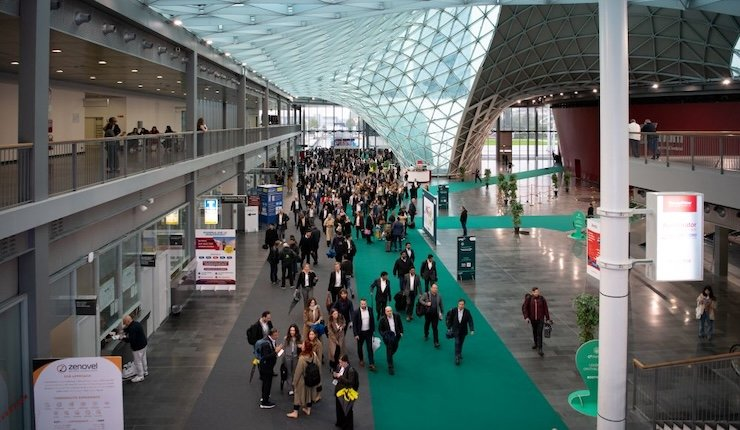
The event will take place at Fiera Milano in Rho, Italy, from 6 to 8 October 2026. The new areas cover AI & Tech, Cold Chain & Logistics, Labelling, and Contamination Control, expanding the exhibition’s focus beyond ingredients, dosage, packaging, and contract services into operational priorities that now sit closer to production decision-making.
The AI & Tech zone will focus on technologies including smart manufacturing, digital twins, predictive analytics, and AI-supported drug development. These systems are moving from isolated digital projects into direct contact with manufacturing decisions, quality assurance, production planning, and process optimisation.
The Cold Chain & Logistics zone will address temperature controlled logistics, packaging, monitoring, and transport solutions. Biologics, cell and gene therapies, temperature sensitive medicines, and complex clinical supply chains are all placing tighter demands on visibility and stability from production through distribution.
Labelling is also becoming more technically demanding as traceability, anti-counterfeit measures, packaging intelligence, serialisation, regulatory updates, and product information management become part of routine compliance. A labelling error can create quality, recall, market access, and patient safety problems, especially where products move across multiple regulatory jurisdictions.
The Contamination Control zone will focus on cleanroom technologies, monitoring, controlled manufacturing environments, and sterile production compliance. Manufacturers operating under Annex 1 and global GMP expectations are under continued pressure to strengthen contamination control strategies, environmental monitoring, personnel discipline, and process design.
The Milan expansion arrives during a period of investment and consolidation across medical and pharmaceutical manufacturing. Sanner’s integration of UK medtech design capability and H.B. Fuller’s £715m agreement for Advanced Medical Solutions both show how regulated product design, manufacturing control, and scale are becoming more closely connected.
Pharmaceutical manufacturing is being reshaped by product complexity. Small molecule production remains important, but growth in biologics, advanced therapies, personalised medicine, and high-value sterile products requires more sophisticated control of environments, data, materials, and logistics. Plant performance is increasingly judged on quality discipline, documentation, responsiveness, and supply integrity as much as output volume.
AI and digital technologies will attract attention because production teams are searching for better ways to use process data. Predictive maintenance, deviation analysis, batch record review, scheduling, demand forecasting, quality analytics, and digital twins all offer potential value, though deployment remains constrained by data quality, validation requirements, cybersecurity, workforce skills, and regulatory acceptance.
Cold chain systems are equally practical. Temperature excursions can compromise product value quickly, particularly in therapies with narrow stability windows. Packaging design, sensor reliability, lane qualification, contingency planning, and logistics partner performance all affect whether a product remains within specification.
Contamination control remains one of the most consequential areas of pharma manufacturing. Facilities need well-designed air handling, cleanroom discipline, gowning controls, environmental monitoring, validated cleaning, personnel training, and robust deviation management. Equipment suppliers are responding with modular cleanrooms, monitoring systems, sterile transfer technologies, and automation designed to reduce human intervention.
By creating dedicated zones, CPHI Milan is organising its 2026 event around the operational constraints now driving capital investment. Pharma manufacturing is becoming more digital, more regulated, more logistics-sensitive, and more dependent on specialist infrastructure. Suppliers able to connect those requirements across equipment, software, packaging, and compliance will be better placed than those offering isolated products alone.