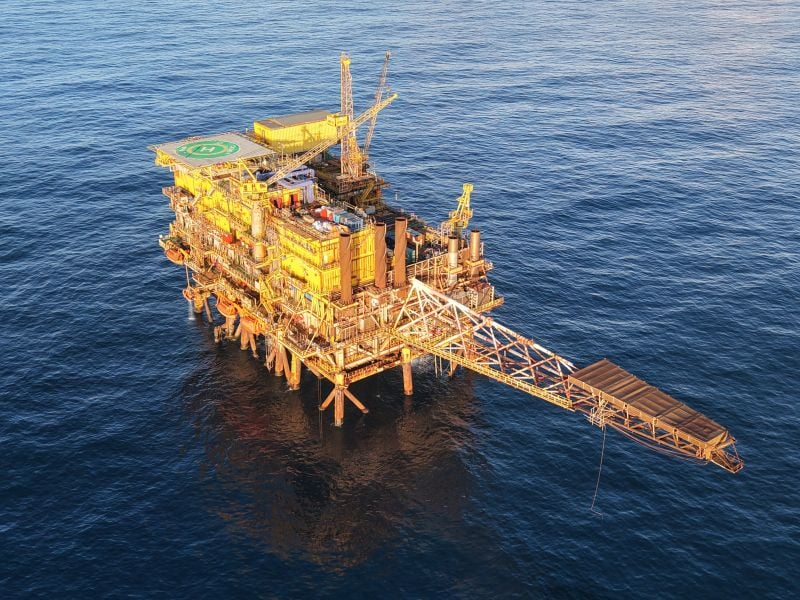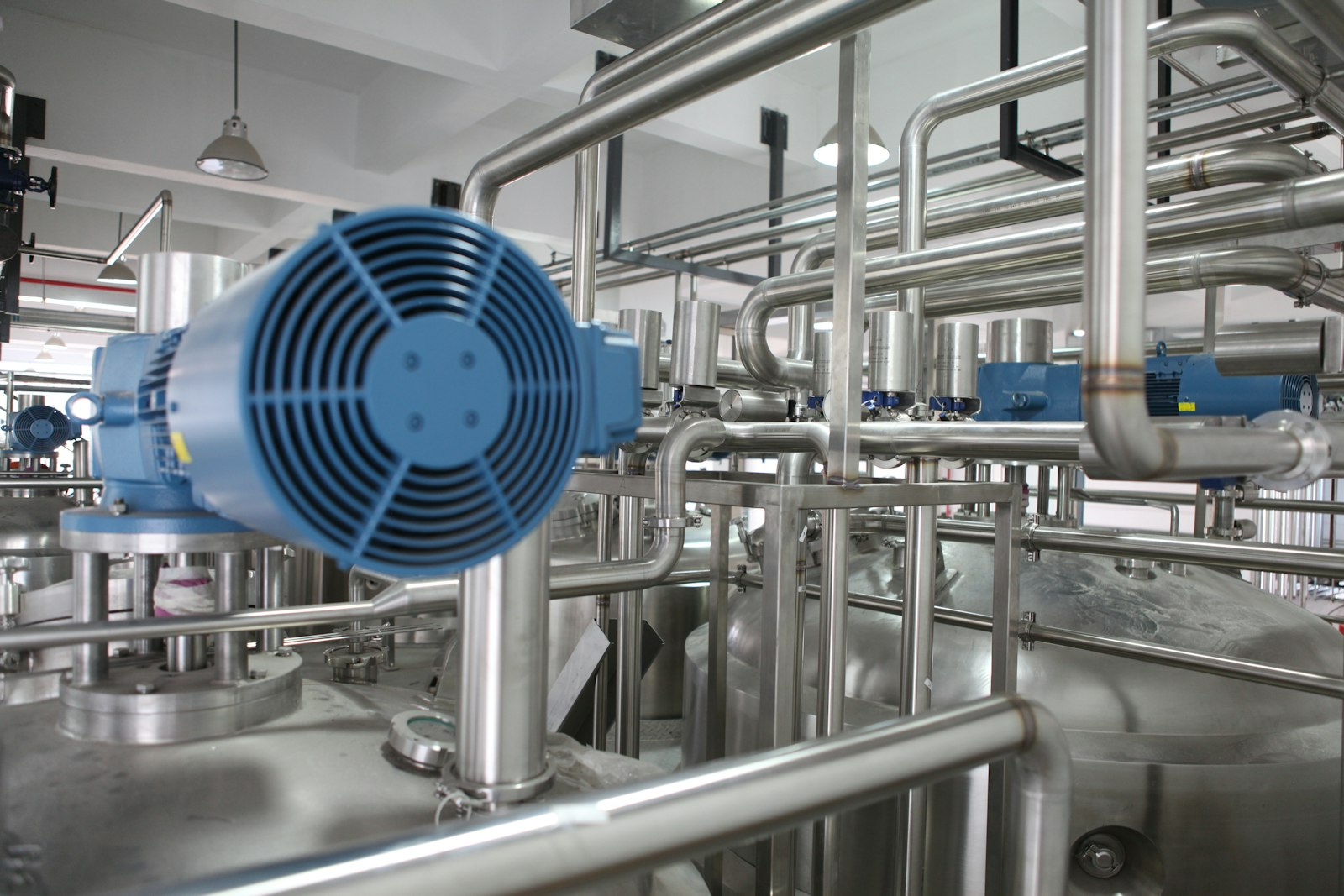
Panametrics, a Crane Company business, has launched the PanaFlare XGF1100 ultrasonic flare transmitter for flare and vent gas applications across oil and gas, chemical, petrochemical, refining, LNG, and other process industries.
The transmitter is designed to provide real-time flare measurement across varying flow velocities and gas compositions. It provides continuous performance data including net heating value, combustion efficiency, and destruction removal efficiency, giving operators a clearer view of flare performance and emissions-related operating conditions.
The XGF1100 introduces sub-second response time, improved refresh rates, enhanced timing resolution, and flexible multi-path configurations of up to four channels. It also includes basic computational fluid dynamics correction and compressibility compensation, intended to improve measurement accuracy in complex installation and operating conditions. As an ultrasonic device, it has no moving parts, minimal maintenance requirements, and limited or no pressure drop.
Flare systems remain a critical part of process plant safety. They allow controlled combustion of gases during upset, maintenance, startup, shutdown, and pressure relief events. Operators are now under much tighter pressure to reduce emissions, prove combustion efficiency, and demonstrate regulatory compliance. Measurement systems that once supported basic flow indication are increasingly expected to provide actionable operating data.
Real-time measurement of flow and gas composition can help operators understand whether flare systems are operating efficiently, whether assist gas or steam is being used effectively, and whether combustion conditions support environmental obligations. When combined with Panametrics’ flare.IQ advanced control solution, the transmitter can support flare optimisation and emissions management across more demanding operating profiles.
The launch fits a wider pattern in process engineering, where measurement quality and equipment reliability are becoming central to plant performance. Process reliability at Cornish Lithium’s production environment has already shown how equipment choices influence uptime, chemical compatibility, and operational control. In flare systems, instrumentation performs a similar function by giving operators the evidence needed to manage a safety-critical and environmentally sensitive process.
Complex flare measurement is difficult because flow can be unsteady, gas composition can vary, and pipe conditions may not be ideal. Low flow, high flow, changing molecular weight, moisture, entrained liquids, temperature variation, and installation geometry can all affect measurement quality. Multi-path ultrasonic systems and correction models are designed to reduce those uncertainties, although careful installation and maintenance remain essential.
Better flare data can also support operational efficiency by reducing unnecessary assist media, identifying abnormal events, and improving root cause analysis after upsets. It gives environmental and operations teams a shared evidence base, reducing disagreement between what the plant experienced and what monitoring systems recorded.
Emissions reporting is becoming more data intensive. Regulators, investors, customers, and local communities increasingly expect process plants to account for routine and non-routine emissions with greater precision. Manual estimates and sparse instrumentation are less defensible where digital monitoring technologies can provide faster and more detailed evidence.
The XGF1100 also reflects the way process control is extending into systems once treated primarily as safety infrastructure. Flares still have a protective function, but they now sit within broader plant optimisation, carbon reduction, and environmental compliance strategies. Measurement, control, and analytics are being layered onto equipment that must remain dependable under abnormal conditions.
Accurate flare measurement will not remove the need for process improvements that reduce flaring at source. It does, however, give operators a stronger basis for controlling and documenting events when flaring is required. In regulated process industries, that evidence is becoming part of the operating envelope.