Constant Group has secured a contract with Openreach to design and manufacture engineering systems for the telecoms operator’s Exchange Exit programme.
The Oldham-based manufacturer will support the migration of fibre circuits from traditional exchange buildings into external enclosures, supplying plug-and-play systems for deployment across the UK telecoms network. The contract places precision sheet metal fabrication, enclosure engineering, and infrastructure manufacturing inside one of the largest changes to Britain’s fixed-line communications estate.
Openreach’s Exchange Exit programme forms part of the wider transition away from copper-based services and legacy telephone exchange buildings as fibre and digital infrastructure replace older public switched telephone network systems. The company has previously set out plans to decommission thousands of exchange sites over the coming years, with early closures showing how services can move into a more distributed network model.
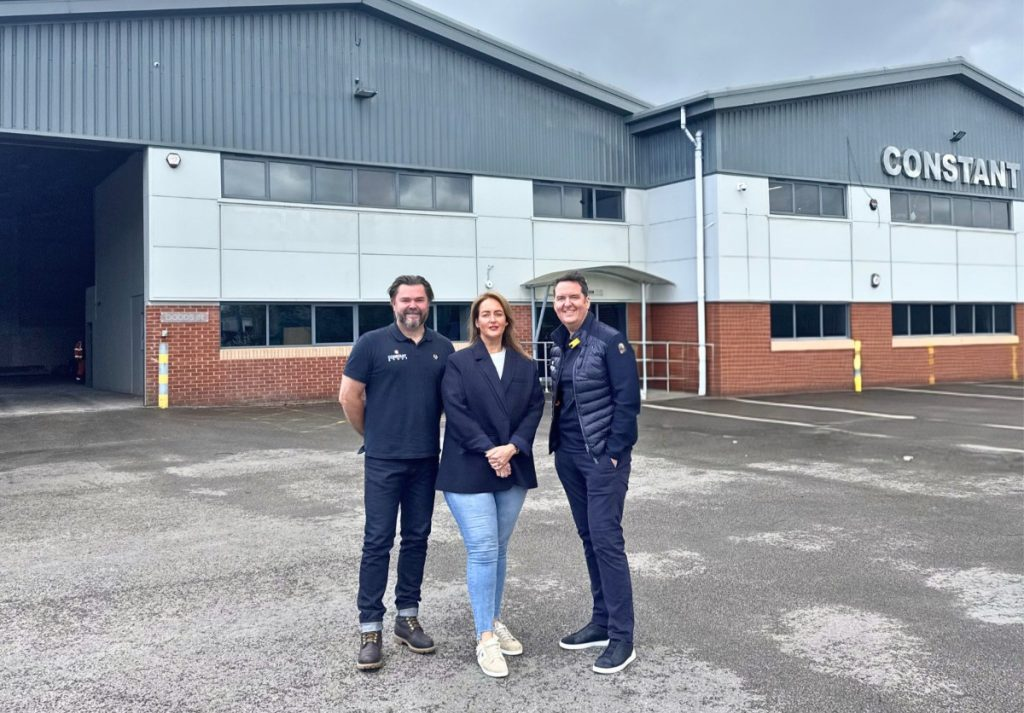
Constant Group brings established capability in cabinets, enclosures, and fabricated systems for telecoms and utility customers. The company operates from an 80,000 sq ft manufacturing site in Oldham and provides sheet metal fabrication, assembly, finishing, and project support from a single location. The Openreach contract will require systems that can be manufactured consistently, installed efficiently, and survive external operating conditions over long service lives.
Telecoms infrastructure is often discussed in terms of broadband speeds, digital inclusion, and service migration, but the physical engineering base is just as important. Moving functionality out of traditional exchange buildings changes the technical burden placed on external equipment. Enclosures have to protect electronics, fibre management hardware, power systems, batteries, cooling equipment, security hardware, and access points from weather, vandalism, temperature variation, dust, moisture, and maintenance handling.
That creates a manufacturing problem more demanding than a simple metal cabinet. Enclosure design must balance thermal performance, ingress protection, corrosion resistance, electromagnetic compatibility, physical security, cable access, field-service ergonomics, and transportability. A system that is easy to manufacture but awkward to install will slow deployment. A system that is easy to deploy but weak in environmental performance will create service risk over time.
The contract also shows how legacy infrastructure transitions create work for manufacturers outside the most visible technology layer. Fibre networks depend on optical equipment, switches, routers, software, and network control systems, but they also require fabricated structures, mounting frames, power distribution, cable management, locks, hinges, seals, coatings, fasteners, and documentation. When deployed at national scale, those components become part of a repeatable industrial programme.
The Exchange Exit programme is designed to reduce operating cost, simplify network architecture, and remove dependency on buildings designed for an analogue and copper era. Traditional exchanges were built around equipment footprints, maintenance practices, and service models that no longer match a fibre-based network. Moving equipment into external systems can reduce property dependency, provided the replacement infrastructure is robust enough to support service continuity.
The contract gives a domestic manufacturing business a role in national infrastructure modernisation. Telecoms rollouts often lean heavily on imported electronics and global supply chains, but enclosure systems, fabricated assemblies, and deployment hardware can still be made close to the end market where design, logistics, and service requirements are tightly linked.
Local production can also support design iteration. A national programme rarely proceeds without lessons from field installation. Cable routes, access requirements, ground conditions, thermal loads, installation constraints, and maintenance feedback can all affect later design versions. A manufacturer able to engineer, fabricate, assemble, and adapt products under one roof has an advantage when infrastructure customers need controlled change rather than distant batch supply.
The work will also place demands on manufacturing repeatability. External network enclosures are not glamorous equipment, but failure carries real service consequences. Poor sealing, coating defects, weak hinges, inadequate ventilation, or inconsistent assembly can become operational faults once thousands of units are installed. Quality control therefore has to cover both the visible fabricated structure and the smaller details that determine long-term reliability.
Openreach’s network migration is fundamentally a digital infrastructure programme, but Constant Group’s role shows the continuing importance of physical engineering. Fibre networks still need engineered assets in the ground, at the roadside, and across distributed service points. As legacy exchanges are closed, the quality of those assets will help determine whether the UK’s digital network modernisation is dependable in operation rather than only neat on a rollout plan.