Johnson Matthey has been selected by Phelan Green Hydrogen to provide catalyst technologies for a planned electro sustainable aviation fuel facility in Saldanha Bay, South Africa, with output intended for EU and UK markets.
The eSAF 1 project forms part of the wider Phelan Green Hydrogen development and is expected to begin construction by the end of 2026. The first phase is planned to produce around 35,000 tonnes of e-SAF a year, while the full development is expected to reach approximately 140,000 tonnes annually.
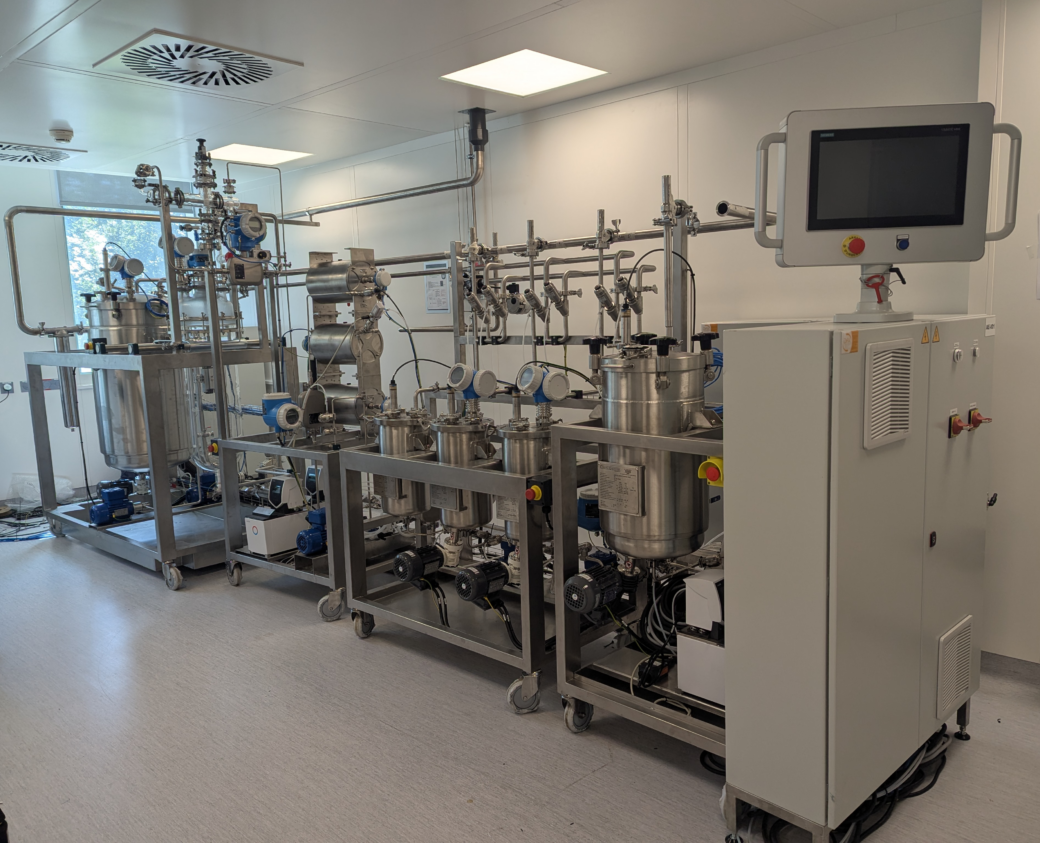
Johnson Matthey’s selected technology combines its HyCOgen process with FT CANS, a Fischer-Tropsch technology jointly developed and co-owned with bp. HyCOgen uses a catalysed process to convert carbon dioxide and electrolytic hydrogen into carbon monoxide. That carbon monoxide is then combined with further hydrogen to form syngas, which is converted into synthetic crude oil before upgrading into synthetic paraffinic kerosene.
The first phase is intended to supply EU and UK aviation fuel markets and could represent up to 6% of mandated e-SAF volumes for 2030, subject to regulatory and verification requirements. That places the project within the industrial build-out needed to turn sustainable aviation fuel mandates into physical production capacity.
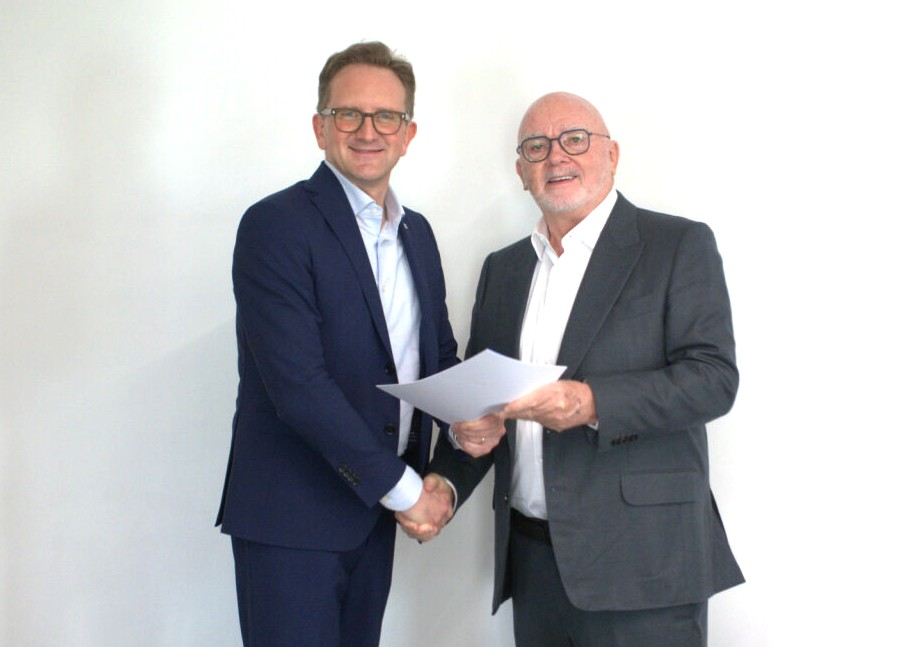
Alberto Giovanzana, CEO of Johnson Matthey Catalyst Technologies, said: “Phelan Green’s plans for an eSAF facility in the Western Cape are a landmark project. It will be one of the world’s first commercial-scale eSAF facilities and a clear signal that SAF can scale today. It also marks Johnson Matthey’s first deployment of HyCOgen and FT CANS in Africa.”
Sustainable aviation fuel has moved beyond a policy discussion into a process engineering challenge. Airlines, fuel suppliers, airports, and governments are looking for credible routes to mandated volumes, but chemistry alone does not create a market. Projects need reliable renewable power, electrolyser capacity, carbon dioxide supply, fuel upgrading, certification, storage, logistics, and long-term offtake confidence.
South Africa offers renewable energy potential and port access, while the intended market lies in Europe and the UK. Early e-SAF supply chains are likely to develop in this way, with projects emerging where renewable resource, land, and industrial infrastructure are favourable, and finished product moving into regions where regulation creates demand.
Johnson Matthey’s role places UK process technology inside a developing fuels chain that connects chemicals, hydrogen, carbon capture, refining, aviation, and certification. As low-carbon fuels move towards commercial deployment, competitive advantage will sit with companies able to turn chemistry into licensed, engineered, and supportable process systems.
The project also reflects the limits of near-term aviation electrification. Battery electric aircraft may serve specific routes, and hydrogen aircraft remain under development, but long-haul aviation continues to depend on liquid fuels with high energy density. Drop-in synthetic fuels therefore carry strategic weight because they can use existing aircraft and fuel infrastructure while reducing lifecycle carbon intensity, provided the upstream energy and carbon inputs meet the required standards.
Commercial e-SAF still faces significant cost and scaling challenges. Electrolyser performance, renewable power contracts, carbon dioxide sourcing, water management, plant integration, project finance, and fuel certification will all shape production economics. Johnson Matthey’s selection marks progress for the technology route, while the larger test will be execution: building the facility, proving stable operation, verifying fuel quality, and delivering repeatable production volumes for a market now being shaped by regulation as much as by voluntary demand.