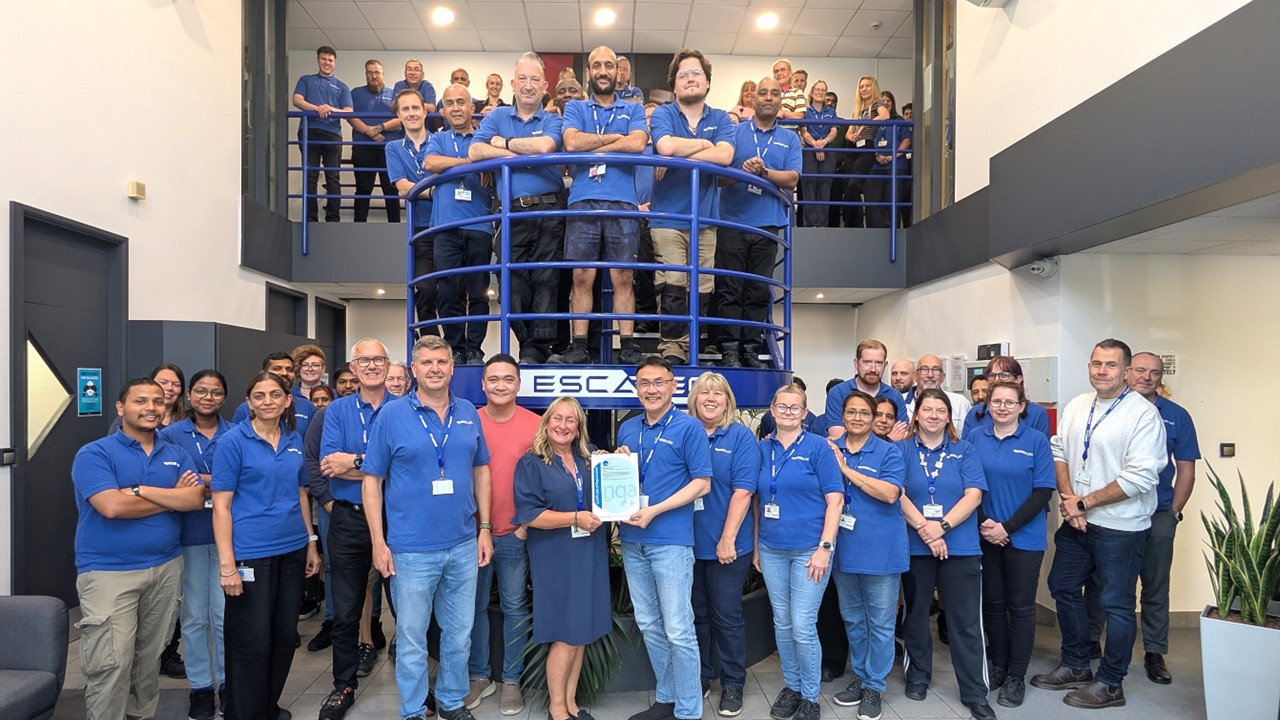
ESCATEC has achieved ISO 13485:2016 certification at its UK manufacturing facility in Lutterworth, expanding the electronics manufacturing services group’s certified capability for medical device and healthcare OEMs.
The approval strengthens ESCATEC’s ability to support medical device manufacturing across its global production network while maintaining consistent quality and regulatory compliance. The UK site has also been supported by investment in surface-mount technology capability and medical-grade cleanroom infrastructure, giving the facility a stronger position in regulated healthcare electronics production.
ISO 13485 is a quality management standard specific to medical devices. Electronics manufacturers serving the sector use the standard to support risk management, traceability, process control, documentation, supplier oversight, validation, corrective action, and controlled product realisation.
The Lutterworth approval gives OEMs a UK manufacturing option for products moving from development into production, transferring between regions, or scaling across a wider manufacturing network. Medtech electronics increasingly combine printed circuit board assemblies, sensors, connectivity, firmware, displays, user interfaces, batteries, housings, and software-dependent functionality, which increases the manufacturing burden as products move toward regulated supply.
Healthcare electronics is becoming more complex at the same time as demand for supply resilience increases. OEMs need manufacturing partners able to support design transfer, controlled production, regulatory documentation, repeatable testing, and lifecycle changes without weakening compliance. Contract manufacturers can win significant work in the sector, but the operating discipline is demanding and unforgiving.
The UK certification also gives ESCATEC more flexibility across its global network. Medical device companies often need regional manufacturing support alongside access to larger-scale production capacity in other markets. A certified UK site can support development, production transfer, regional supply, and controlled scale-up while remaining connected to the group’s wider manufacturing footprint.
Medical electronics manufacturing is shaped by constant tension between innovation speed and regulatory control. Start-ups and established OEMs may need to move quickly as clinical requirements, user feedback, reimbursement routes, and competitive pressure change. Manufacturing systems, however, must remain controlled. Changes to materials, components, suppliers, process parameters, test methods, or software interfaces can all create documentation and validation requirements.
Certification and cleanroom investment therefore carry practical weight. Device performance is only one part of the production challenge. Repeatability, contamination control, material compatibility, component traceability, and inspection discipline can determine whether a product can be scaled safely and commercially. A prototype that works still has to be built under conditions that satisfy regulators, clinicians, customers, and supply-chain auditors.
Medical device scale-up is often constrained by recurring production reliability rather than product concept alone. Capacity expansion around ViCentra’s Kaleido consumables platform shows how growth in medical technology can depend on repeatable manufacturing systems as much as on the core device. Electronics-based medical devices face a similar constraint, with commercial success tied to consistent production, secure component supply, and sustained quality performance over repeated batches.
Component volatility adds another layer of pressure. Medical devices can have long lifecycles, while the electronics supply chain often moves through rapid component revisions, end-of-life notices, allocation cycles, and technology shifts. Contract manufacturers serving healthcare need obsolescence management, approved alternatives, requalification discipline, and long-term supplier relationships. These capabilities rarely appear in product marketing, but they are central to continuity of supply.
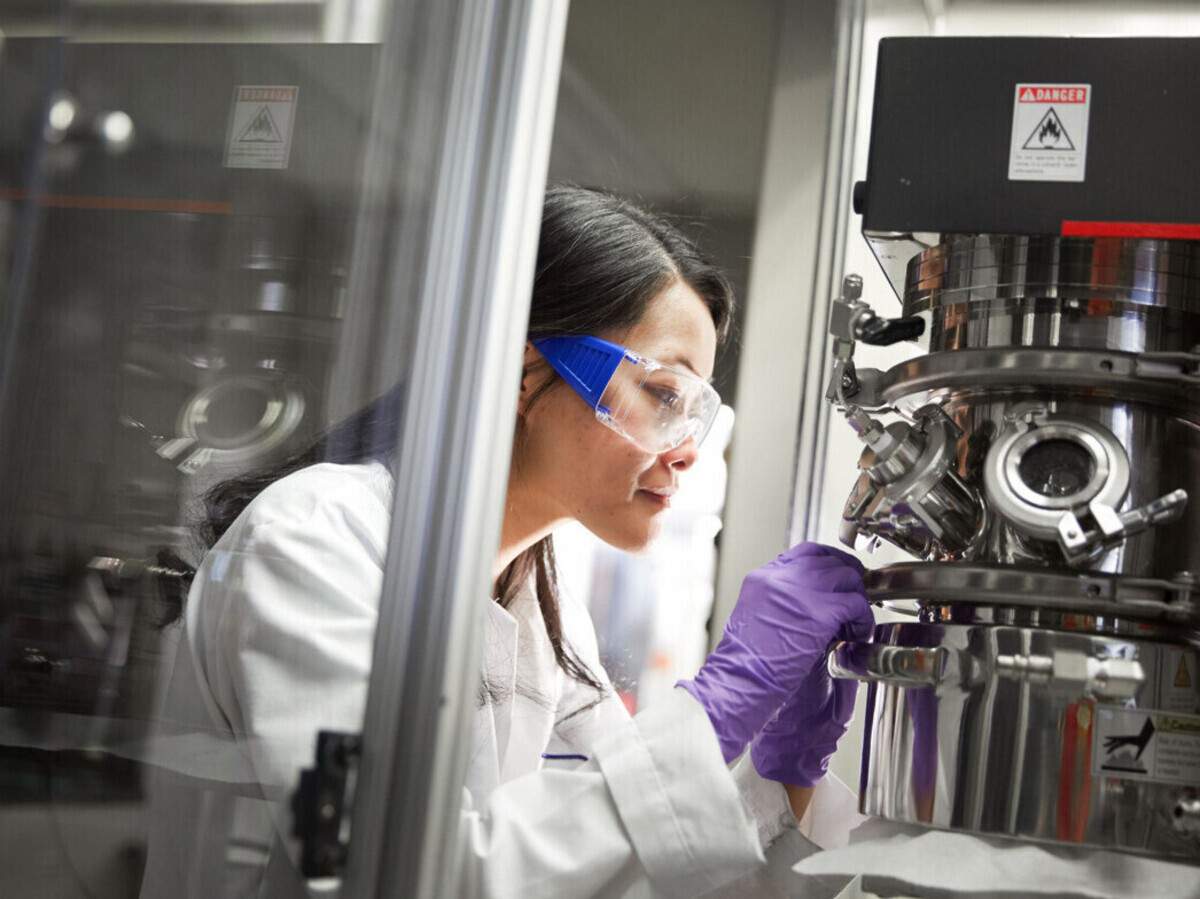
Cleanroom and SMT capability also matter as devices become smaller, more wearable, and more integrated. Assembly processes can demand tighter control over contamination, handling, moisture sensitivity, soldering quality, and inspection. The boundary between conventional electronics manufacturing and medical-grade manufacturing is becoming less forgiving, particularly in diagnostics, drug delivery, monitoring, and patient-connected devices.
The UK has established strengths in design engineering, diagnostics, digital health, regulatory expertise, and specialist manufacturing. Retaining production value requires certified capacity able to support OEMs beyond early development and engineering builds. A stronger certified EMS base gives product companies more options when moving into regulated production.
ESCATEC’s ISO 13485 certification at Lutterworth broadens the group’s proposition and increases the strategic role of the UK facility. The operational value lies in combining electronics production, cleanroom handling, documentation, and global transfer capability under a controlled system. In medtech manufacturing, certificates open the door, but batch-by-batch discipline determines whether the capacity becomes a reliable supply route.