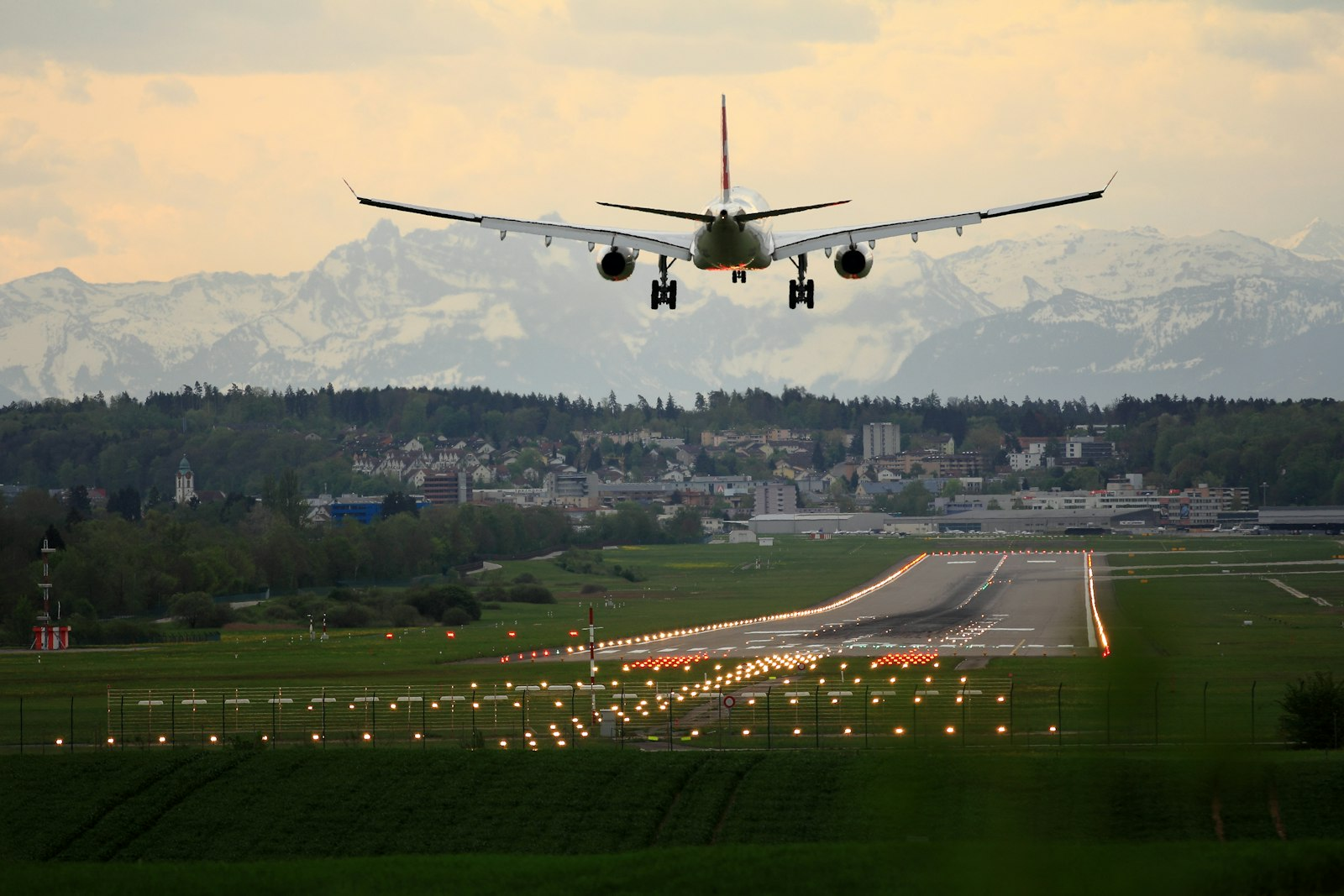
Collins Aerospace has opened an expanded manufacturing facility in Tajęcina, Poland, increasing production capacity for aircraft landing gear systems across commercial and defence programmes.
The $69 million investment expands the site to 22,000 square metres and is expected to increase landing gear system production capacity by nearly 25%. The project will also create around 190 jobs this year, adding to RTX’s wider aerospace and defence manufacturing footprint in Poland.
The Tajęcina facility produces and supports main, nose, and wing landing gear assemblies, with work also linked to Collins’ Krosno operations. Landing gear is a high-load, safety-critical system that demands tight control over materials, machining, inspection, assembly, surface treatment, documentation, and lifetime reliability. Additional capacity in this part of the supply chain feeds directly into aircraft production schedules.
The expansion sits within a broader RTX investment programme in Poland. Pratt & Whitney has also announced a $100 million investment at its Rzeszów facility to expand production of critical engine components, including rotating compressor and turbine disks used in GTF, F135, and F100 engine programmes. That project is expected to increase output by 30% and become operational by 2028.
Poland is now RTX’s largest employee base and investment footprint outside the United States. The group employs more than 9,400 people across its Collins Aerospace, Pratt & Whitney, and Raytheon businesses in the country, with nine major engineering, manufacturing, maintenance, and research and development facilities supporting commercial and military programmes.
The investment follows a wider capacity-building pattern across aerospace manufacturing, including SAM NI’s £10 million expansion in Northern Ireland. Across the sector, output is increasingly constrained by qualified production capacity, inspection resources, skilled labour, and the ability of suppliers to move parts through certified manufacturing systems without delay.
The pressure is visible across civil and defence aerospace. Commercial aircraft manufacturers continue to work through order backlogs while suppliers rebuild from earlier disruption. Defence demand is rising at the same time, drawing on many of the same materials, machining skills, heat-treatment capability, testing processes, and documentation systems. Landing gear production sits directly inside that overlap because it serves both commercial airframes and military aircraft.
Landing gear systems are technically demanding. They must absorb high loads during take-off, landing, taxiing, braking, and ground manoeuvres, while operating reliably across temperature, corrosion, fatigue, shock, and maintenance cycles. Weight reduction, surface durability, hydraulic performance, bearing integrity, and maintainability all affect aircraft economics and operational availability.
Increasing production capacity is therefore not only a matter of adding floor space. Aerospace manufacturers need qualified equipment, trained operators, approved processes, inspection systems, and supplier control. Any expansion must preserve traceability and certification discipline. A landing gear part that is machined quickly but held up in inspection, documentation, or customer approval does not help final assembly.
The Polish investment also shows how aerospace supply chains are being regionalised around skilled industrial clusters. Poland has developed a strong aerospace base over several decades, particularly around Rzeszów and south-eastern industrial regions. International manufacturers have used that base for engine components, structures, systems, maintenance, and engineering work, supported by technical skills and links into European supply chains.
Deeper investment in Poland gives RTX additional production resilience outside the United States while maintaining a strong position inside NATO and European aerospace markets. The expansion supports high-value employment, technical skills, and Poland’s position as a major aerospace manufacturing location. Those outcomes align with wider European efforts to build defence-industrial capacity and strengthen supply security.
The project’s value will be measured in repeatable output. Aerospace production programmes are less concerned with announced capacity than with qualified delivery, controlled processes, and reliable schedules. The Tajęcina expansion gives Collins more room and resources to increase landing gear throughput, but the operational test will be whether it can support rising demand while maintaining the quality and reliability standards expected of safety-critical aircraft systems.