Flex and Teradyne Robotics have expanded their collaboration to scale intelligent automation across global manufacturing, broadening a long-standing relationship in semiconductor equipment into a wider factory-automation partnership.
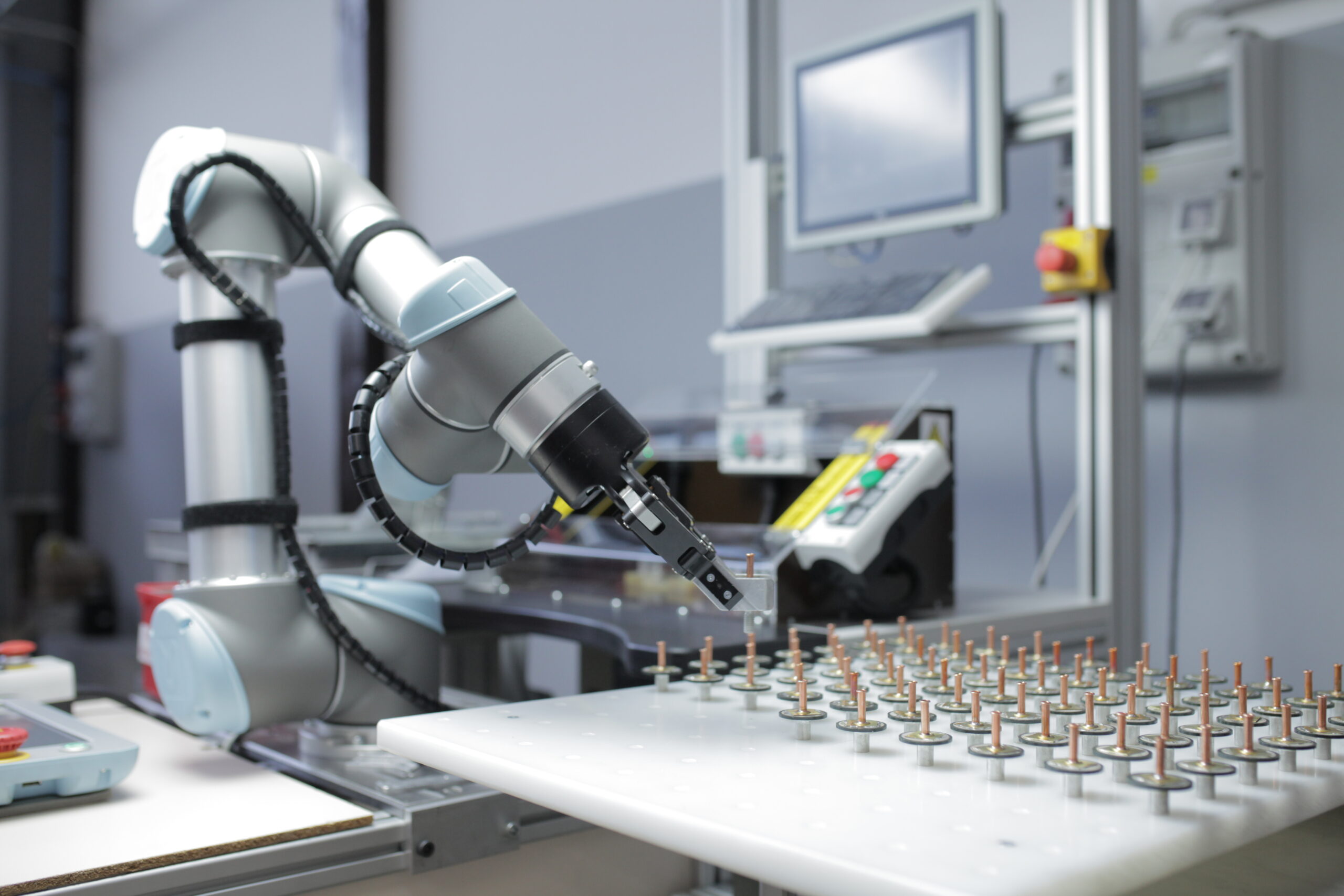
Under the expanded arrangement, Flex will continue manufacturing key components for Universal Robots while also deploying Universal Robots cobots and Mobile Industrial Robots autonomous mobile robots inside its own production environments. The companies said this combination of component manufacturing and live deployment provides a tighter operational feedback loop, allowing automation workflows to be tested in real manufacturing conditions and replicated more quickly across facilities.
Flex already supports Teradyne with advanced manufacturing, systems integration, and global supply chain execution for semiconductor test platforms used across electronics and semiconductor production. Extending the relationship into robotics places that existing manufacturing base alongside in-house use of collaborative and mobile automation systems across Flex operations.
Dennis Kirkpatrick, president of lifestyle, consumer devices, and core industrial at Flex, said the expansion builds on more than 20 years of collaboration between the companies. Rodrigo DallOglio, president of operational excellence and transformation at Flex, said the closer relationship would support the scaling of intelligent automation in increasingly complex manufacturing environments serving electronics, industrial equipment, and data centre infrastructure.
Teradyne Robotics said the collaboration also supports development of next-generation automation applications incorporating physical AI technologies designed to make cobots and AMRs more adaptive in variable production settings. Jean-Pierre Hathout, president of the Teradyne Robotics Group, said Flex’s manufacturing scale and supply chain capabilities made it a strong partner for advancing robotics adoption across global manufacturing.
Manufacturers are increasingly looking beyond isolated pilot cells towards automation programmes that can be standardised across sites, operators, and product mixes. The expanded Flex-Teradyne Robotics partnership is structured around that requirement, linking equipment production, factory deployment, and process feedback more closely inside the same relationship.