Ocado, a pioneer in online grocery technology, continues to redefine grocery automation with its advanced robotics and software systems. Partnering with major retailers such as Morrisons in the UK, Kroger in the U.S., and Sobeys in Canada, Ocado’s platform integrates cutting-edge engineering with intelligent data systems to ensure swift, accurate, and sustainable grocery deliveries.
The company’s customer fulfilment centres (CFCs) aim to deliver every order within a one-hour slot, maintaining a 99% on-time dispatch rate and 99% order accuracy. To achieve this, every stage of the process, from item picking to van loading, must function seamlessly.
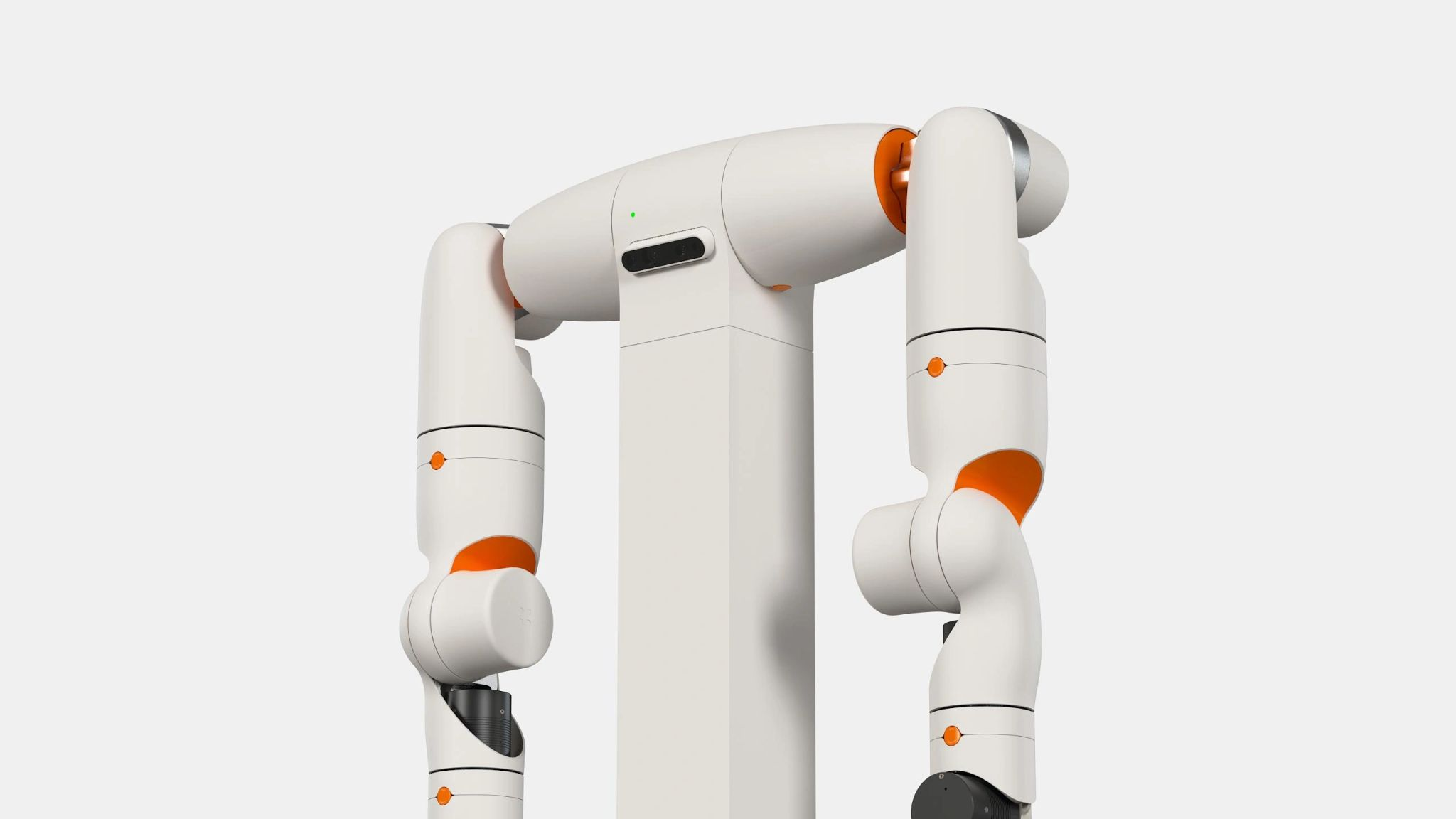
For two decades, the task of lifting heavy totes onto van frames—each weighing up to 20 kilograms—was manual. Ocado has now automated this laborious task with the Automated Frame Loader (AFL), powered by Beckhoff control technology. Cliff Bailey, Ocado Intelligent Automation’s new propositions director, emphasised the AFL’s ability to handle the physical demands previously required of human workers, improving both precision and speed.
The AFL can load up to 350 totes per hour onto van frames without human intervention, eliminating a physically taxing role and ensuring consistent accuracy and speed. This innovation is crucial for Ocado’s on-time delivery promise, operating continuously for up to 20 hours a day and dynamically scaling throughput based on order volumes.
Beckhoff’s integrated automation and control platform drives the AFL, with each unit equipped with a Beckhoff C6017 Industrial PC. The IPC coordinates AFL motion, handling control and functional safety within a single system. This setup ensures precise and reliable operations, even when frames are imperfectly aligned.
Ocado chose Beckhoff for its flexibility, scalability, and open system architecture. The Beckhoff platform, with its EtherCAT communication standard and TwinSAFE safety system, provides integrated functional safety and deterministic control. This allows seamless integration of vision systems, ensuring precise tote placement.
The AFL’s design process involved close collaboration between Ocado and Beckhoff. Ocado’s engineering team worked directly with Beckhoff experts to standardise the platform for the AFL, resulting in an intuitive system architecture that facilitated easy integration with minimal co-integration complexity.
Safety and reliability are paramount in high-throughput facilities. The TwinSAFE system consolidates all safety functions into the same network running standard I/O, reducing wiring complexity and latency. This ensures that safety is an integral part of the AFL’s operations, not an afterthought.
Ocado’s global operations benefit from Beckhoff’s remote software deployment capabilities, allowing updates and adjustments to be made from the UK to sites worldwide. This reduces downtime and maintains consistency across facilities.
Cybersecurity remains a critical focus for Ocado, with Beckhoff’s platform integrating seamlessly into Ocado’s cybersecurity framework. This compatibility ensures secure data exchange between the AFL and the broader warehouse management network.
Looking ahead, Ocado plans to extend its automation technology beyond grocery, exploring applications in pharmaceuticals and clothing. The AFL, with its Beckhoff technology, provides a modular foundation for these ventures, allowing for scalable and efficient machine design.
At Ocado’s Luton site, one of the most advanced CFCs, automation has revolutionised grocery fulfilment, handling up to 65,000 orders weekly with 99% on-time dispatch. Beckhoff technology is central to this success, enabling a fully automated path from supplier to doorstep.
Bailey concluded, “Beckhoff’s technology is crucial to delivering our promise of accuracy, reliability, and on-time delivery. It is fundamental to making convenient and sustainable online grocery deliveries a reality.”