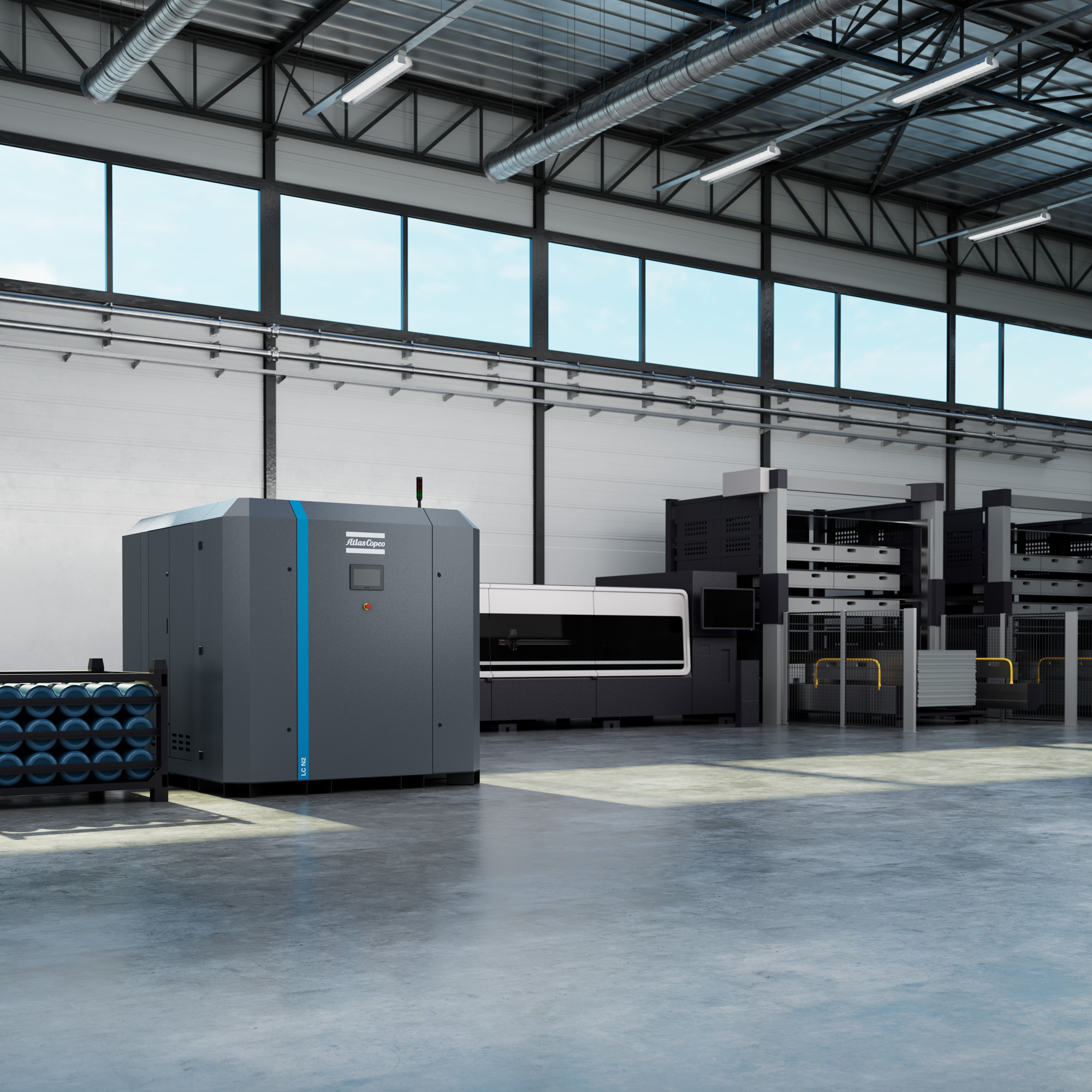
Atlas Copco Compressors has launched its LC N2 nitrogen generation system in the UK, positioning the range as a compact, high-pressure option engineered specifically for fibre laser cutting in metal fabrication.
The LC N2 13-50 is designed to deliver a continuous, on-site supply of high-purity nitrogen at the pressure, flow, and quality typically required to support faster cut speeds and oxide-free edges, particularly in stainless steel and aluminium applications. Atlas Copco is pitching the system at manufacturers looking to tighten cut consistency while gaining a clearer line of sight on operating costs as nitrogen consumption rises alongside more powerful laser sources and higher-throughput cutting strategies.
Nitrogen’s role in laser cutting remains brutally practical. As an assist gas, it suppresses oxidation at the cut edge and can improve downstream outcomes where welding, painting, or coating follow. The economics, however, are increasingly shaped by consumption volumes. Higher cutting speeds, increased laser power, and larger nozzle sizes have all pushed nitrogen demand upwards, turning gas supply into a material driver of both cost and performance on the shop floor.
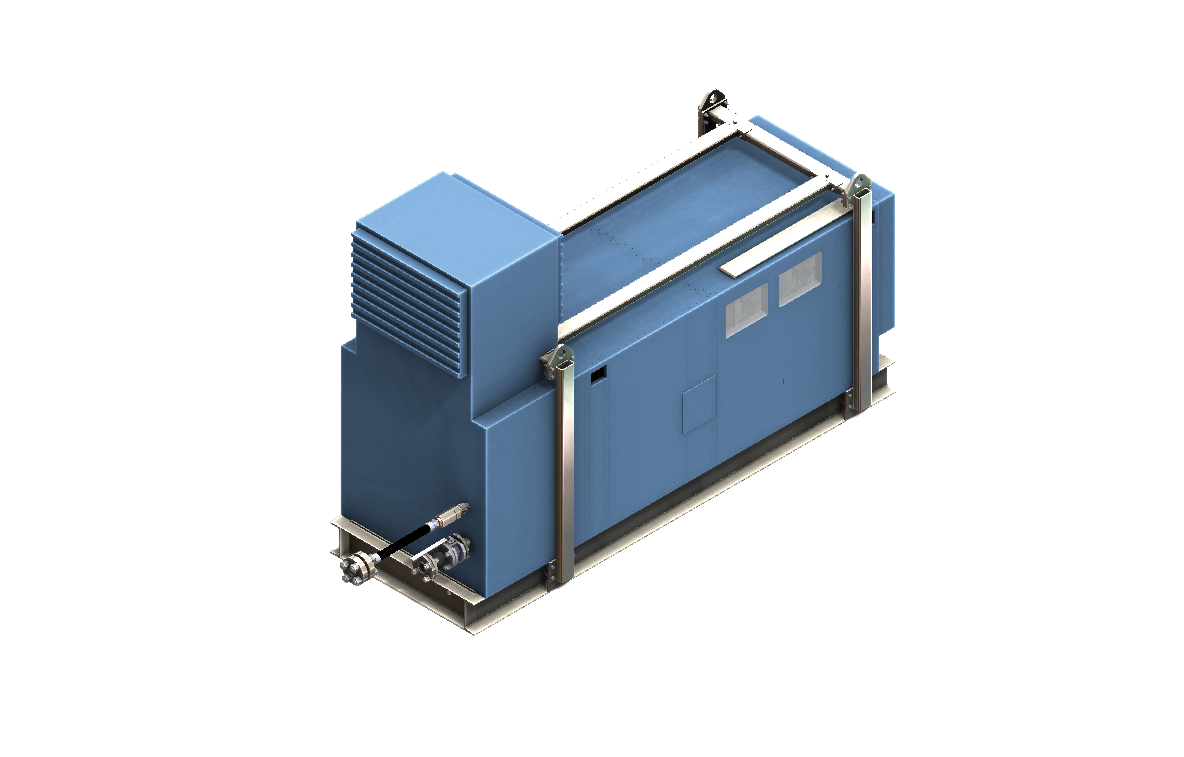
Atlas Copco’s response is an all-in-one, high-pressure architecture combining nitrogen generation, boosting, filtration, regulation, high-pressure cylinder storage, and hoses in a single compact footprint. The company says the storage packs can be laid flat or stood up, offering layout flexibility where floor space is already overbooked. Operating at pressures up to 300 bar, the LC N2 is sized around average nitrogen demand rather than peak flow, with integrated high-pressure storage intended to handle short-term fluctuations. Atlas Copco claims that approach can reduce overall system size, energy use, and cost without compromising cutting performance.
Andrew Butler, National Sales Manager for Industrial Gases at Atlas Copco, said: “Laser cutting businesses are under pressure to deliver faster throughput, consistent edge quality and predictable running costs. Nitrogen supply sits at the centre of all three. The LC N2 is suitable for the real-world demands of laser cutting, giving users the right purity and pressure, exactly when they need it, without the uncertainty and ongoing cost of delivered gas.”
The package is supplied as a plug-and-play system, intended to connect to an existing compressed air supply, or to be paired with a dedicated compressor and air tank where required. An advanced controller supports remote monitoring of nitrogen production, usage, and system status, reflecting a wider shift toward treating process gases as measurable, controllable utilities rather than a recurring delivery problem.
Butler added: “By producing nitrogen on site, customers gain control over a critical process input. They reduce reliance on external deliveries, improve resilience, and create a platform that can scale as laser capacity increases. For many users, this is no longer just a cost decision, but a strategic one.”
Atlas Copco also highlighted modularity and serviceability, with removable side and top panels to simplify maintenance and add-on storage modules to expand capacity as production requirements grow. The LC N2 sits within a broader laser cutting gas portfolio that includes the LC Guard filtration system, intended to protect laser heads from contamination originating from bottles or cylinders, and the LC Mix gas mixer, a mobile unit designed for users who want a nitrogen-oxygen blend without a mixing vessel.