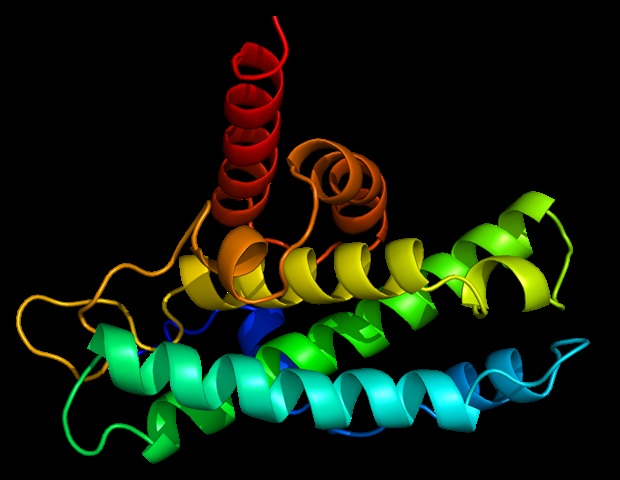
Protein kinases are pivotal cellular components, regulating growth, division, communication, and survival by phosphorylating other proteins. Dysregulation, particularly when these kinases remain perpetually active, can lead to cancer and other diseases. Consequently, kinases have become a critical focus in drug development. Currently, over 80 kinase inhibitors have received FDA approval, with nearly double that number undergoing clinical trials.
These inhibitors were initially developed to impede enzymatic activity. However, a study led by CeMM, the Research Center for Molecular Medicine of the Austrian Academy of Sciences, alongside the AITHYRA Institute for Artificial Intelligence in Biomedicine and the Institute for Research in Biomedicine, unveils a surprising aspect: kinase inhibitors can also expedite the degradation of their target proteins. Published in Nature, the research indicates that this drug-induced degradation is not an anomaly but a typical feature of kinase inhibitor pharmacology.
Previous indications suggested that inhibitors might destabilise their targets, though the extent and mechanisms were unclear. Addressing this, researchers systematically profiled 98 kinases using a library of 1,570 inhibitors, observing protein abundance over time. The results were notable: 232 compounds reduced the levels of at least one kinase, affecting 66 different kinases.
Some cases followed the known “chaperone deprivation” pathway, where inhibitor binding prevents the chaperone HSP90 from stabilising its client kinases. However, many did not follow this pattern. Instead, the team identified a shared mechanistic principle: inhibitors can induce altered kinase states through changes in activity, localisation, or assembly, making them unstable and thus swiftly cleared by the cell’s proteolytic systems.
“Inhibitor-induced degradation turns out to be surprisingly widespread,” stated Natalie Scholes, senior postdoctoral researcher at CeMM and first author of the study. “Our data show that small molecules don’t just block kinase activity; they can shift proteins into conformations that the cell recognises as unstable. That means inhibitors can double as degraders, adding a whole new layer to how these drugs work.”
The researchers explored these mechanisms through three case studies. One kinase, LYN, was rapidly eliminated once an inhibitor disrupted its stability. Another, BLK, was degraded after being released from the cell membrane into the cytosol by a membrane-bound protease complex. A third, RIPK2, formed large protein clusters that were recognised and removed by the cell’s recycling machinery. These examples underscore a broader principle: inhibitors can enhance endogenous degradation pathways, prompting kinases into unstable states that the cell’s quality-control systems address.
Georg Winter, Director at the AITHYRA Institute for Biomedical AI and adjunct Principal Investigator at CeMM, commented, “This study demonstrates that degradation is not an anomaly but part of the pharmacological spectrum of kinase inhibitors. Understanding this dimension could help us design better drugs that don’t just silence kinases but remove them altogether — and in some cases, it may explain unexpected effects of existing therapies.”
This research potentially reshapes our understanding of kinase inhibitors, opening avenues for improved drug design and therapeutic strategies.