
Image: Energinet/Green Power Denmark
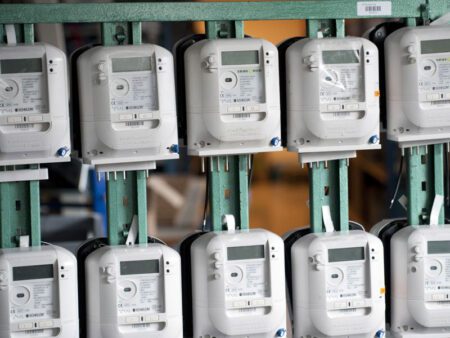
Electricity traders, aggregators, researchers and other interested parties can now dive into the 35 Danish local grid companies’ consumption and production data.
The initial data, which is available on the TSO Energinet’s ‘Energy data service’ portal, is for consumption and is available on an hourly basis per household divided by heating category and municipality as well as on an hourly basis in a number of industries.
Over the next four weeks, four more data sets are due to be released, so that it will also be possible to see electricity production on an hourly basis divided by different types of production and municipality.
Mette Rose Skaksen, deputy CEO of the industry association Green Power Denmark, which has worked on the project with Energinet, says the data release is meeting a long-cherished wish from a number of actors.
Have you read?
OpenSynth open data – from smart meters to smart grids
Energy data interoperability repository launched in Europe
“I look forward to seeing how data is used for the benefit of the green transition. Our hope is that different players can see opportunities in using the freed up data to offer new solutions for their customers, and preferably so that the electricity grid can be used even more efficiently.”
Jesper Abildgaard, Deputy Director of Energinet‘s Digital Products and Business Development, adds that the data release is a strong example of how the grid companies, Green Power Denmark and Energinet can create value together.
“At the same time, I am proud that we now give data users a single point of entry to data from the entire Danish energy system.”
To avoid tracing data back to individuals or companies, it has been anonymised. This has been done by using number and dominance criteria, which determine when data should be aggregated to a higher level, for example, by displaying data at the regional level instead of per municipality if there are too few data points.
To ensure balance, the intention is that both the released datasets and the anonymisation methodologies are evaluated annually.
As part of this process, Energinet and the local electricity grid companies will look at whether the criteria should be changed and whether additional data sets should be released.
Discussions also are under way on the possible release of other grid companies’ data.