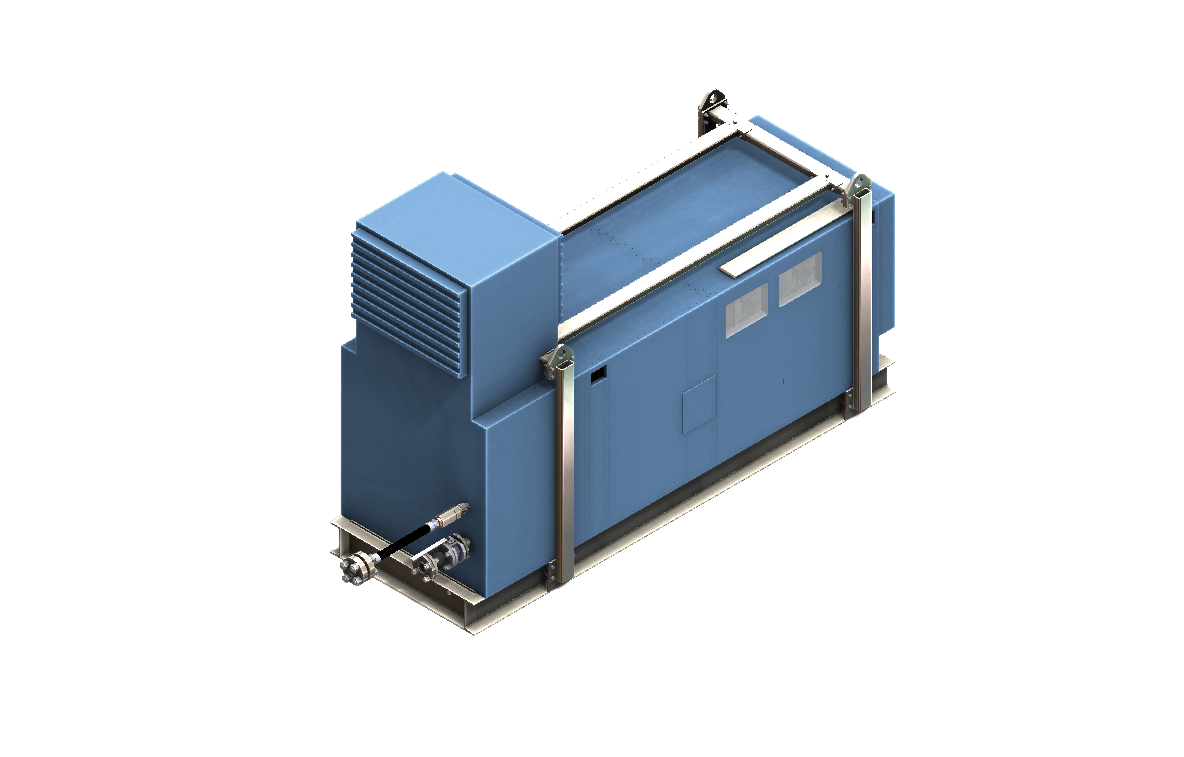
Xylem will host a UK water-sector webinar on 14 July focused on moving indirect potable reuse from pilot and demonstration schemes into full-scale operational deployment.
The session will cover advanced treatment, monitoring, regulatory confidence, public health protection, and the operating frameworks needed to run reuse schemes continuously. UK water companies are exploring indirect potable reuse as part of long-term planning for drought resilience, population growth, climate variability, and rising pressure on conventional water resources.
Indirect potable reuse treats wastewater to a high standard before returning it to an environmental buffer, such as a river, reservoir, or aquifer, where it can later be abstracted, treated again, and supplied as drinking water. The method is established internationally, but wider adoption in the UK depends on technical assurance, public acceptance, regulatory clarity, and confidence in 24/7 plant performance.
The engineering demands are substantial. Potable reuse schemes rely on multiple treatment barriers, potentially including filtration, membranes, advanced oxidation, ultraviolet disinfection, analytical monitoring, and tightly controlled process automation. The objective is not simply to meet a specification during a trial. The plant must maintain verified performance as feedwater quality, weather, demand, and operating conditions change.
Risk management will sit at the centre of any full-scale scheme. Utilities need validated processes, real-time monitoring, clear alarm limits, response procedures, and evidence that critical control points are being managed. HACCP-style approaches are increasingly relevant because they allow operators to identify hazards, define control points, and document corrective action in a way that supports both engineering control and regulatory confidence.
Water resource planning is becoming more complex across the UK. Leakage reduction, demand management, new reservoirs, transfers, desalination, catchment work, and reuse all form part of the future supply mix. Indirect potable reuse is unlikely to replace those measures, but it can strengthen local resilience where abstraction is constrained and rainfall patterns are becoming less predictable.
Process efficiency will be closely scrutinised. Advanced water treatment can be energy-intensive, particularly where membranes, oxidation, and pumping are involved. Operators will need to balance supply resilience against power cost, carbon performance, chemical use, maintenance, and asset life. Intelligent control and process optimisation will influence whether reuse schemes remain acceptable not only technically, but economically.
Public confidence will also depend on engineering clarity. Reuse projects can be vulnerable to misunderstanding if the treatment route, environmental buffer, monitoring regime, and health safeguards are not explained clearly. Utilities that can show validated barriers, transparent performance data, and robust contingency planning will have a stronger basis for acceptance than those relying on reassurance alone.
The supply chain around reuse is broad. Full deployment requires process design, membranes, pumps, valves, instrumentation, UV systems, automation, sampling, civil engineering, commissioning, operations support, and long-term service. Moving from demonstration plants into permanent schemes would create demand across the process engineering and water technology sectors, particularly for equipment that is reliable, maintainable, and efficient under continuous operation.
Xylem’s webinar will add to a growing industrial discussion about how water companies secure supplies under climate and population pressure. Indirect potable reuse brings together chemistry, biology, filtration, disinfection, instrumentation, control, asset management, and regulation inside a public health critical system. Its wider adoption will depend on how convincingly those disciplines are integrated from early design through to routine utility operation.