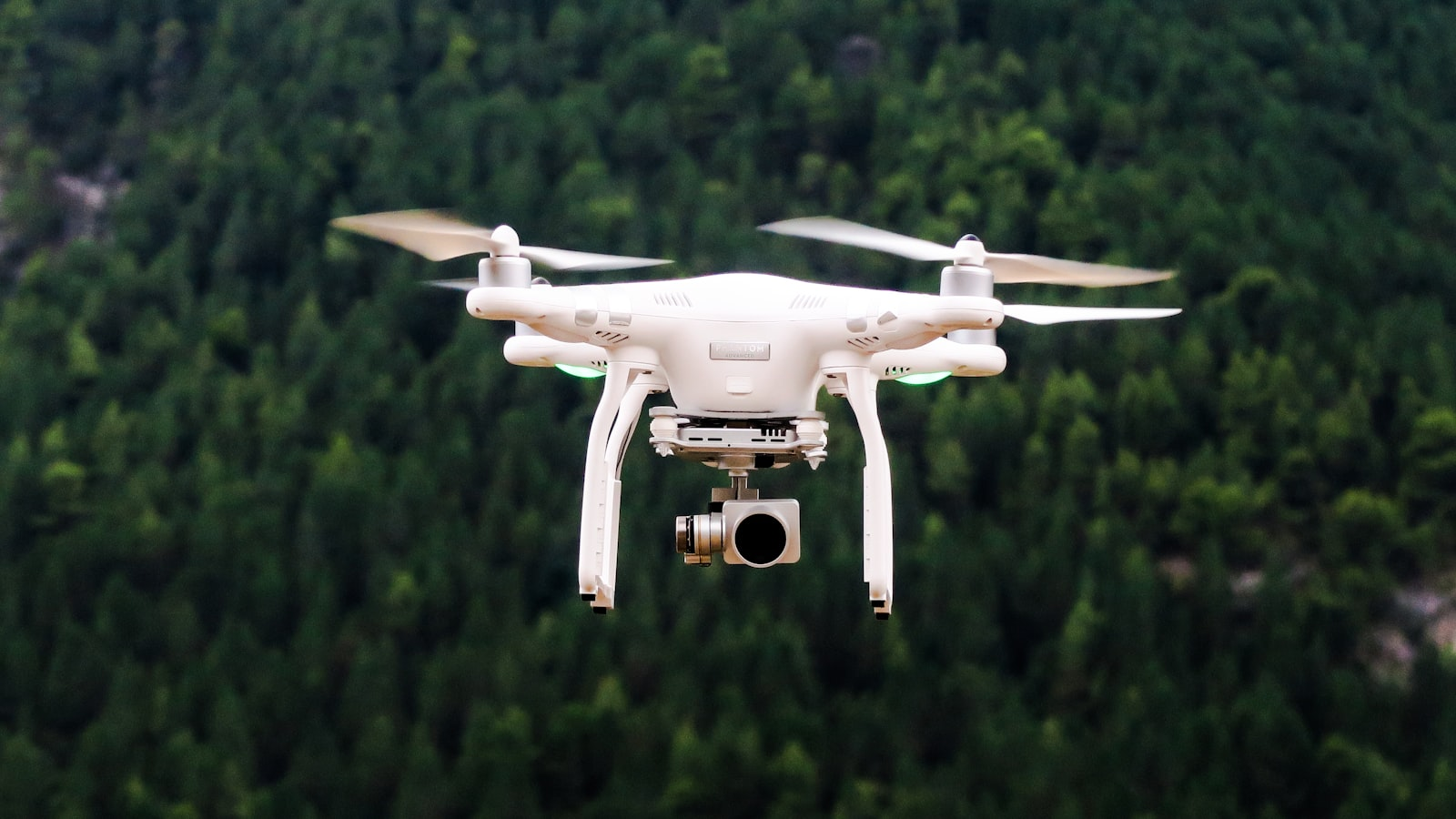
Venetz Aerospace has received UK Civil Aviation Authority Part 21 Design Organisation Approval for electric motors and propellers used in uncrewed and crewed aircraft.
The Chichester-based company says the approval gives it a formal regulatory basis for designing electric propulsion components for the drone and electric aviation sectors. The milestone strengthens its ability to support aircraft programmes where propulsion systems must move through controlled design, certification, and production pathways.
Design Organisation Approval confirms that a company has the engineering processes, technical controls, quality systems, and organisational competence needed to design aeronautical products within an approved framework. In electric propulsion, that framework is becoming increasingly important as drones and electric aircraft move into operations with higher payloads, longer endurance, and greater safety requirements.
Venetz Aerospace was established to develop UK-designed and manufactured drone propulsion systems with emphasis on reliability, safety, and scalable production. The approval now gives the company a stronger foundation for electric motors and propellers across commercial, industrial, and potentially defence-related aircraft applications.
Electric propulsion brings together motors, inverters, batteries, control electronics, thermal management, propellers, and software. Each element must be considered as part of the aircraft system rather than as a standalone component. A motor may perform well on a bench, but aviation use requires evidence around reliability, cooling, electromagnetic compatibility, vibration, failure behaviour, maintainability, and integration with flight controls.
The UK drone market is also moving beyond simple visual-line-of-sight operations and experimental trials. Infrastructure inspection, logistics, emergency services, defence, mapping, and industrial monitoring are all pushing uncrewed aircraft into more demanding environments. As aircraft become larger and more capable, propulsion systems will face closer scrutiny from regulators, operators, insurers, and customers.
The approval aligns with wider pressure to build a deeper domestic drone and autonomy supply chain. Funding alone will not create sovereign capability if propulsion, control electronics, sensors, and manufacturing processes remain dependent on fragile imported supply routes. Current debate around UK drone funding and production depth has already underlined the importance of converting procurement interest into real industrial capacity.
Electric motors and propellers sit close to the centre of that capacity. Propeller design affects aerodynamic efficiency, acoustic performance, vibration, durability, and aircraft handling. Motor design affects power density, heat rejection, reliability, manufacturing tolerance, and service life. These choices influence endurance and payload, but they also shape the safety case behind each aircraft.
Certification discipline becomes more important as the market matures. Early demonstrators can tolerate bespoke engineering and narrow operating envelopes, while production aircraft need repeatable design methods, controlled documentation, qualified suppliers, and validated manufacturing processes. Certification does not remove technical risk; it forces that risk into a structured development and evidence framework.
Domestic approval may also help customers manage supply resilience and engineering support. Defence, infrastructure, and regulated industrial users often need confidence that propulsion components can be adapted, maintained, inspected, and supported throughout long service lives. A UK-based approved design organisation can offer proximity to operators and regulators that imported commodity propulsion systems cannot easily match.
Electric aviation still faces difficult constraints around battery energy density, thermal performance, safety, and infrastructure. Those limitations will not be resolved by a design approval alone. The value of the approval is that it gives Venetz Aerospace a regulated route to work through those constraints with the documentation and process control expected in aviation.
As drones move into heavier, longer, and more safety-critical operations, propulsion will become a more visible differentiator. Venetz’s approval adds certified UK design capability to a sector where performance, traceability, and support will increasingly separate production aircraft from prototypes.