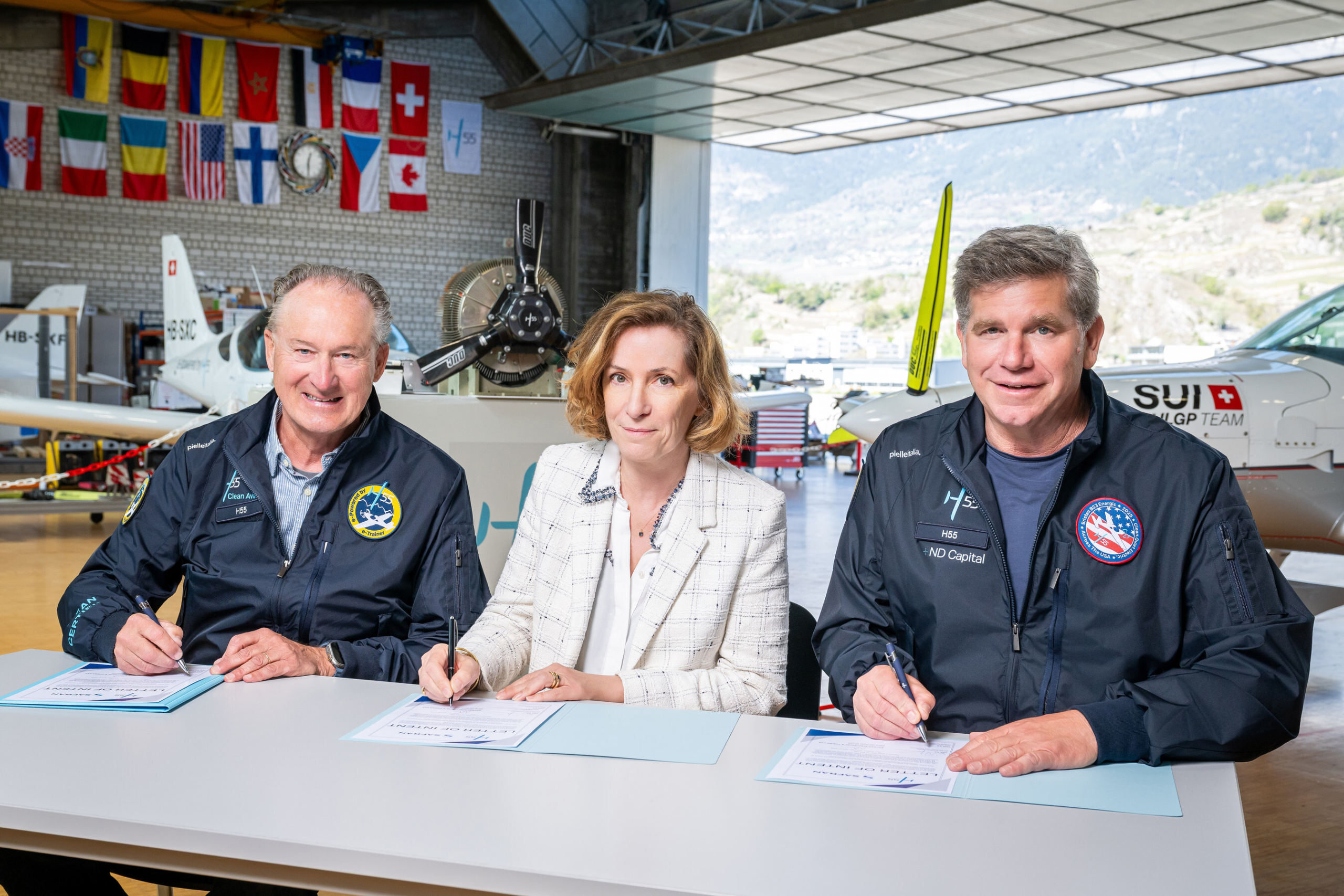
H55 has selected Safran’s ENGINeUS electric motor for the Bristell B23 Energic, tightening the link between two of the more advanced certification tracks in light electric aviation and giving the programme a stronger industrial base as it moves toward service entry.
Under the agreement, Safran Electrical & Power will supply the motor element of the propulsion unit that H55 is integrating for the fully electric Bristell trainer. The target market is CS-23 and Part 23 Level 1 and 2 aircraft, with the B23 Energic positioned first for two-seat and light general aviation applications, especially pilot training. Safran said it will support prototype work and serial production from 2027, alongside in-service support.
The timing matters because certification remains the hard gate in electric aviation rather than a side issue to be tidied up later. EASA set a milestone in 2024 by certifying Safran’s ENGINeUS 100 under its special conditions for electric propulsion, while H55 said in February that it had completed the first EASA-agreed propulsion battery module certification test campaign. Put together, those steps give aircraft manufacturers a more credible route to buying in major elements of a certifiable electric powertrain instead of stitching together experimental subsystems and carrying the integration risk themselves.
“When you combine the standard-bearer for certified energy storage with the standard-bearer for certified electric motors, you give OEMs something they haven’t had: a complete, certifiable electric propulsion system they can build an aircraft around,” said Rob Solomon, Chief Executive Officer at H55. That is particularly relevant in the training market, where operators are far more interested in dispatch reliability, operating cost, maintenance burden, and certification certainty than in being cast as test pilots for a future concept.
H55 says the B23 Energic already has more than 100 orders secured, while Bristell describes the aircraft as capable of a standard one-hour training mission with reserve. The next test for the partnership is straightforward enough: translate certification progress into deliverable aircraft that flight schools can actually put on line.