
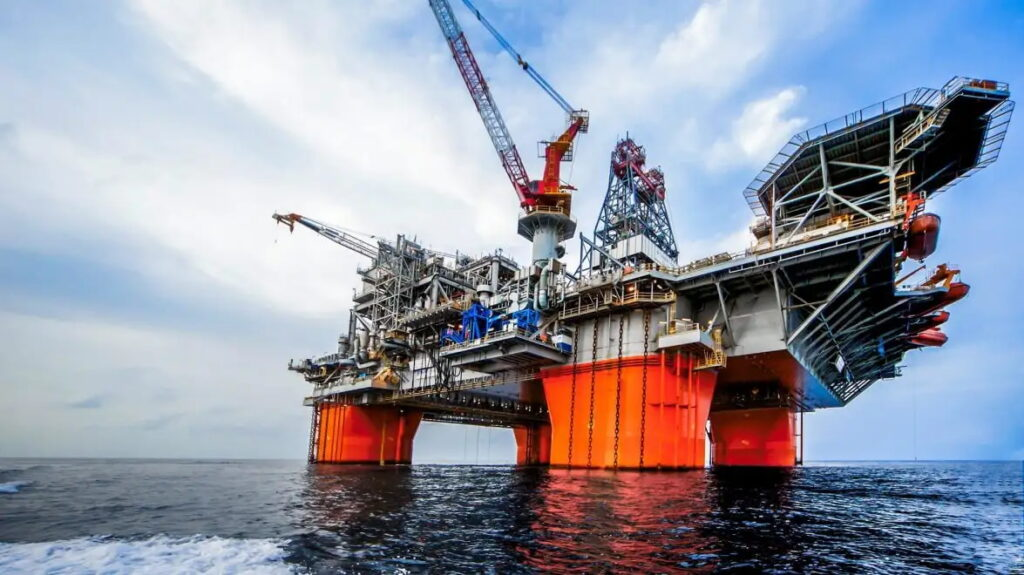
SLB OneSubsea has secured an engineering, procurement, and construction contract from bp to provide a subsea boosting system for the Thunder Horse development in the deepwater Gulf of America.
The contract covers the subsea boosting system as well as associated project management, engineering, manufacturing, and testing. The award follows recent subsea boosting contracts for bp’s Kaskida and Tiber developments, with all three projects using the same supplier-led, standardised high-pressure system solution.
Thunder Horse is one of bp’s major deepwater assets, and the latest award extends the use of subsea processing technology intended to improve recovery, support production, and reduce delivery complexity. Subsea boosting systems are used to increase flow from wells to host facilities by adding pressure support on the seabed, allowing operators to improve production from existing or technically challenging reservoirs.
The contract also shows standardisation moving further into deepwater project execution. Subsea projects have traditionally involved high levels of bespoke engineering, shaped by reservoir conditions, water depth, host infrastructure, pressure requirements, materials selection, and installation constraints. Custom engineering can improve technical fit, but it can also lengthen delivery schedules, complicate interfaces, and add procurement risk.
By applying a common high-pressure boosting solution across Thunder Horse, Kaskida, and Tiber, bp and SLB OneSubsea are placing greater weight on repeatability. A standardised approach can support faster engineering, more predictable manufacturing, common qualification work, improved spares strategy, and reduced operational learning curves. Those gains become more realistic when related architectures are used across multiple developments rather than treated as one-off systems.
Subsea boosting is becoming more prominent as offshore operators try to extract greater value from existing infrastructure while maintaining capital discipline. Deepwater developments require substantial investment, long-lead equipment, specialised vessels, and coordinated manufacturing capacity. Technologies that improve recovery from established assets or simplify execution across new projects carry significant operational value when economics are sensitive to schedule and uptime.
The manufacturing element is substantial. Subsea boosting systems sit at the heavy end of engineered equipment, combining pressure-containing structures, rotating equipment, controls, connectors, power supply, instrumentation, and qualification testing. They must operate in harsh subsea conditions with limited access for intervention, placing high demands on materials, sealing, reliability engineering, and factory acceptance testing.
Although Thunder Horse is located outside UK waters, the contract is closely connected to a supply chain with deep European capability. OneSubsea is backed by SLB, Aker Solutions, and Subsea7, bringing together equipment, engineering, installation, and subsea project capability with strong links into North Sea and wider European offshore expertise.
The wider offshore market is balancing pressure over emissions, capital allocation, and long-term hydrocarbon demand against the continuing requirement for secure energy supply. Existing oil and gas assets remain central to that balance, and many projects are being assessed on whether they can deliver higher recovery, lower execution risk, and better use of established infrastructure.
Subsea boosting fits that operating environment because it can increase production without requiring a wholly new host platform or extensive topside modification in every case. It also allows more of the production system to be engineered around seabed equipment, where standardised modules may offer shorter lead times and repeatable qualification.
The Thunder Horse award places deepwater asset management and industrial standardisation in the same frame. It is not only a contract for equipment, but another step in making high-pressure subsea systems more repeatable across multiple developments. If the approach holds through engineering, manufacturing, testing, and offshore deployment, it could strengthen the case for greater standardisation in one of the most technically demanding parts of the energy supply chain.
