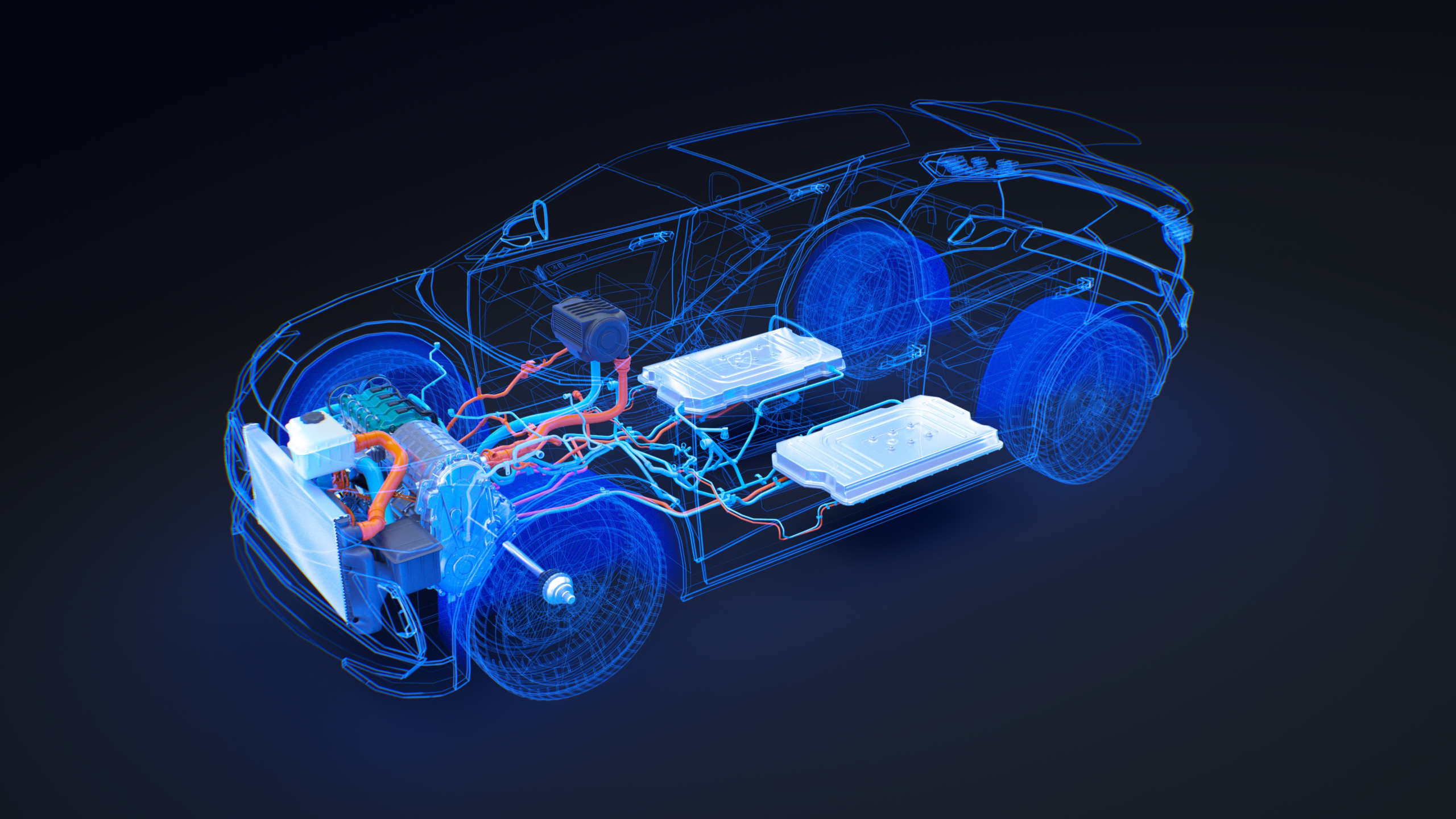
NORMA Group has secured the largest single project order in its history, agreeing a ten-year contract worth approximately €157 million to supply thermal management systems for future European vehicle platforms. The unnamed customer is described as a leading global automotive manufacturer, with production assigned to NORMA Group’s site in Serbia.
The project covers more than 100 thermal management system variants tailored to several future vehicle platforms. The assemblies will form part of the vehicles’ coolant architecture, distributing fluid to critical components under demanding operating conditions.
The number of variants makes the programme more complex than a conventional component supply contract. Engineering changes have to remain controlled across tooling, materials, connectors, coolant routing, quality documentation, assembly procedures, and customer approvals for the lifetime of the vehicles involved.
NORMA Group’s Mobility & New Energy activities focus on engineered joining and fluid-management systems, placing the contract within an area that has become increasingly important as vehicle thermal architectures grow more complicated. Electric powertrains combine battery packs, power electronics, motors, charging systems, cabin conditioning, and, in many cases, heat-pump circuits, each with defined operating-temperature requirements.
Even conventional and hybrid platforms are using more integrated fluid circuits as manufacturers pursue efficiency, lower weight, and tighter packaging. A thermal management assembly can therefore contain multiple lines, connectors, clamps, valves, and mounting points rather than a single hose carrying coolant between two components.
The €157 million contract value represents lifetime sales rather than guaranteed annual revenue. If divided evenly across ten years it would equate to roughly €15.7 million annually, but automotive programmes rarely follow a flat sales profile. Vehicle launch dates, production volumes, model variants, tooling phases, and customer call-offs determine the actual revenue curve.
The long contract duration still provides substantial visibility if the underlying vehicle programmes proceed as planned. It also creates a lengthy execution obligation: systems supplied late in the contract must meet the same quality, traceability, and delivery requirements as those produced at launch, despite years of changes to materials, component availability, regulation, and vehicle configuration.
Manufacturing the systems in Serbia places production within NORMA Group’s European footprint and close to the region’s automotive assembly network. That can reduce transport distances and support the frequent deliveries expected in vehicle production, but the plant will still depend on the wider group and external suppliers for components, materials, and engineering support.
More than 100 variants will make configuration discipline particularly important. A modification to connector geometry, tube length, material specification, coolant routing, or mounting arrangement can affect purchasing, tooling, inspection criteria, packaging, and line-side presentation. Uncontrolled variation is one of the quicker ways for a profitable automotive contract to become considerably less profitable.
Thermal performance also has a direct effect on vehicle efficiency and durability. Battery cells operate within controlled temperature ranges, rapid charging generates additional heat, and power electronics must remain within thermal limits under high loads. Reliable coolant distribution is therefore tied to performance, charging capability, component life, and safety rather than being a peripheral plumbing function.
NORMA Group describes the award as an important milestone in its NewNORMA strategy, which is intended to concentrate resources on businesses with attractive growth and profitability prospects. The record order supports the future revenue pipeline, although the economic value will ultimately depend on launch execution, programme volumes, manufacturing efficiency, and the ability to control engineering changes over the full contract term.
The company has not disclosed the customer’s identity or detailed start-of-production schedule. Those omissions are common in automotive supply agreements, but they leave the next industrial milestone clear enough: converting the award into validated serial production at the Serbian plant.
A record lifetime value makes a useful headline, but vehicle manufacturers do not pay suppliers for headlines. More than 100 system variants now have to launch on schedule, remain leak-tight and dimensionally controlled, survive demanding vehicle environments, and reach assembly lines when required. NORMA Group has secured its largest order; manufacturing discipline will determine how much of that value survives the decade.