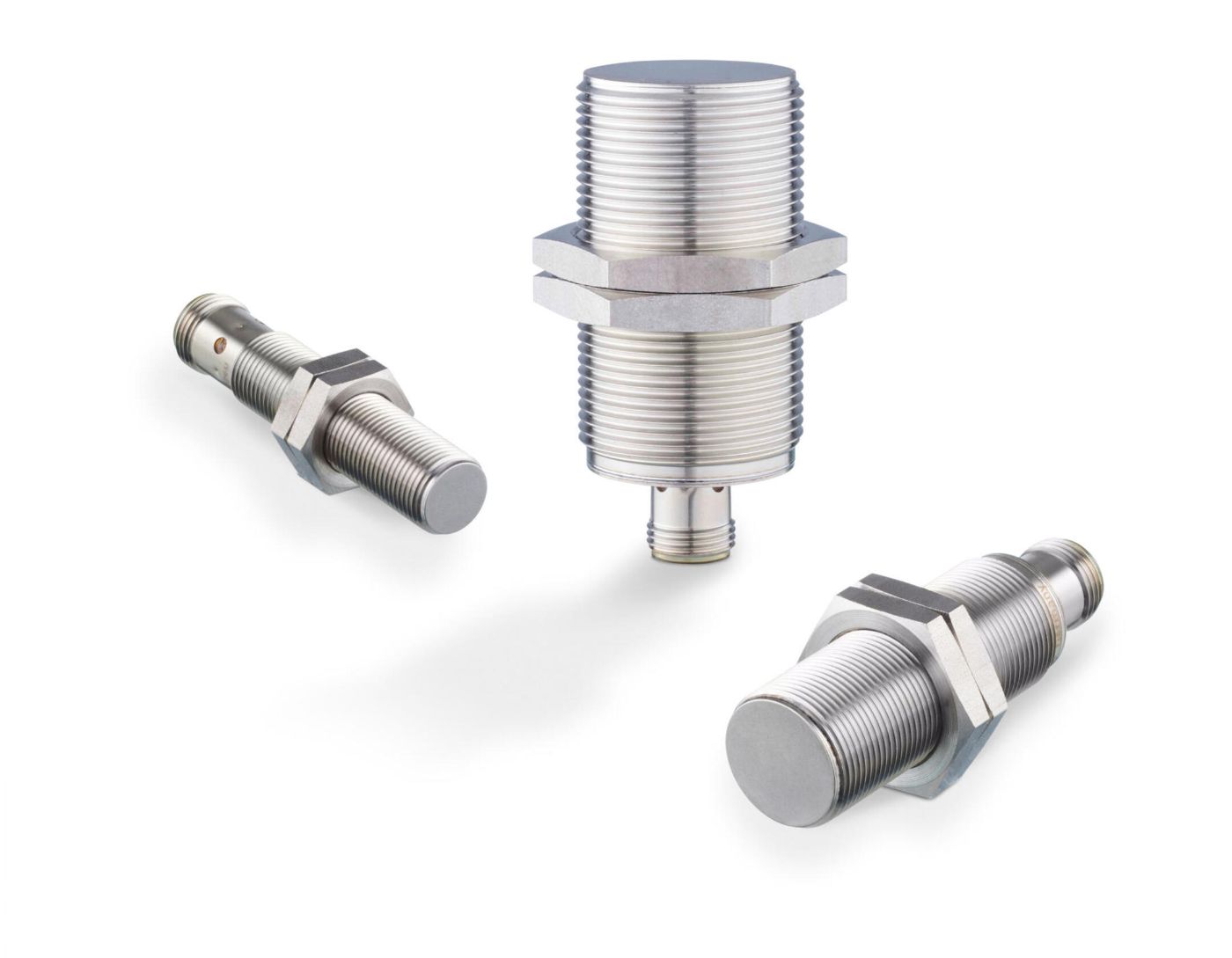
ifm, a leader in sensor technology, has introduced a new line of fail-safe inductive sensors designed specifically for the food and beverage industry. These sensors, constructed entirely from metal, set a new benchmark for safety and reliability in harsh environments. ifm is the sole supplier offering such sensors with a full-metal design, ensuring maximum safety even in conditions with persistent moisture and temperatures between -25°C and 100°C. This makes them particularly suitable for critical applications within the sector.
The full-metal inductive sensors are ideal for various safety-critical uses. They can be installed on service lids and manways to prevent processes from initiating until closures are secure, thereby safeguarding personnel and machinery. Additionally, they are well-suited for valves and valve manifolds, enduring frequent cleaning cycles and continuous exposure to moisture. These sensors also ensure reliable operation of high-speed doors in cold storage, even at low temperatures.
Engineered for the harshest conditions, these sensors feature a stainless-steel sleeve that provides exceptional resistance to extreme temperatures, intensive cleaning, and challenging industrial environments. TUV certified to SIL 2/PLd, they deliver superior safety and reliability for the most demanding applications.
As the food and beverage industry continues to demand higher safety and reliability standards, ifm’s innovation addresses these needs with precision. The introduction of these sensors aligns with the industry’s ongoing pursuit of technological advancement and operational efficiency.