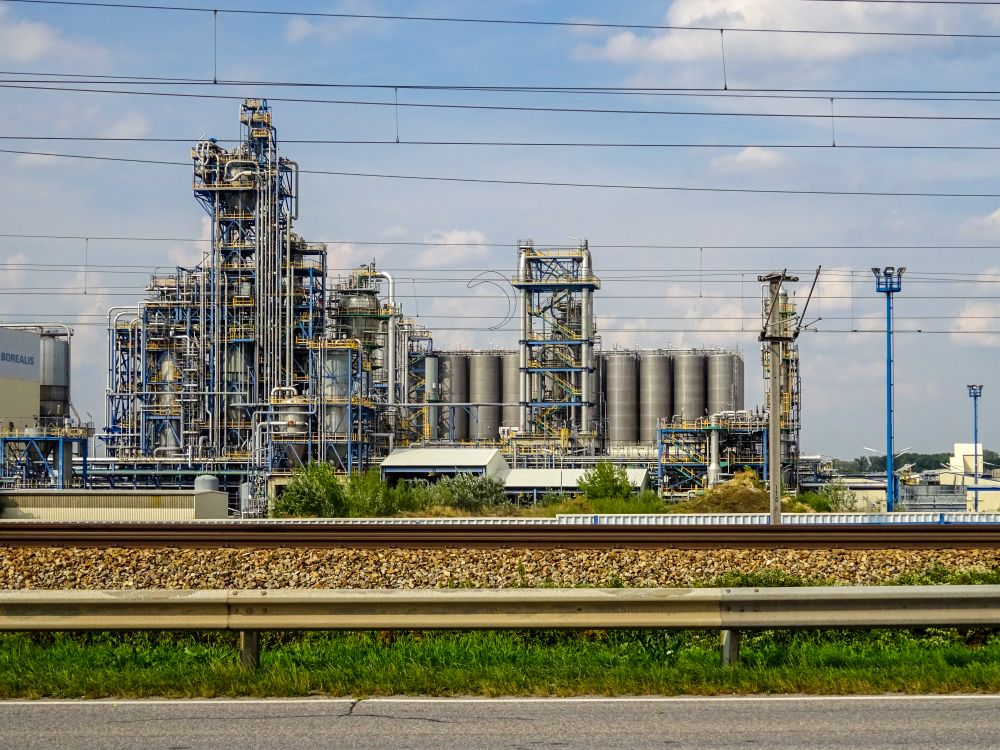
Heidelberg Materials has agreed to acquire NCC’s aggregates and asphalt operations in Sweden and Norway, adding 106 aggregates sites and 44 hot mix asphalt plants to its Nordic network. The transaction values those operations at around SEK5.5 billion on a cash and debt free basis and remains subject to regulatory approval.
The purchase forms part of NCC’s wider disposal of its Industry business area, with CRH separately acquiring the corresponding operations in Denmark and Finland. Together, the transactions give the divestment an enterprise value of SEK8.2 billion and are expected to complete during the second half of 2027, separating materials production from NCC’s remaining contracting operations.
NCC Industry generated sales of SEK12.6 billion and operating profit of SEK879 million in 2025, but its asset base differs materially from a contracting business. Quarries and asphalt plants depend on permanent production facilities, mineral reserves, permits and local distribution networks, tying capital to fixed sites over long operating periods. NCC’s strategic review concluded that those characteristics fit less closely with the lower capital model planned for the rest of the group.
Heidelberg Materials is acquiring assets that overlap directly with its existing Swedish and Norwegian building materials operations, where the group already produces cement, aggregates, concrete and related products. Adding NCC’s asphalt plants extends that chain towards finished road materials, while the additional quarry and aggregates network increases access to stone used in asphalt, concrete and infrastructure construction.
Local geography gives that network much of its value because aggregates and asphalt are heavy products whose economics deteriorate quickly as haulage distance rises. Transport can account for a substantial share of the delivered cost of stone, while hot asphalt has to reach the paving site within acceptable time and temperature limits. A dense network of quarries, terminals and mixing plants can therefore offer more practical supply capacity than the same nominal output concentrated at fewer remote facilities.
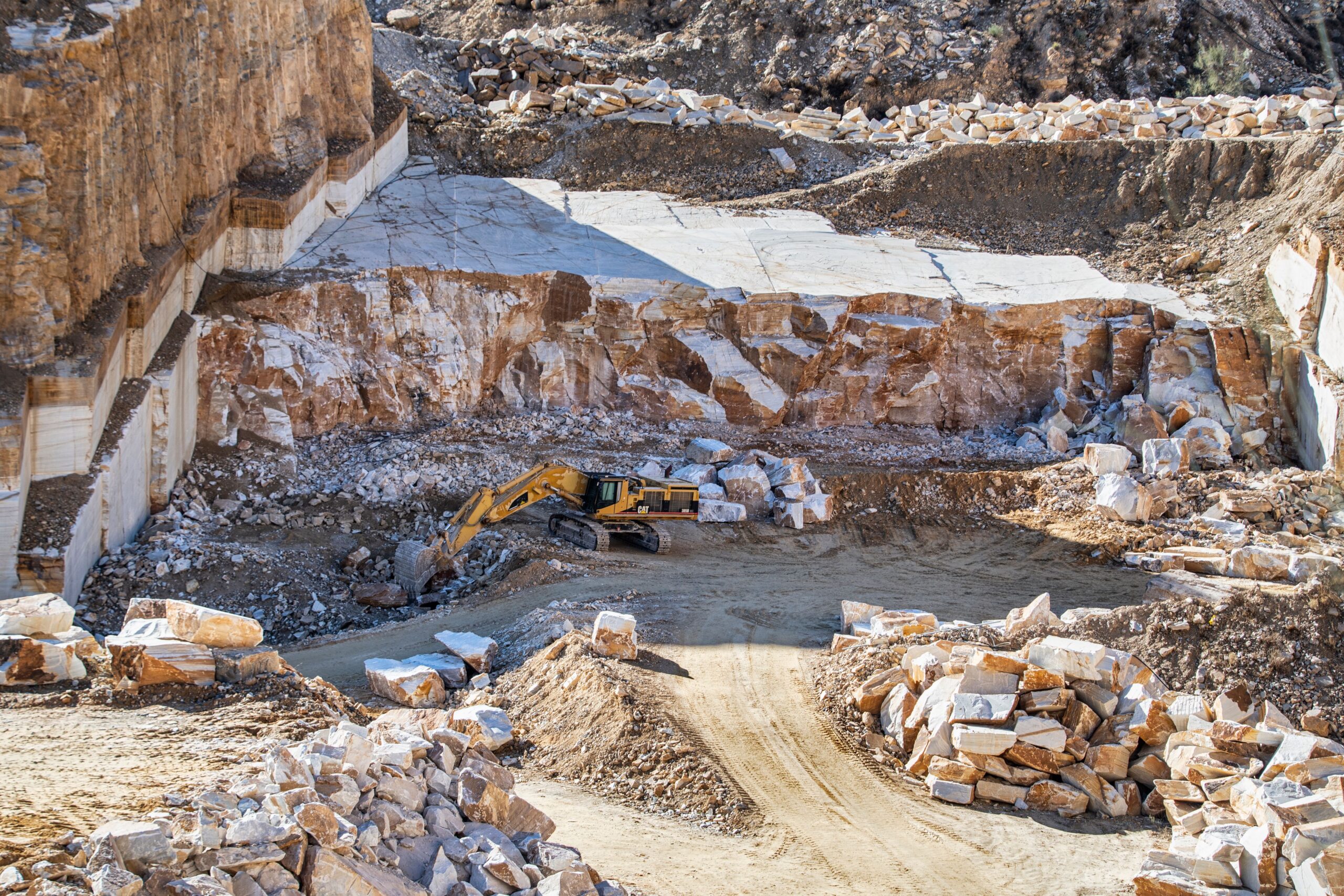
The 106 aggregates locations also bring mineral reserves that determine how long individual sites can continue supplying the market. Quarry value depends on the quantity and quality of material that can be extracted under existing permits as much as on the crushing and screening equipment installed at the surface. Long term access to suitable reserves supports both current production and the ability to bid for infrastructure demand stretching many years ahead.
Those reserves become more useful when linked with asphalt production because crushed stone can be graded for mixing while nearby asphalt plants create a local outlet for quarry output. Coordinating extraction, screening, storage and mixing can reduce handling and give the operator more flexibility over which sites serve a project, although the gains still depend on permit conditions, transport distances and actual plant utilisation.
The same transaction changes NCC’s position from integrated producer and contractor to a construction business buying more of its materials externally. Roads and infrastructure projects will remain part of the group’s activities, but a substantial production base that previously sat within the same organisation will move to specialist materials companies. NCC will therefore remain an important customer in markets where Heidelberg Materials and CRH own assets that were previously internal suppliers.
Heidelberg Materials already operates at more than 100 locations in Sweden and Norway with around 2,700 employees, so the acquisition enlarges an established industrial network rather than creating a new regional platform. The company says the purchase implies a pro forma EBITDA multiple below its own, although it has not disclosed a separate earnings contribution for the Swedish and Norwegian assets.
That existing footprint also makes competition approval a central part of the transaction. Building materials markets may appear broad at national level, yet the practical number of suppliers available to a customer can be much smaller because haulage distances constrain the radius around each quarry or asphalt plant. Regulators will therefore need to examine local overlaps around individual assets rather than relying solely on aggregate Nordic market shares.
Until completion, NCC will continue recognising earnings from Industry while reporting the business as discontinued operations from the third quarter of 2026 under IFRS 5. Heidelberg Materials will meanwhile prepare to integrate a large collection of sites whose performance depends on local reserves, permits, customer relationships and transport routes as much as headline production capacity.
If regulatory approval is secured, ownership of a substantial part of Sweden and Norway’s quarry and asphalt infrastructure will move from a diversified contractor to a specialist building materials group. The industrial consequence will be felt locally, where individual stone reserves, mixing plants and delivery routes determine which suppliers can serve road and construction projects economically.