
Image: Redexis
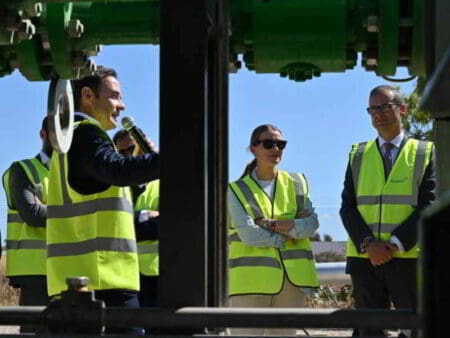
The Green Hysland project has delivered the first injection of green hydrogen into Spain’s gas grid on the island of Mallorca.
This injection, which took place in Palma de Mallorca, is considered a “groundbreaking milestone” for the project and a showcase of innovative technologies for the island’s energy future and a demonstration of the technical feasibility of blending hydrogen into existing natural gas infrastructure.
The newly operational infrastructure includes a 3.2km pipeline, a hydrogen reception station and a blender for seamless hydrogen integration.
It is intended to supply 115,000 households and 2,000 industrial and tertiary consumers across Mallorca with a blend of natural gas and green hydrogen, avoiding 4,000t of CO2 emissions.
Have you read?
Tech Talk | Overcoming European island energy challenges
Why islands are lighthouses in the energy transition
“This achievement represents a before and after in energy innovation,” commented Fidel López Soria, CEO of Spanish gas distributor Redexis.
“With the first injection of green hydrogen into the natural gas grid, we not only demonstrate the innovative potential of our infrastructures but also establish a model that can be replicated across other regions and countries in Europe.”
Green Hysland project
The Green Hysland project, developed as part of the EU’s Clean Hydrogen Partnership, is aimed to deploy a fully-functioning hydrogen ecosystem in Mallorca, the largest of the Balearic islands, and turn the island into the region’s first H2 hub in southern Europe.
The green hydrogen is produced at a cement plant site owned by Cemex at Lloseta in the north of the island, with the PEM electrolyser powered by on-site solar energy.
Other end users of the green hydrogen include the island’s tourism, transport and industry sectors, with supply in the project pilots for heat and power systems for a municipal building, a hotel and a ferry terminal in the port of Palma and for buses.
The hydrogen pipeline, which runs from Lloseta to the injection station at the Cas Tresorer power station on the outskirts of Palma, is planned to inject up to 190Tn/year of hydrogen (6,327MWh/year) in its initial stage, with the possibility of reaching up to 575Tn/year (19,147MWh/year) in the future.
Initially a 2% hydrogen blend is being allowed but as the project continues through its last year in 2025, the blend is expected to be increased with the infrastructure prepared to handle up to 20%.

Join the smart energy community in Milan to be a part of Europe’s premier energy transition event.