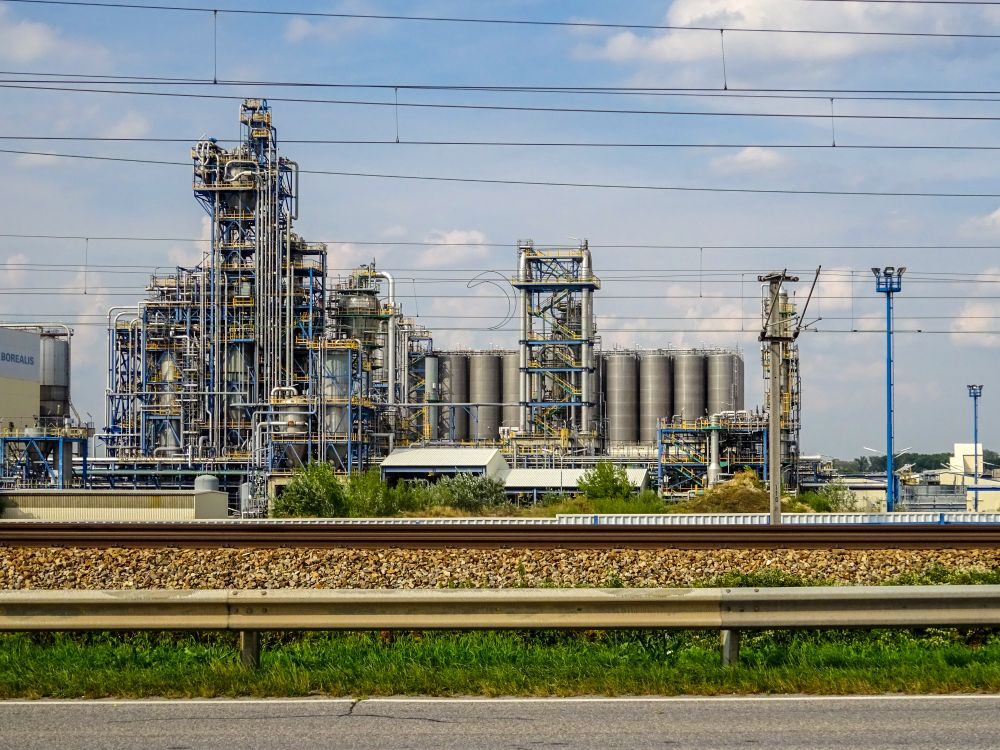
Framatome has inaugurated a €30m pilot facility at Paimboeuf in western France to apply chromium coatings to zirconium alloy tubes used in nuclear fuel assemblies. The investment forms part of the company’s PROtect Enhanced Accident Tolerant Fuel programme and is designed to reach output above 100,000 coated tubes a year. Industrial qualification of the process is planned by the end of 2026, with production targeted to begin in early 2027 after the technology has been demonstrated under conditions representative of series manufacture.
The pilot is housed within Framatome’s established nuclear fuel component factory at Paimboeuf, where zirconium alloy products are already manufactured. Its new physical vapour deposition operation applies chromium to the surface of cladding tubes used in fuel assemblies. As the first confinement barrier around nuclear fuel, the tubes are subject to stringent material and dimensional requirements. The 100,000-plus annual figure describes the line’s planned capacity; qualification must establish its reproducibility across manufacturing runs before the proposed production start.
In a pressurised water reactor, ceramic fuel pellets are enclosed in long metal tubes that separate the fuel material from the cooling water. Zirconium alloys are used because their properties are suitable for this environment, including low neutron absorption. At very high temperatures, however, zirconium can react with steam, accelerating oxidation and producing hydrogen. Chromium coating is intended to improve resistance to that reaction, increasing the fuel system’s tolerance to certain severe thermal conditions while retaining the basic function of the cladding.
Physical vapour deposition moves coating material into the vapour phase and deposits it onto the target surface. Applying a consistent protective layer to a fuel tube demands control of the coating process, component handling and the condition of the underlying metal. The industrial pilot will have to demonstrate that the relevant product characteristics can be reproduced across repeated production runs, not only on individual specimens used for research. Inspection and traceability remain integral because every coated tube has to retain its specified properties through subsequent fuel assembly manufacture.
Framatome developed PROtect with the French Alternative Energies and Atomic Energy Commission, CEA. The technology combines chromium-coated zirconium cladding with an optional fuel pellet formulation enhanced with chromium oxide, according to the operator’s requirements. The coating and pellet approaches act on different parts of the fuel system: the external layer changes the cladding’s response to high-temperature conditions, while changes to fuel composition can affect the behaviour of the material held inside the tube. The company has also developed the programme with support from the French recovery plan and the US Department of Energy.
The industrial investment follows more than a decade of development and in-reactor testing. Initial irradiations of PROtect fuel rods began in 2019 at Gösgen in Switzerland and Vogtle in the United States. A complete assembly was subsequently loaded at Calvert Cliffs in 2021, while four lead assemblies entered the French pressurised water reactor fleet under a programme with EDF from 2023. These installations have provided experience of fuel performance in operating reactors before the company attempts to increase manufacturing output.
By 2024, full-length PROtect fuel rods at Vogtle had completed a third 18-month operating cycle. The programme also reached burnup above 60 gigawatt days per tonne of uranium in full-length rods at Gösgen, according to Framatome. Burnup measures the energy extracted from a quantity of nuclear fuel during reactor operation and is one of the indicators used when evaluating fuel performance over time. These operational milestones provide a different form of evidence from the new factory’s process qualification, which must establish repeatable manufacture of the coated cladding itself.
Paimboeuf’s existing zirconium component manufacturing provides the upstream expertise needed to prepare tubes before coating and to control their dimensions. The additional process must be integrated with component handling, inspection and the downstream requirements of fuel assembly manufacture. At production scale, repeatable coating parameters and documented quality checks are needed across a considerably greater number of tubes than during initial research trials. The location brings the new operation into an existing nuclear component production environment with established manufacturing and quality controls.
Lionel Gaiffe, senior executive vice-president of Framatome’s Fuel Business Unit, has linked the development to operating experience across six reactors worldwide and the move towards industrialisation. Site manager Damien Cholet has pointed to Paimboeuf’s established capability in manufacturing zirconium fuel components. The commercial expansion of accident-tolerant fuel will depend on completion of the coating process qualification as well as the requirements and approvals associated with reactor operators’ fuel programmes.
Framatome targets industrial process qualification by the end of 2026 and an initial production start in early 2027. Reaching the designed annual capacity will depend on sustained process capability, inspection results and the rate at which qualified output can enter fuel supply programmes. The planned expansion links experience from reactor irradiation campaigns with a French manufacturing route for chromium-coated cladding, while adoption in particular reactors remains subject to the relevant fuel qualification and operator requirements.