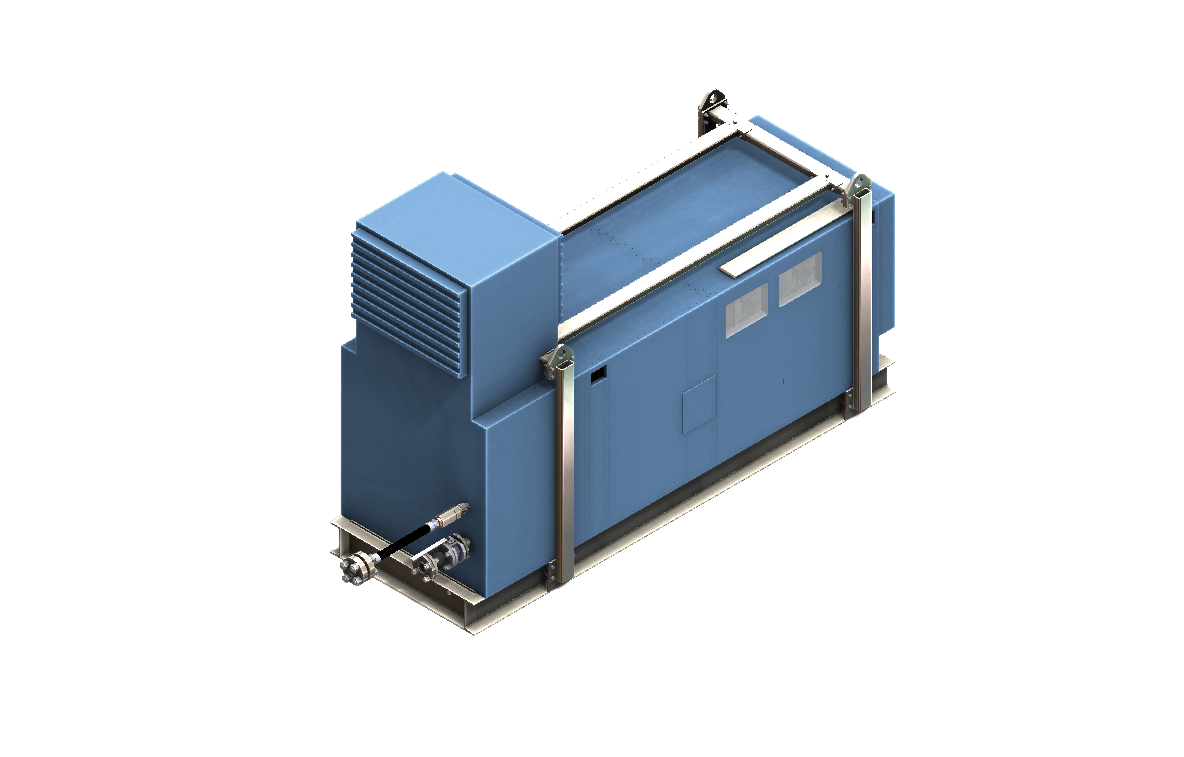
Forwessun has been appointed as a UK distribution partner for Test Research Inc, adding TRI in-circuit test systems to its electronics manufacturing equipment, fixture, and software portfolio.
The agreement will allow UK manufacturers to source TRI hardware alongside custom fixtures, test programmes, installation, maintenance, and aftersales support from one domestic supplier. Forwessun already provides test engineering services for electronics production, repair, and maintenance operations.
In-circuit testing identifies component, connection, polarity, and assembly faults on populated printed circuit boards by applying electrical probes through a dedicated fixture. Individual nets and circuit elements can be measured before the assembly progresses to functional testing or final product integration.
A functional test may establish that a board does not operate correctly, but it does not always isolate the physical cause. In-circuit measurements can distinguish between an incorrect component, an open connection, a short circuit, a missing device, or a value outside the specified tolerance.
Coverage depends on the complete test arrangement rather than the base machine alone. Fixture design, board access, probing strategy, software, component libraries, test limits, production data, and process control all influence whether faults are found consistently without creating excessive cycle time or false failures.
By combining TRI equipment with locally engineered fixtures and programmes, Forwessun can manage those interfaces within one deployment. Customers will not have to coordinate separate machine, tooling, and software suppliers each time a board design changes or a production problem requires investigation.
Domestic support becomes particularly useful after a product enters sustained manufacture. Printed circuit board revisions, component substitutions, new suppliers, altered test points, and production transfers can require fixtures and programmes to be modified throughout the product lifecycle.
Component availability is creating more frequent changes to bills of materials, especially where long-lived industrial, aerospace, medical, and transport products remain in manufacture after individual devices have become obsolete. Even an electrically compatible replacement may introduce a different package, tolerance, timing characteristic, or test response.
Those changes need to be reflected in the test process without weakening coverage. Limits that are too broad may allow a defect to pass, while limits that are too narrow can create unnecessary failures and manual rework.
UK printed circuit board sourcing has also shown renewed activity. PCB People reported a 309% increase in order income during the first half of 2026, with customers seeking shorter supply routes, faster technical communication, and greater control over complex board requirements.
Closer sourcing does not reduce the need for inspection. Boards manufactured domestically still require electrical verification, process traceability, and fault analysis, particularly where an assembly will operate in a safety-critical or difficult-to-service environment.
Test strategy is becoming more closely connected to board design as assemblies grow denser. Fine-pitch components, reduced test-point access, high-speed interfaces, and devices mounted close to the board edge can restrict conventional probing unless design for test decisions are made during layout.
Electronics manufacturers consequently combine several inspection methods. Automated optical inspection can identify visible placement and solder defects, X-ray can examine hidden joints, in-circuit equipment can measure electrical characteristics, and functional systems can validate complete operating sequences.
Each method finds a different class of fault, and none provides universal coverage. The production challenge lies in selecting a sequence that detects defects early enough to prevent expensive rework without adding unnecessary handling or duplicated inspection.
High-volume products can justify complex fixtures because the engineering cost is distributed across many assemblies. High-mix and lower-volume manufacturers need fixtures that can be developed and changed quickly enough to remain economic across shorter batches.
Local fixture and software capability can shorten the route between a production issue and a revised test programme. It can also support manufacturers that do not retain a large internal test engineering department but still need controlled coverage, documentation, and maintenance.
Data generated by the equipment can be connected with serial numbers, material batches, process history, and upstream inspection records. When recurring failures are traced against that information, manufacturers can determine whether the cause lies in a particular component lot, machine, design revision, or assembly stage.
Such analysis moves test beyond end-of-line rejection. Identifying a defective board remains necessary, but the larger production gain comes from correcting the process before further assemblies carry the same fault.
Forwessun’s TRI appointment broadens the test platforms available through its UK operation while keeping fixtures, software, installation, and lifecycle support within the same service structure. As electronics products become denser and component changes more frequent, the engineering surrounding the tester will determine how much value the machine delivers over its full operating life.