Drax has agreed to develop a strategic partnership with Brookfield and the investment group’s UK-headquartered AI infrastructure platform Radiant to pursue a data centre exceeding 1GW at Drax Power Station in North Yorkshire. Brookfield estimates that the total potential investment, including computing equipment, could exceed £20bn, while the first phase could involve £2.5bn of capital. Neither figure is a completed investment commitment: the proposed development must pass several commercial, planning and regulatory stages.
The partners envisage three phases. The first would provide up to 100MW of data centre capacity, targeting commercial operation in the first quarter of 2028. Drax’s detailed stock-market announcement describes a second phase developing options for an additional 500MW between 2028 and 2031, with further capacity possible after 2031. The eventual scale and timetable depend on customer demand, suitable power arrangements, planning consent, and network approvals. The project as a whole is intended to exceed 1GW, but no construction commitment has been made for that full capacity.
Drax would provide land and access to established electrical infrastructure on its power station estate, while Radiant would lead data centre design, prospective customer engagement, and commercialisation. Investment backing and operating capabilities would come through the Brookfield-Qai AI infrastructure joint venture. Drax is to lead planning and power integration. Those responsibilities establish the proposed development structure without transferring ownership of the generating plant or confirming the terms of future electricity supply.
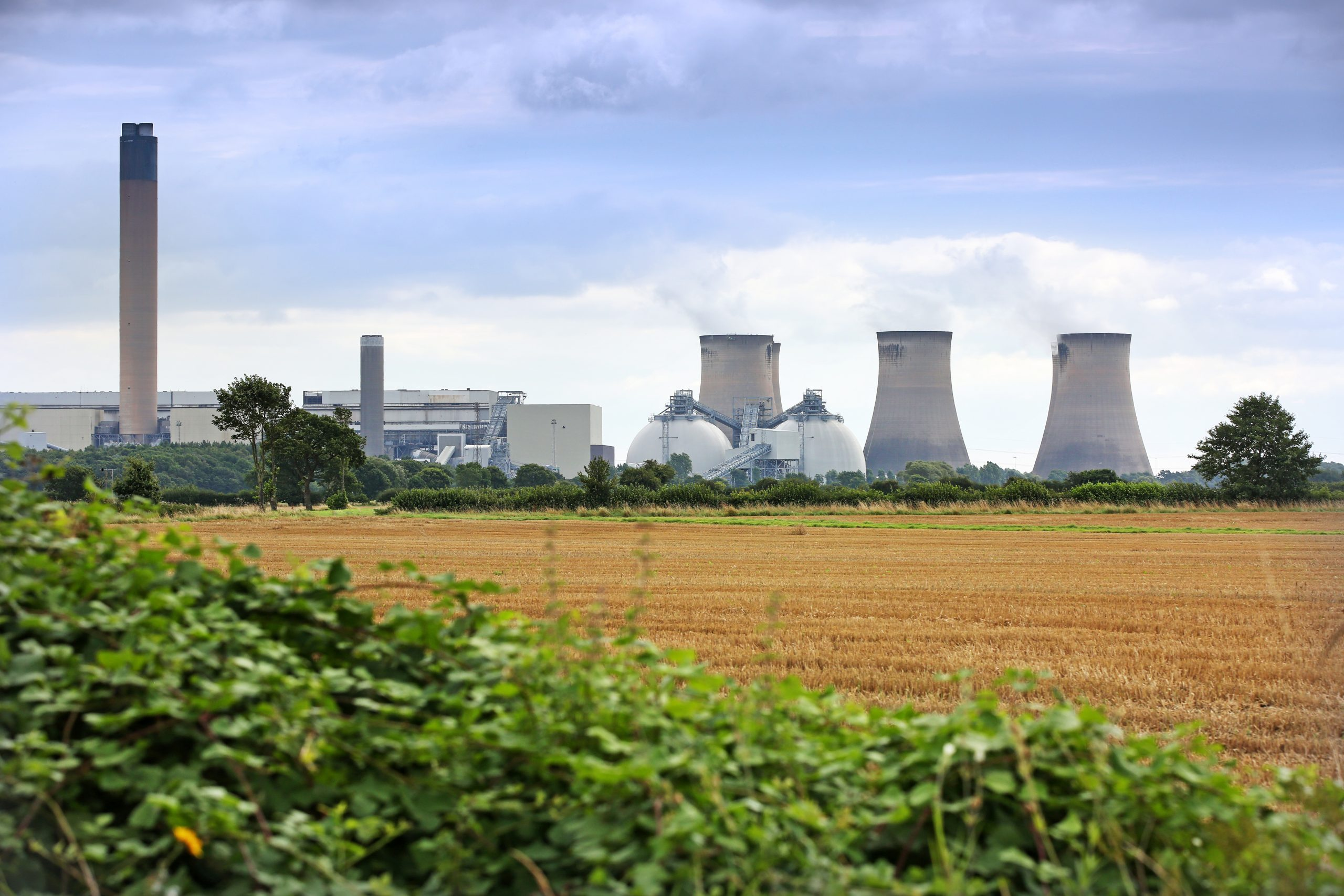
The estate extends to around 1,000 acres and has 4GW of grid access, alongside 2.6GW of active dispatchable generation and established cooling infrastructure. Those figures describe the existing site, while the development would still require an approved connection and specific operating arrangements for its own electrical demand. The available capacity for the new facility depends on network permissions, even at an industrial estate with substantial generation infrastructure.
The first 100MW facility is intended to draw electricity directly from the grid, with Drax coordinating the site’s power arrangements. Radiant is seeking an acceptable anchor customer, and the partners still have to negotiate final agreements and take their respective investment decisions. Network and regulatory approvals will determine the connection available to the development. Local consultation is expected to begin in November, ahead of the formal planning application; these steps will shape the precise layout and permitted scope of the initial phase.
Later stages are being considered on a different electrical basis. Drax says the second phase could use a behind-the-meter arrangement, with electricity supplied from the generating station to the data centre under a long-term power purchase agreement. Such a configuration would require agreement on generation allocation, metering, contractual delivery and the interaction with the wider electricity market. The company has not presented those arrangements as authorised or implemented, and the development remains subject to consent.
Any proposal to divert generating capacity to computing loads also has to fit Drax’s existing electricity contract. In November 2025, the company agreed a Contract for Difference covering approximately 6TWh of biomass generation annually between April 2027 and March 2031, representing about 30% of the station’s annual baseload output at 2.6GW of active capacity. That agreement permits Drax to request use of up to 500MW of generating capacity for a data centre during the contract period. Approval would require consideration by the Government and the Low Carbon Contracts Company, including energy security, sustainability, and consumer value.
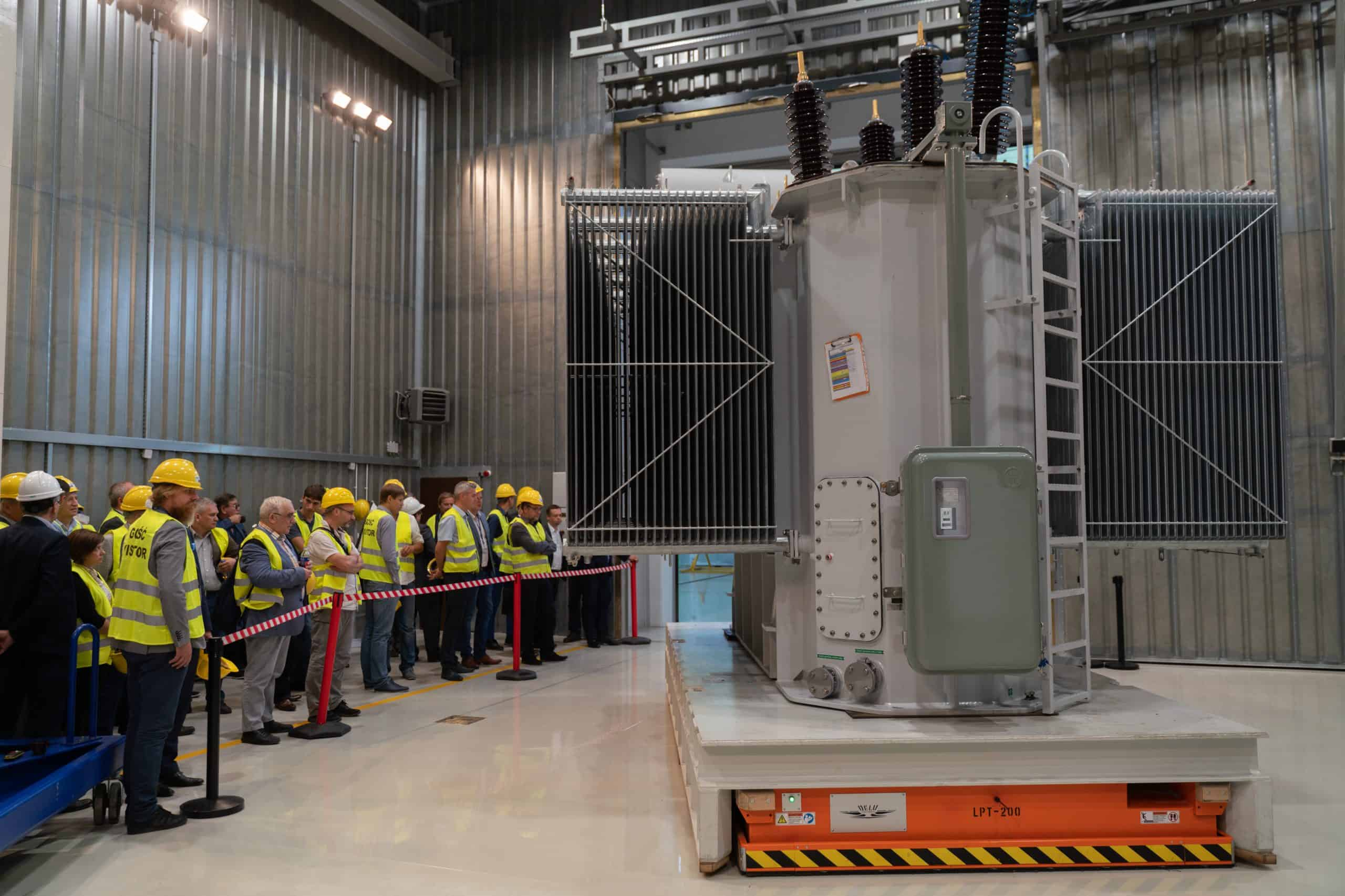
Placing computing infrastructure on the power station estate would locate the new electrical demand beside existing high-voltage connections, generation assets, and cooling infrastructure. A data centre nevertheless needs its own transformers, switchgear, protection systems, backup arrangements, and systems for removing heat from electronic equipment. Drax points to the estate’s cooling facilities and proximity to fibre networks, but no final data hall design, cooling technology, or performance figure has been disclosed. The distinction between existing site assets and proposed new equipment remains important to the construction programme and its eventual cost.
Drax expects the proposed development to help protect hundreds of existing power station jobs, while construction and eventual data centre operation could provide additional work. Neither the construction workforce nor the eventual operating headcount has been quantified, and no anchor customer has been named. The partners are also proposing a voluntary community benefits fund, to be developed with local residents separately from statutory planning obligations and the station’s existing local programmes.
Drax had previously considered co-locating computing capacity at the power station, but the new agreement identifies prospective infrastructure partners, a financing route, and a sequence of development phases. The next milestones are an anchor customer, consultation, a planning submission, and decisions on the electrical connection and commercial structure. Until those conditions are satisfied, the proposed first-quarter 2028 opening remains a target rather than an approved delivery programme.