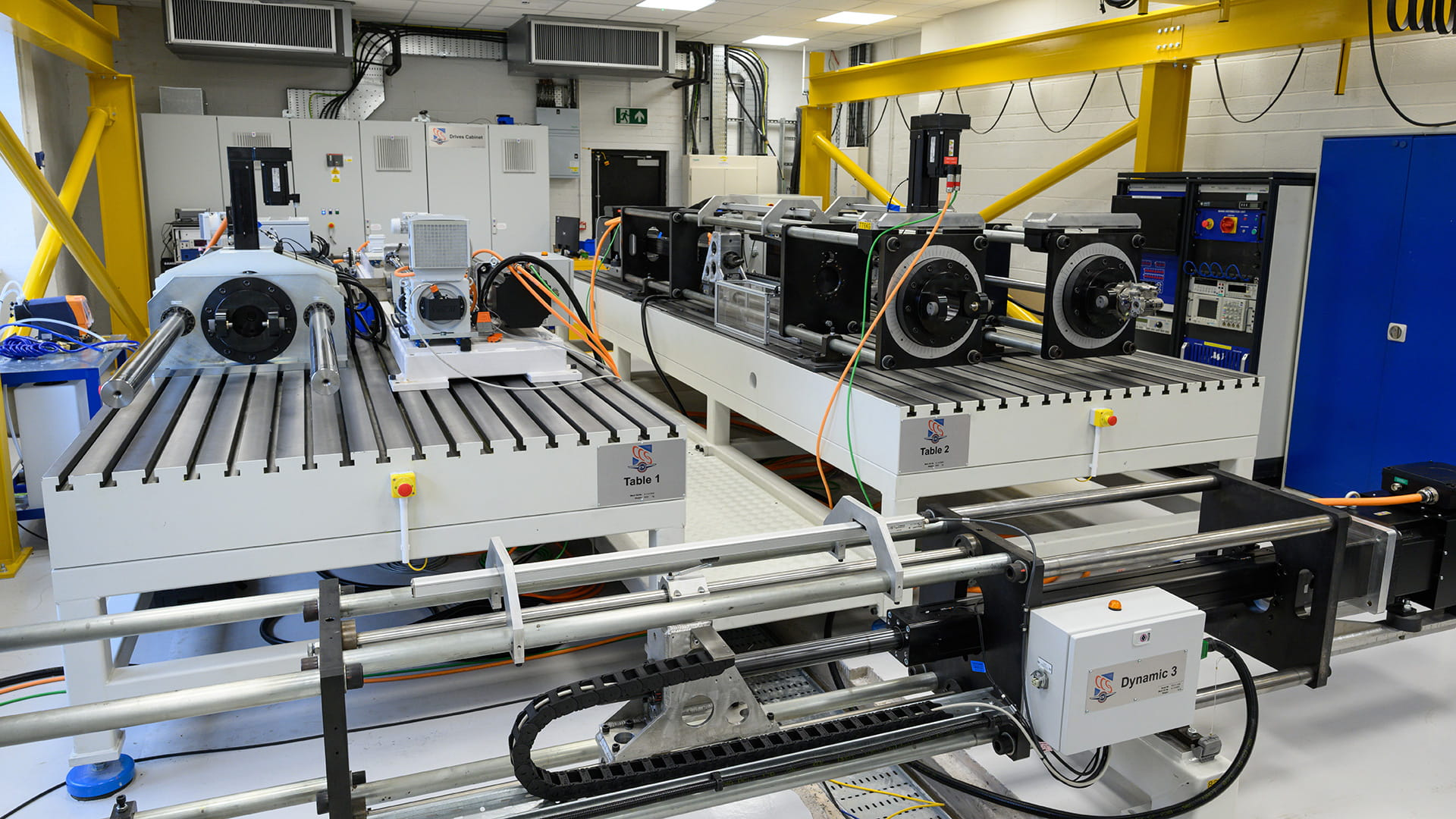
Collins Aerospace has opened a dedicated electric actuation test facility at its Wolverhampton Engineering Centre of Excellence, expanding the UK site’s role in developing and certifying next-generation aircraft systems.
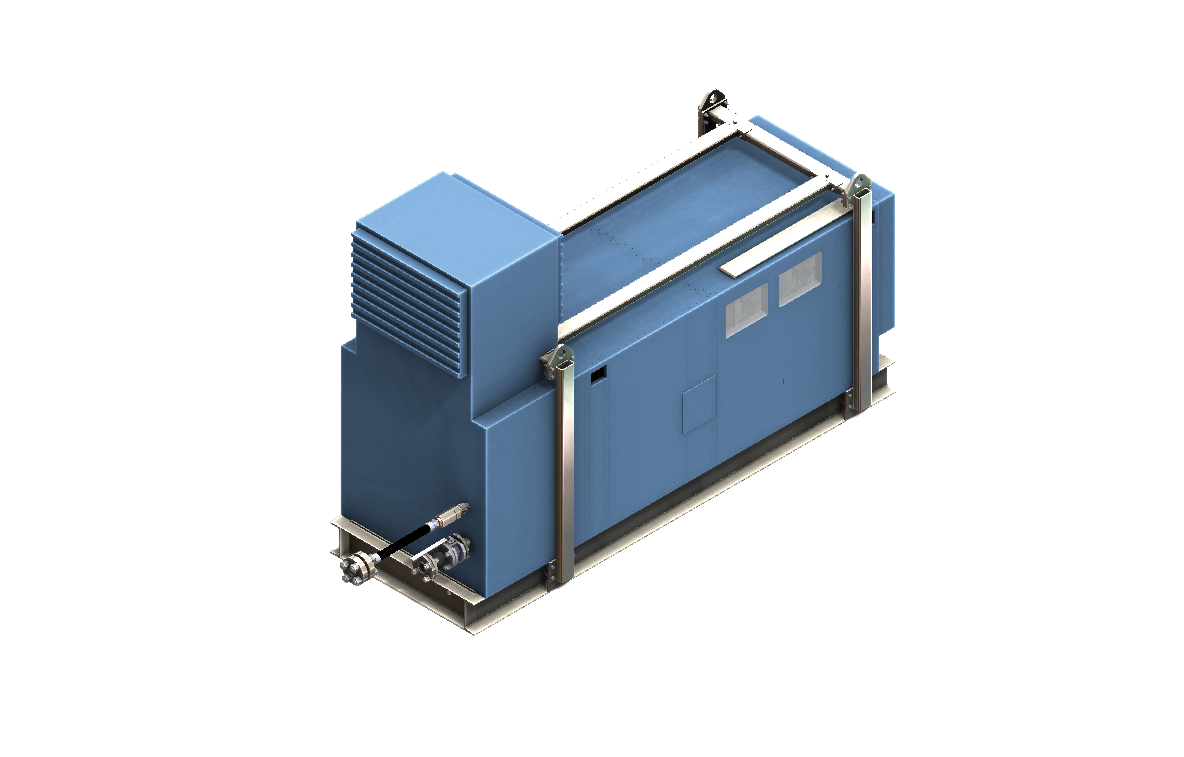
Built around a modular testing architecture, the facility will support the company’s electrically actuated thrust reverser technology, known as elecTRAS. Engineers can examine individual components, complete actuators, subsystems, and integrated assemblies under conditions intended to reproduce the mechanical, electrical, and environmental loads encountered during aircraft operation.
Rather than creating a separate rig for every development programme, Collins has designed the infrastructure so that equipment, instrumentation, and test arrangements can be reconfigured as aircraft requirements change. The same installation can therefore support early component validation, system integration, endurance work, and the evidence gathering required during certification.
Electric actuation replaces the hydraulic connections and fluid systems traditionally used to deploy and stow a thrust reverser. Collins estimates that elecTRAS can reduce nacelle actuation system weight by between 15% and 20% at aircraft level, while removing some of the pipework, valves, and maintenance requirements associated with hydraulic equipment.
The technology is already established on the Airbus A350, with elecTRAS equipment operating on more than 700 aircraft. Wolverhampton will support the continuing development of that architecture and its adaptation for future platforms with different nacelle layouts, electrical systems, control requirements, and thrust levels.
Thrust reverser actuation remains a demanding aerospace application despite its relatively short periods of operation. The system must deploy reliably after landing, tolerate vibration and temperature variation, remain safely locked throughout flight, and continue to perform after years of exposure to moisture, contaminants, and repeated mechanical loading.
Electrical equipment introduces a different combination of design requirements from a hydraulic system. Motors, power electronics, position sensors, control software, mechanical transmissions, thermal management, and fault detection must operate as a coordinated assembly, while electromagnetic compatibility and electrical protection have to be demonstrated alongside conventional structural performance.
Data gathered at component and subsystem level can be incorporated into engineering models before a complete thrust reverser is assembled. That allows design teams to compare predicted and measured behaviour, adjust control strategies, identify thermal or mechanical limits, and investigate failures without waiting for a full aircraft-level test campaign.
Modular test equipment can also shorten the interval between successive development stages. When fixtures, load systems, control cabinets, and instrumentation are reusable, engineers can move from one configuration to another without commissioning an entirely new installation, although every formal test still requires controlled procedures, repeatable conditions, and documented calibration.
Aircraft manufacturers are progressively moving suitable functions away from central hydraulic systems as electrical generation, distribution, and control capability improves. Braking, environmental control, engine accessories, landing gear functions, and flight control actuation are among the systems being examined within the wider transition towards more electric aircraft.
Replacing hydraulic power is rarely a direct component substitution. Removing pipes and fluid may reduce weight in one area, but power conversion, wiring, cooling, protection, and redundancy can add mass elsewhere, making system-level testing essential before an architecture can demonstrate a net aircraft benefit.
Certification places further emphasis on fault behaviour. An electric actuator has to respond predictably to interrupted power, sensor failures, control errors, mechanical obstruction, and overheating, while the aircraft must be able to identify its state and prevent an unsafe deployment sequence.
Specialised facilities consequently form an increasing share of aerospace investment, alongside the factories that forge, machine, assemble, and overhaul physical hardware. Suppliers need laboratories and integration centres capable of proving software-controlled systems whose performance cannot be assessed through dimensional inspection alone.
Collins is expanding both forms of capacity across Europe. A $69 million investment in landing gear production at Tajęcina in Poland is expected to increase output by approximately 25% and create around 190 jobs, while Wolverhampton is adding the test infrastructure required before future systems enter series manufacture.
The two investments reflect the changing composition of the aerospace supply base. Production growth still depends on machinery, materials, trained personnel, and controlled assembly processes, but programme delivery increasingly relies on software validation, electrical integration, data analysis, and reusable test capability.
A flexible test centre also reduces the risk of committing expensive infrastructure to a single aircraft programme before future volumes are known. Equipment can be retained and adapted as specifications evolve, allowing engineering investment to support several platforms over a longer operating life.
Collins will use the Wolverhampton centre to advance elecTRAS and related electric actuation technologies as aircraft manufacturers pursue lower weight, reduced maintenance, and more integrated control architectures. The resulting work will place the UK facility at the intersection of mechanical engineering, power electronics, software, and aircraft certification.