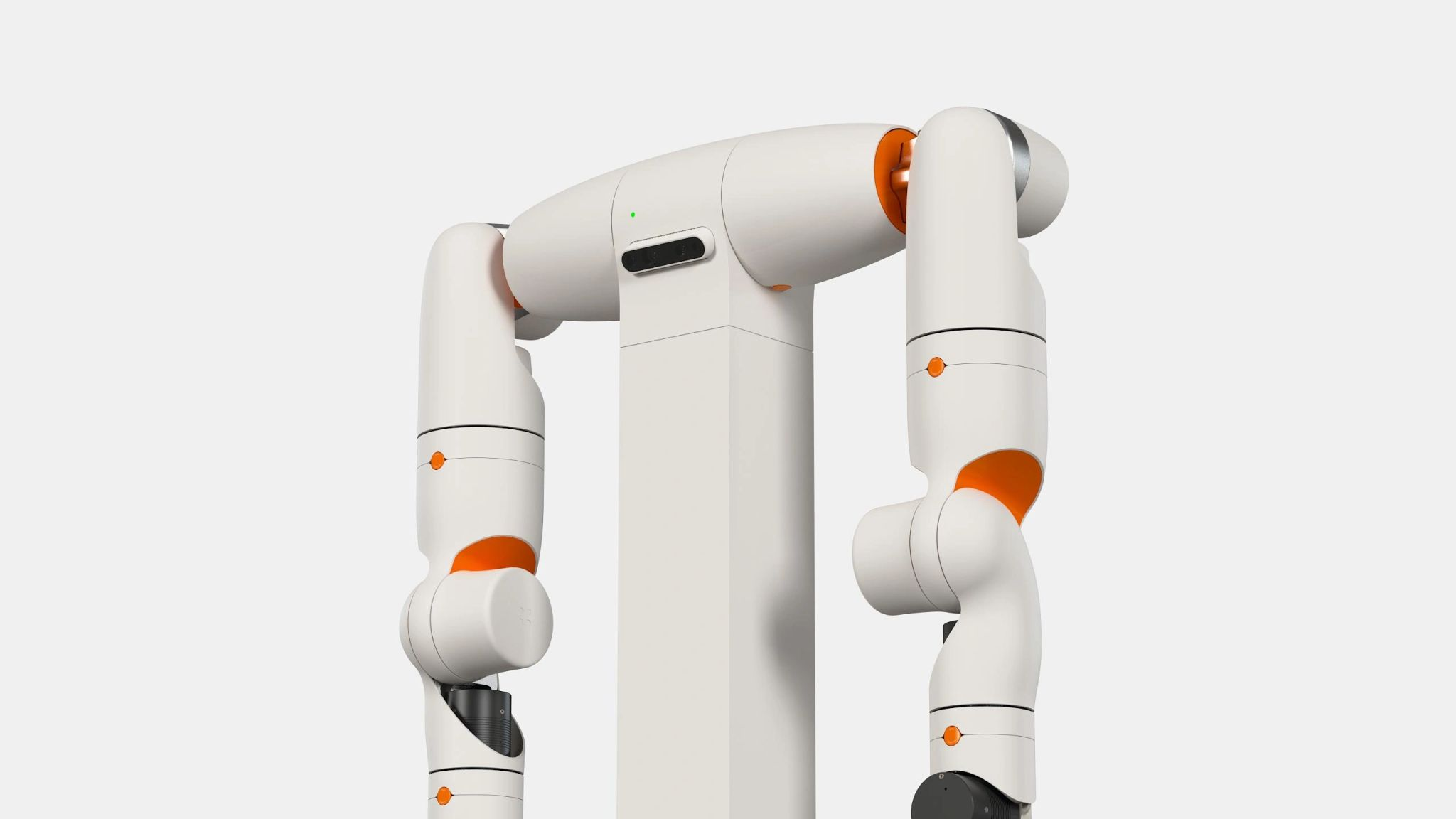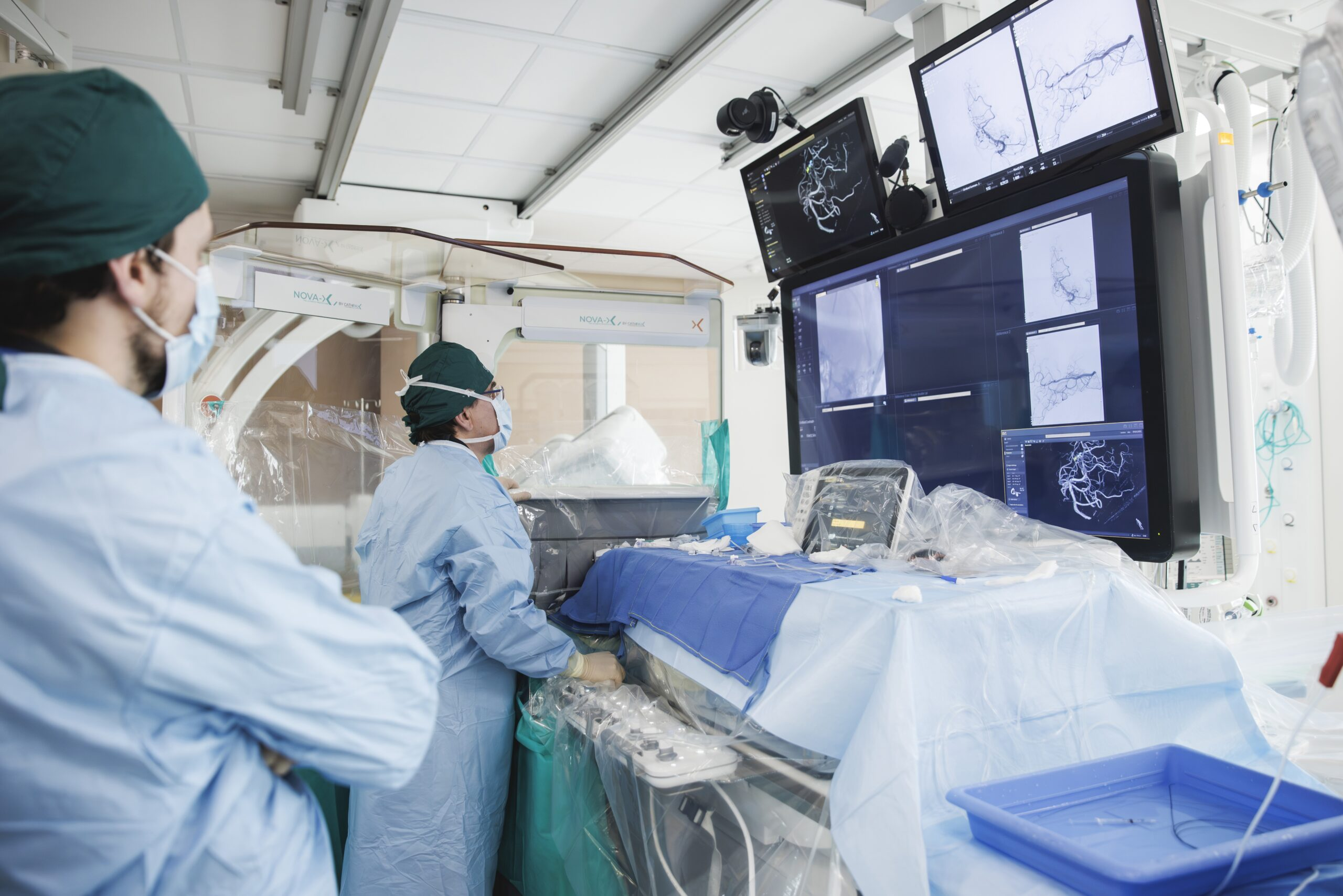
Cathpax has launched its Nova-X radiation protection system commercially across Europe and the Middle East after reporting reduced operator X-ray exposure in the NOVARAD clinical study.
The Nantes-based company, a spin-off from nuclear radiation protection specialist Lemer Pax, develops full-body, team-wide radiation protection systems for interventional medical teams. Nova-X is designed for cath lab environments where clinicians perform image-guided procedures under repeated X-ray exposure.
Conventional protection in interventional medicine typically combines lead aprons, thyroid shields, glasses, and fixed or mobile barriers. Those systems reduce exposure but can still leave parts of the body exposed, while lead garments add weight during long and technically demanding procedures.
Cathpax said it has signed distribution contracts in Poland with Model Medical and in the DACH region with MedUnity. Systems have also been delivered to centres including Bonn University Hospital in Germany and Santo António Hospital in Porto, Portugal.
The NOVARAD multicentre, two-arm prospective clinical study assessed X-ray exposure in interventional neuroradiology. According to Cathpax, use of Nova-X reduced the main operator’s average dose to 1.0 µSv per procedure, compared with 11.1 µSv using conventional radiation protection equipment.
Measured reductions were also reported across specific anatomical areas, with average doses 11 times lower for the head, 11 times lower for the arms, and 38 times lower for the feet than under a conventional approach. Some equipped centres have authorised clinicians to operate without lead aprons, with staff reporting reduced fatigue and stress during procedures.
“The NOVARAD clinical study has shown the full potential of our new radiation protection system, boasting a performance currently without equivalent on the market. A procedure using Nova-X is equivalent to the general public’s exposure to natural radioactivity for approximately 8 hours, or a third of a passenger’s exposure on a flight from London to Paris. This product reflects our extensive know-how and expertise in the design and production of innovative radioactive protection technologies and equipment. I am extremely proud of the many benefits it brings to interventional physicians and indirectly to patients,” said Pierre-Marie Lemer, president at Cathpax.
Radiation exposure remains a persistent occupational issue in catheterisation laboratories because minimally invasive procedures depend on real-time imaging. As procedure volumes rise and interventional techniques become more complex, protection systems are being judged on dose reduction, ergonomics, workflow compatibility, and whole-team coverage.
“Since presenting our clinical results, we have received many expressions of interest, and initial feedback has been extremely positive. In a global market with tens of thousands of cath labs performing 40 million procedures a year, our potential for growth is enormous. Our first focus is the European market, and we will look at the US and Asian markets towards the end of 2027,” said Valérie Chevreul, CEO of Cathpax.
Cathpax aims to have 50 Nova-X systems installed in the EMEA region by the end of 2027. Further information is available through the Nova-X product page.