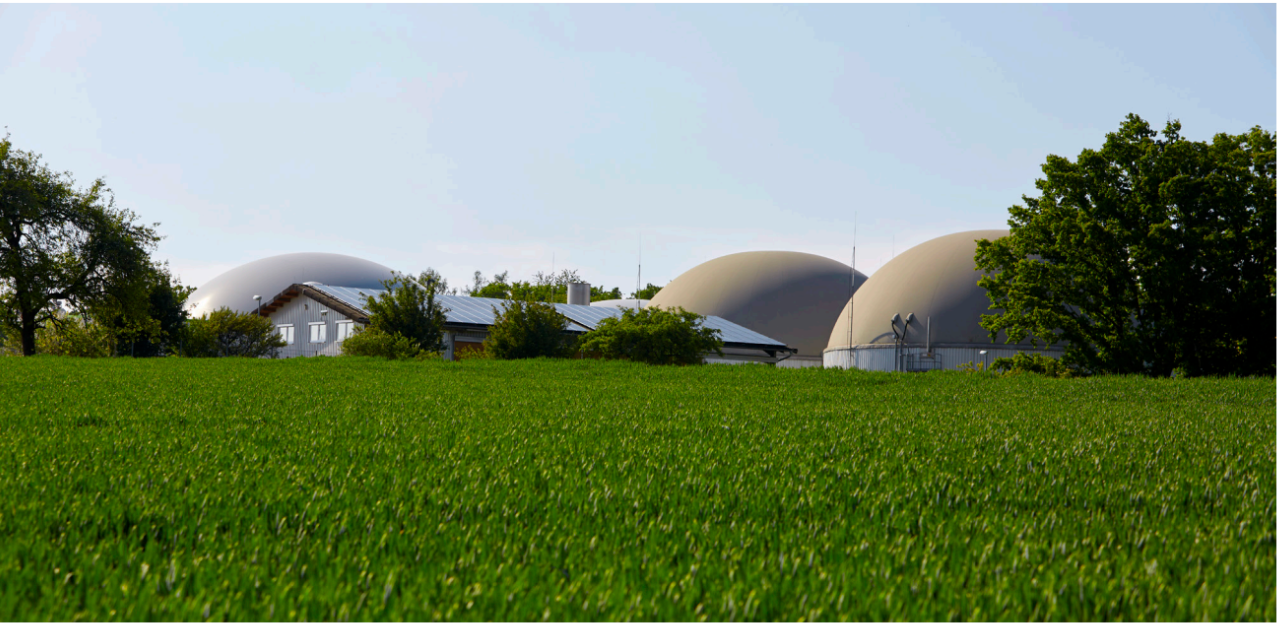
Wangen Pumps has completed a substantial infeed upgrade at the Biomethan Mühlacker plant in Baden-Württemberg, where its BIO-ROXX module is being used to improve substrate preparation and handle tougher biomethane feedstocks. The installation replaces the limits of a dry infeed arrangement with a more controllable liquid-feed concept, giving the plant greater flexibility as raw materials shift towards harder-to-manage residues.
Mühlacker is not a small demonstration site. The plant, commissioned in 2007, processes around 30,000 tonnes of feedstock each year from roughly 120 local suppliers and produces biomethane for injection into the gas grid as well as fertiliser outputs. Its feed mix includes maize silage, grass, cattle manure, and increasingly long-fibre materials such as straw, which raise the risks of contamination, bridging, and inconsistent fermentation when older conveying systems are pushed beyond their design assumptions.
Wangen’s answer was to place two BIO-ROXX modules between solids infeed and the fermenter. The system mixes solid substrate with digestate delivered via progressing cavity pumps, producing a more homogeneous, pumpable mass while actively removing unwanted solids such as stones before the feed reaches downstream equipment. According to Wangen, that improves consistency, protects pumps and agitators, and reduces the formation of floating or sinking layers in the fermenter.
As plants take in a broader mix of agricultural residues and other challenging feedstocks, front-end preparation is becoming a core efficiency issue rather than an afterthought. Operators increasingly want redundancy, lower wear, better methane yield, and more responsive process control, especially where biomethane output is tied closely to grid demand.