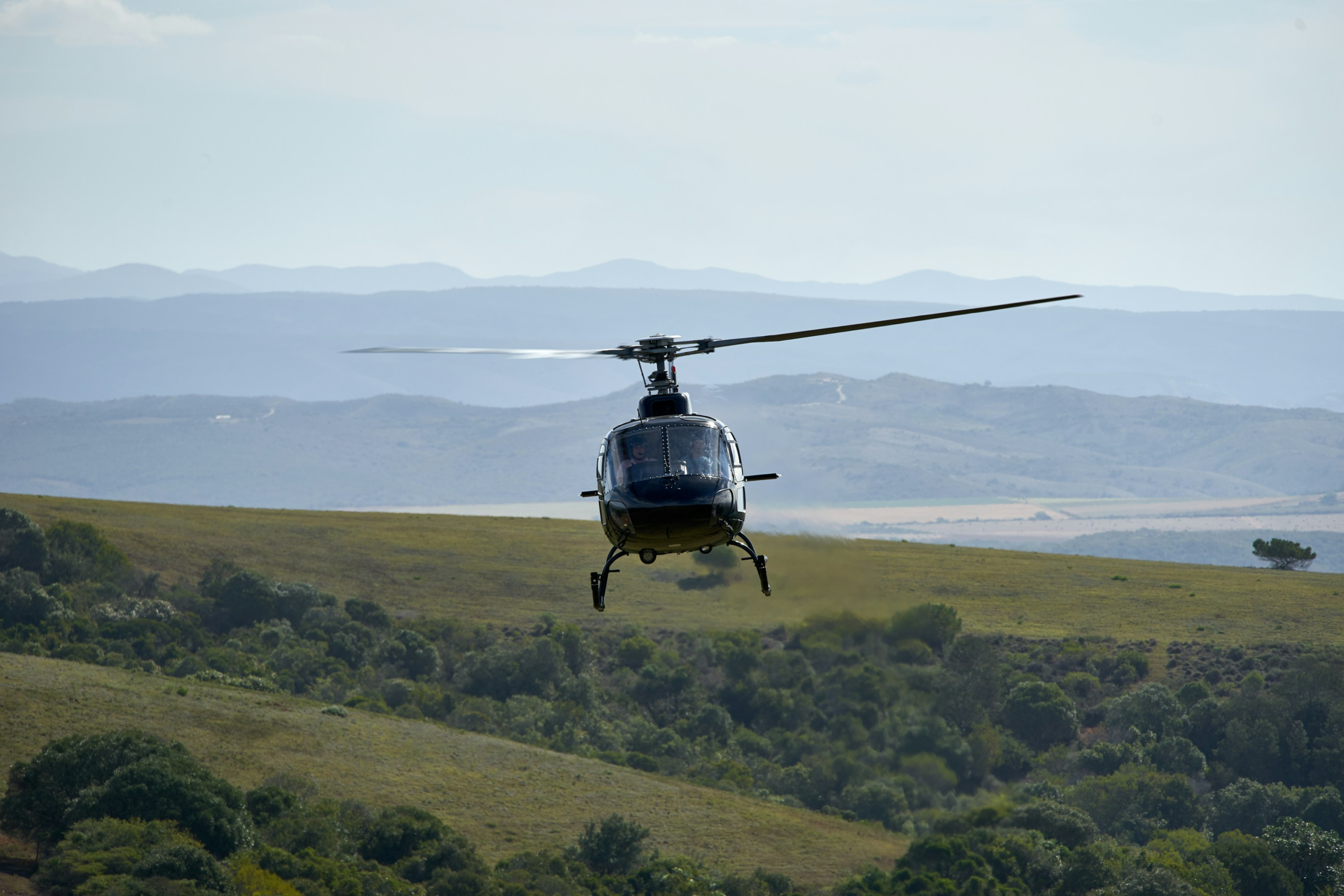
Airbus has introduced the U145, an uncrewed version of its H145 light twin helicopter, with a maiden flight using a safety pilot planned before the end of 2026.
The aircraft is being presented at ILA Berlin as Airbus Helicopters expands its uncrewed and autonomous systems portfolio. Entry into service is expected at the beginning of the next decade, giving the company time to complete flight testing, autonomy validation, mission-system development, and certification work.
The U145 is based on the proven H145 platform, a multi-role helicopter used across emergency medical services, law enforcement, search and rescue, offshore operations, passenger transport, and corporate missions. The H145 family has accumulated more than 8.5 million flight hours, giving Airbus a mature airframe and support base from which to develop the uncrewed variant.
The aircraft is not simply a piloted helicopter with the crew removed. Airbus says the U145 will have no physical cockpit and will include cargo-specific adaptations, including an integrated nose door with a foldable loading table and a dedicated cargo floor. A specialised sensor suite and artificial intelligence will support full autonomy.
Airbus is positioning the aircraft for civil and military roles, including logistics, cargo movement, surveillance, emergency support, and air-launched effects. In military use, an uncrewed helicopter of this size could support resupply, reconnaissance, battlefield logistics, and missions where crewed rotary-wing aircraft would face higher risk.
The U145 follows the VSR700, Airbus’s uncrewed system derived from the Cabri G2, making it the second crewed helicopter platform the company has converted into an uncrewed version. The strategy allows Airbus to build autonomy around an existing aircraft family rather than starting from a blank-sheet design.
That approach carries clear industrial advantages. A proven platform brings established aerodynamics, manufacturing knowledge, supply chains, maintenance practices, and customer familiarity. It can reduce some development risk and shorten the route from demonstrator to operational system, although autonomy, flight safety, command and control, mission integration, and certification remain demanding workstreams.
Autonomy is moving deeper into aerospace and defence. Uncrewed systems are no longer confined to small drones or experimental programmes. Defence forces are looking at autonomous and uncrewed aircraft for logistics, maritime surveillance, electronic warfare, persistent sensing, crewed-uncrewed teaming, and reduced-risk operations in contested environments.
Rotorcraft bring a different challenge from fixed-wing systems. They have to handle hover, vertical lift, confined landing sites, complex airflows, obstacle-rich environments, and demanding mission profiles. Turning a helicopter platform into a safe and useful autonomous aircraft requires more than remote control. It demands robust sensing, flight management, contingency logic, secure communications, reliable ground control, and maintenance concepts suited to operational deployment.
For defence logistics, the concept is particularly strong. Modern operations have highlighted the vulnerability of supply routes, forward positions, and exposed aircraft missions. An autonomous helicopter able to move cargo without crew exposure could reduce risk in contested or degraded environments. The absence of a cockpit also allows more of the aircraft volume to be configured around payload and mission equipment.
Civil use cases may develop more gradually, but emergency response, offshore support, disaster relief, infrastructure monitoring, and remote logistics all contain missions where endurance, availability, and operating cost are important. Regulation will shape the pace of adoption, especially in shared airspace, but the engineering direction is clear. Autonomy is becoming part of serious rotorcraft development rather than a separate experimental category.
The industrial test will be integration. Autonomous aircraft require airframe modification, software assurance, sensor fusion, cyber security, communications resilience, flight-control validation, mission planning tools, ground infrastructure, maintenance diagnostics, and regulator confidence. Each of those areas draws on specialist supply chains and engineering skills.
The U145 therefore marks a practical route into larger autonomous rotorcraft. By using a mature helicopter platform as the basis for uncrewed logistics and multi-mission operations, Airbus is trying to reduce development risk while extending rotary-wing capability into areas where crew availability, operating cost, and exposure to danger are becoming more difficult to accept.