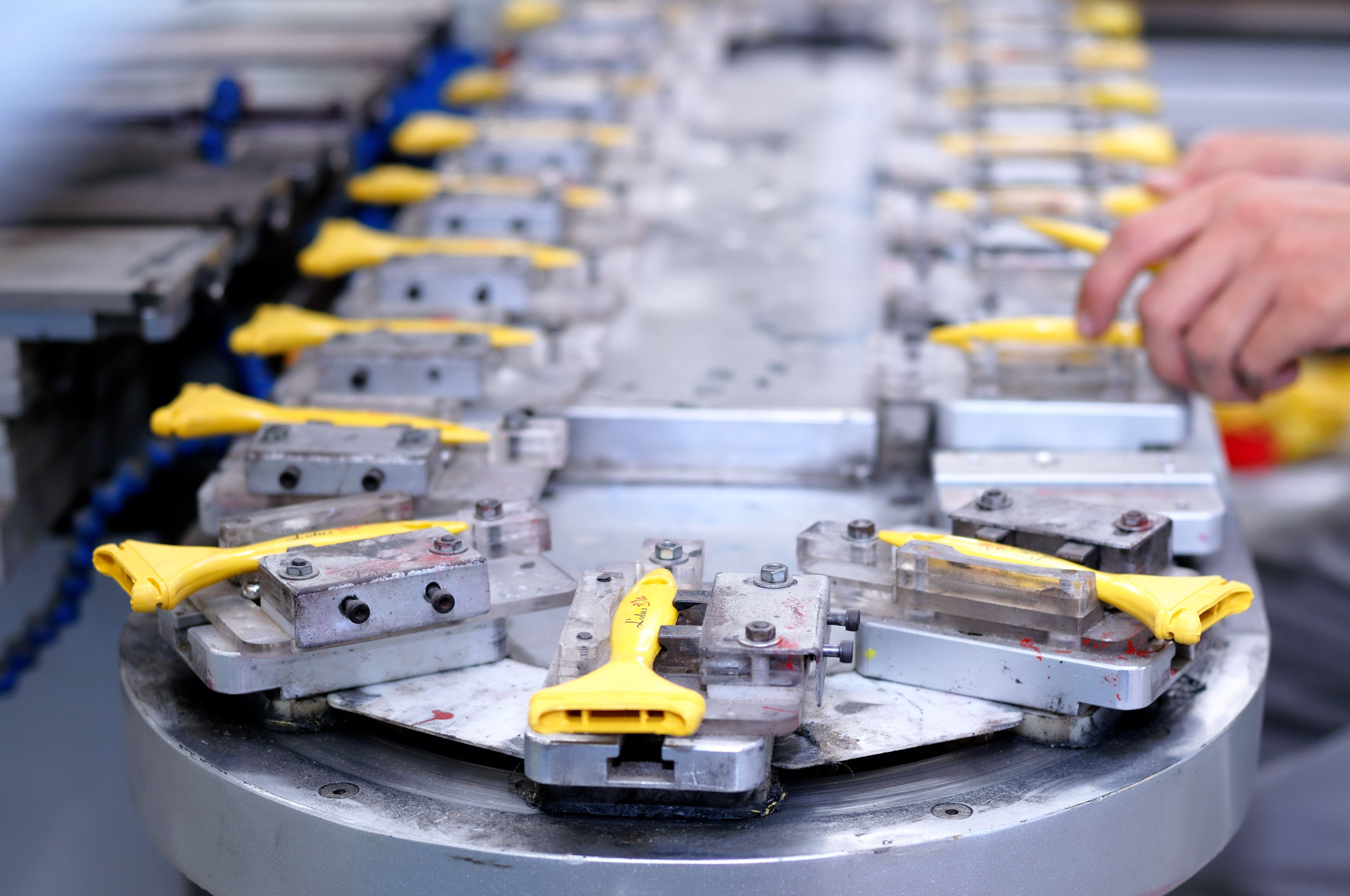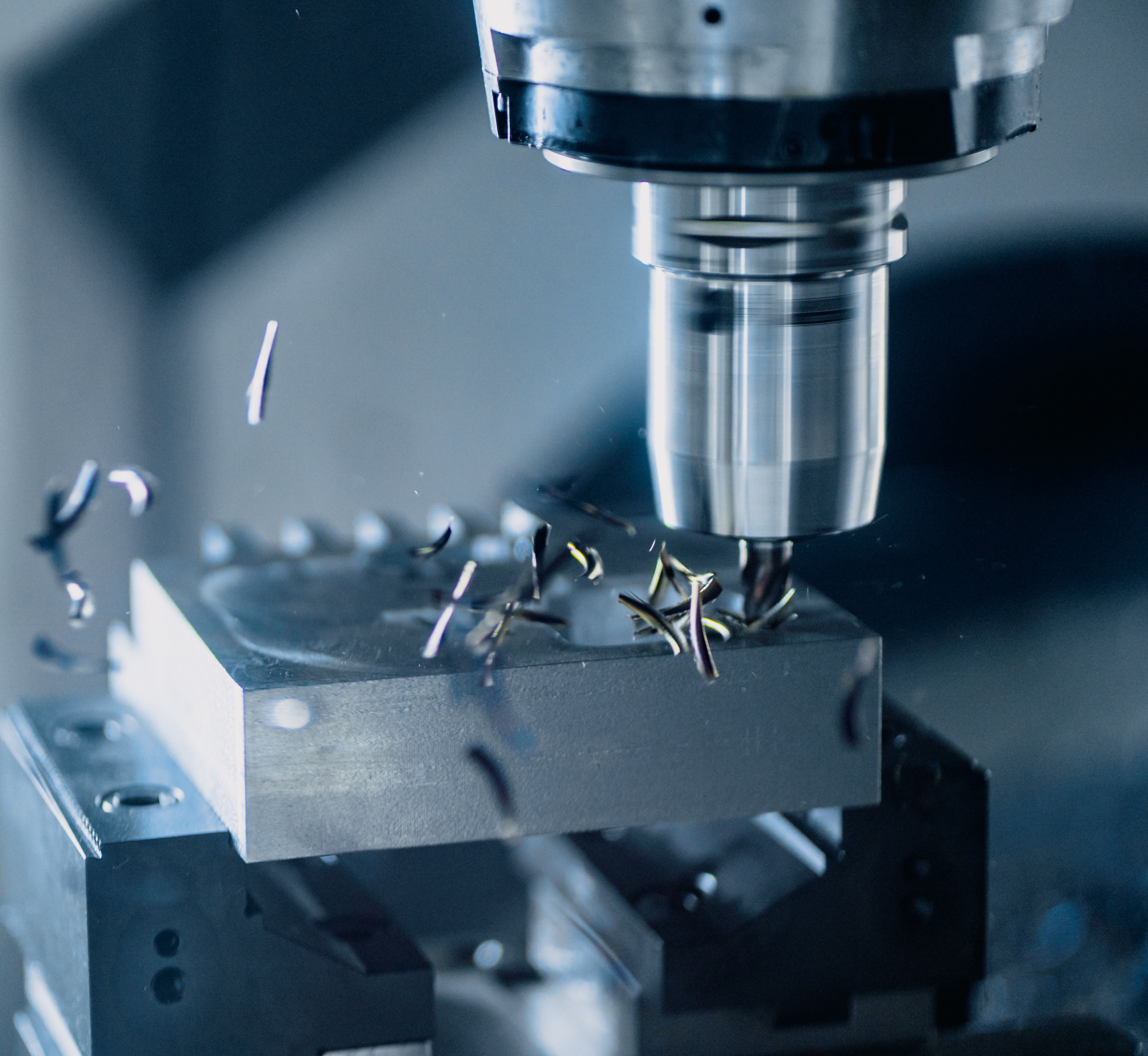
German manufacturer Booster Precision Components has selected Rockwell Automation's Plex Elastic manufacturing execution system (MES) for its Schwanewede facility near Bremen, extending its digital manufacturing programme into production and quality management. The project will incorporate Plex MES and quality management capabilities alongside the plant's existing SAP enterprise software.
The facility manufactures compressor wheels and vane plates for turbochargers, alongside fuel cell components, scrolls and hydraulic components. Booster's published facility information lists approximately 250 employees, 128 machines and 8,000 square metres of production space at Schwanewede. The plant forms part of an international production network encompassing Germany, Slovakia, Mexico and China.
Booster’s software selection was confirmed on 25 November. The intended improvements include greater visibility of production activities, component traceability, quality management and operational control, with integration into SAP forming part of the project. The implementation timetable, financial value and precise scope of connections to individual production machines have not been disclosed.
Booster previously worked with SAP consultancy abat to replace legacy business software at Schwanewede and establish a consistent enterprise software environment. The earlier project included migration of existing data, adaptation of a common SAP template and training within the working environment. Abat reported that 99% of the implementation used standard SAP functionality without bespoke development, providing an established enterprise system on which the next phase of digitalisation can build.
Enterprise resource planning (ERP) software and manufacturing execution systems perform different functions within a production organisation. SAP can maintain product, purchasing and order information used to establish production plans. The MES provides a means of managing and recording the execution of those plans within the factory, including the progress of individual manufacturing orders.
Connecting the two systems can allow production orders to be associated with the operations undertaken to fulfil them. Information on completed work, material consumption and production output can then be returned to the enterprise application. The resulting exchange depends on both systems using consistent definitions of orders, materials and completed operations.
Compressor wheel production illustrates the kind of process in which such information can be valuable. A wheel must meet geometrical and dimensional requirements associated with its intended aerodynamic and mechanical performance. Its manufacturing history may encompass several machining operations, changes of tooling and dimensional inspections. If an inspection identifies a deviation, the relevant production information can help engineers investigate which operations, material lots or equipment may have contributed to the problem.
Linking inspection results to production records is particularly useful where multiple machines manufacture similar components. An isolated result does not necessarily establish whether a dimensional discrepancy is associated with an individual component, a particular machine or a change in the production process. The ability to establish which components were manufactured under comparable conditions can help determine the appropriate scope of an investigation.
Plex quality management capabilities are intended to complement the manufacturing execution system at Schwanewede. The relationship between the two systems can allow quality results to be associated with individual production records, supporting traceability and the management of non-conforming material. Specific inspection interfaces and data collection methods will depend on the implementation selected for the plant.
Introducing the software across an established manufacturing environment requires consistent identification of parts, machines and manufacturing operations. Component revisions and the acceptance criteria applied during inspection must be associated with the appropriate production order. If the enterprise application and the factory system use different versions of these records, their exchange may create discrepancies rather than resolve them.
Equipment interfaces will also need to account for differences in the information available from existing machinery. Some machines can provide operating and production information directly through digital interfaces; others may require additional collection equipment or input from operators. A consistent method of recording production events is necessary if the resulting information is to be compared across different equipment configurations.
The project comes as Booster's holding company continues discussions with creditors over the restructuring of its capital structure. A separate regulatory disclosure on 18 November confirmed the postponement of bond interest and repayment during those discussions. Neither that disclosure nor the MES selection establishes a connection between the restructuring proceedings and the scope or timing of the manufacturing software project.
The announced implementation relates specifically to Schwanewede. Booster has not confirmed an equivalent MES deployment at its other plants, although its previous SAP work established a common enterprise software environment across its logistics sites. Integrating factory information at Schwanewede will provide the company with an opportunity to evaluate how the manufacturing execution and quality management systems perform alongside that environment before considering any further deployment.