Covestro has opened an additional polyester resin production line at its Meppen manufacturing site in Germany, completing a multi-year investment that increases chemical production capacity and modernises filling and heat recovery equipment.
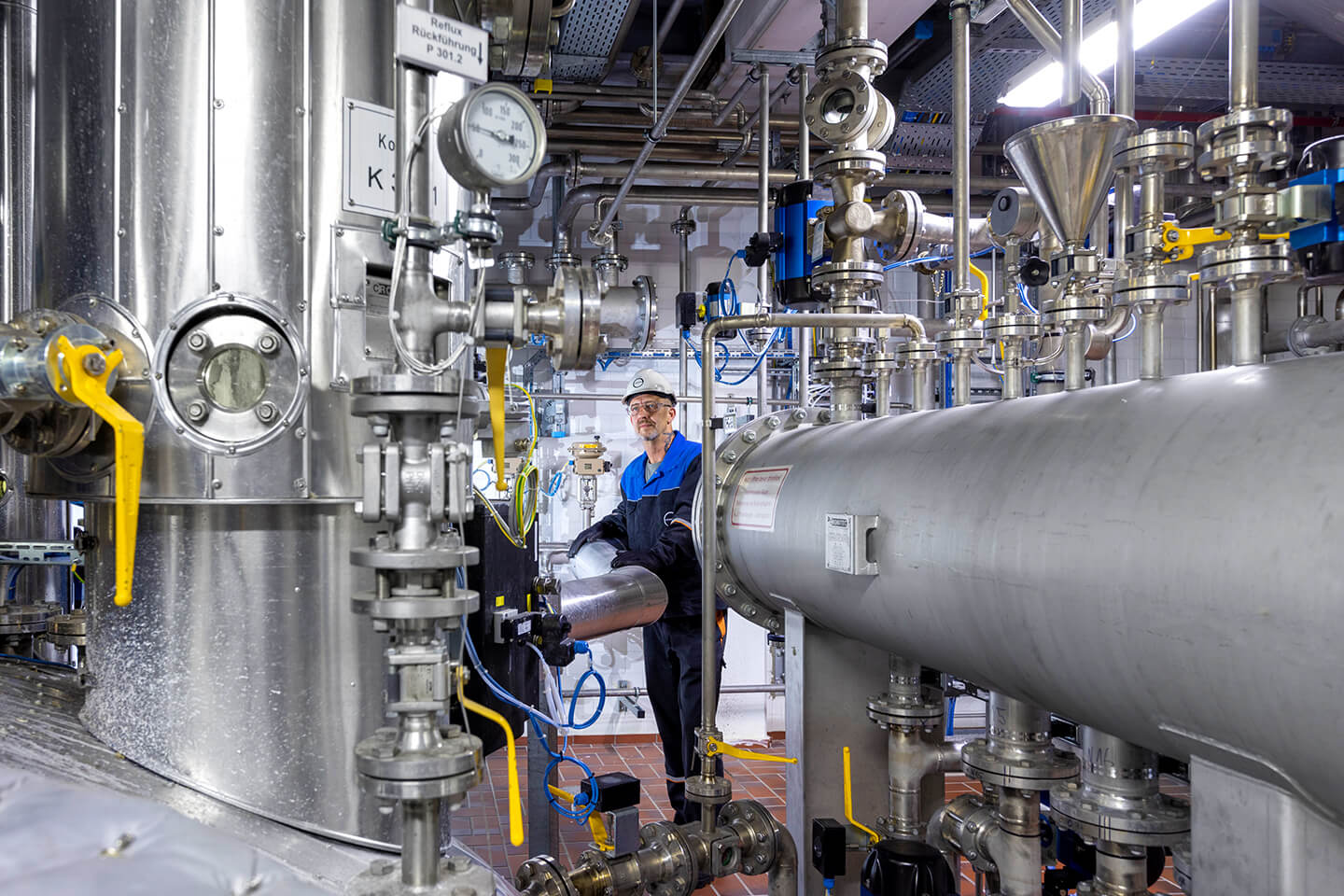
The new line was inaugurated on 3 November, with Covestro confirming the development the following day. It adds a reactor capable of manufacturing several resin chemistries and provides additional production capacity in the double-digit kilotonne range.
The company describes the expenditure as a multi-million-euro investment but has not disclosed an exact amount. It has also not specified the additional production capacity allocated to individual resin products.
The expansion has been integrated into Meppen’s existing Good Manufacturing Practice (GMP)-compliant infrastructure, which supports production requirements associated with materials used in food-contact applications.
The new reactor can manufacture high-molecular-weight and standard polyester grades, alkyds and acrylic resins, together with intermediate products used in polyurethane dispersions.
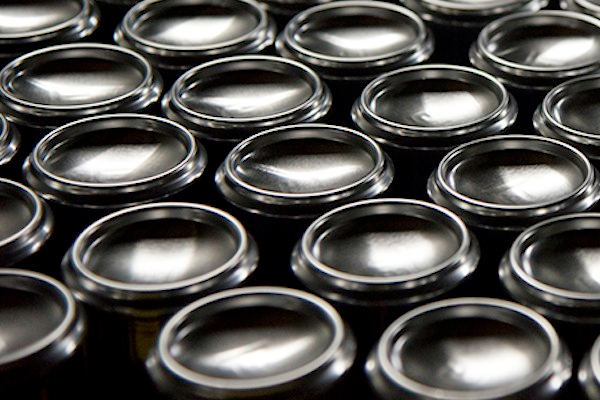
These materials serve customers producing coatings for beverage cans, coil-coated metal, industrial surfaces and other applications, as well as certain adhesive formulations.
Covestro markets products within the relevant portfolio under brands including Uralac, Uradil, Hybrane and NeoRez. Their manufacturing requirements differ according to the chemistry, formulation and properties specified by customers.
The Meppen investment responds to demand for specialist resins from European manufacturers, particularly where coatings must meet defined product quality and regulatory requirements.
Dr Andrea Maier-Richter, head of Covestro’s Coatings & Adhesives business entity, said: “Customers rely on reliable supply and consistent quality.”
She said the expansion would increase the availability of polyester resins manufactured in Europe and provide customers with greater flexibility in developing products for technically demanding applications.
Resins form the polymeric component of many industrial coatings. Their chemical structure and physical properties influence how a coating can be formulated, applied and converted into a finished protective or decorative film.
Polyester resins are produced through controlled chemical reactions that form polymer chains containing ester linkages. The starting materials, reaction conditions and molecular characteristics influence the properties of the resulting resin.
Manufacturers can develop grades with different molecular weights and characteristics to meet particular processing and product requirements. These may include viscosity, film formation, mechanical behaviour and compatibility with other ingredients in a coating formulation.
Alkyd and acrylic resin systems provide additional formulation options. Their suitability depends on the desired end-use properties and the manufacturing process through which the coating will be applied.
Producing several resin chemistries on one reactor line requires control of feedstocks, processing conditions and the transition between manufacturing campaigns.
Reaction temperature, mixing, product composition and other operating parameters must be managed in accordance with the process used for each material.
Changes between products can also require cleaning, inspection and adjustments to the equipment. A reactor’s ability to manufacture multiple chemistries therefore provides scheduling flexibility, but it does not eliminate the technical requirements associated with product changeovers.
The new equipment has been installed within a site that already manufactures polyester, alkyd, acrylate and polyurethane dispersion products. Existing manufacturing experience and infrastructure provide a basis for integrating the additional production line.
GMP-compliant production is particularly relevant where materials are intended for use in food-contact applications. Controlled processes, documentation and quality systems support the consistent manufacture of products against defined specifications.
Food-contact suitability nevertheless depends on the particular resin, the finished coating or material, its intended application and the relevant regulatory requirements. The presence of GMP-compliant infrastructure does not establish that every product made at Meppen is suitable for all forms of food contact.
Covestro has also upgraded the equipment used to transfer and package finished products. The project includes a new truck filling system and a fully automated drum filling line.
These installations support the movement of manufactured resins from production into storage, packaging and dispatch. Filling equipment must deliver the required quantities while maintaining the handling conditions and product specifications appropriate to the material.
Automated filling can provide repeatable operating sequences and reduce some manual interventions, depending on the equipment and its configuration. Covestro has not disclosed the filling rate of the new installation or a measured reduction in labour requirements.
The capacity of downstream handling equipment is important when a production line is expanded. Additional reactor output may not translate into a corresponding increase in finished-product deliveries if filling, storage or loading operations are unable to accommodate the volume.
Integrating the filling upgrades with the new reactor allows Covestro to address these associated handling requirements as part of the same investment programme.
The Meppen project also includes a heat recovery installation designed to make use of thermal energy generated or released during production.
Chemical manufacturing commonly involves stages in which process materials must be heated or cooled. Where a suitable temperature difference and operating arrangement exist, heat can be transferred from one part of a process to another rather than being discarded.
Recovering useful process heat can reduce the need for additional heating energy. The overall benefit depends on the temperatures, flow rates, timing and other characteristics of the available heat sources and the processes that can use the recovered energy.
Covestro says the new installation improves energy efficiency, but it has not published a quantified reduction in fuel consumption, electricity use or emissions associated with the Meppen project.
The investment therefore combines three related manufacturing developments: an increase in reaction capacity, modernisation of material handling and improved use of process heat.
Meppen has been producing industrial chemicals since 1956. The operation became part of Covestro in 2021 through the acquisition of the Resins & Functional Materials business from Royal DSM.
More than 100 people, including apprentices, work at the facility. Covestro is filling additional positions in production, filling and shipping in response to increased demand.
The company has not provided a numerical employment target for the expansion. The recruitment activity is associated with the growing requirements of the Meppen operation, rather than a separately announced programme to establish another manufacturing site.
Dr André Rittermeier, site manager at Meppen, said the project would strengthen the existing production operation through additional equipment and upgraded facilities.
European coating formulators are continuing to adapt their products to customer specifications and regulatory changes, including requirements associated with packaging materials and industrial surface protection.
For a resin supplier, serving these markets involves maintaining consistent material properties while offering product grades suitable for different applications. Manufacturing capacity, technical flexibility and product assurance all influence the ability to support those requirements.
The new reactor is intended to give Covestro additional flexibility in allocating production across the resin chemistries manufactured at Meppen, while its upgraded filling systems support the subsequent handling and dispatch of finished material.
Covestro has completed the main investment programme and inaugurated the new production line. Further output will depend on manufacturing schedules, customer orders and the operation of the added equipment, with recruitment continuing to support demand at the site.